


China Tourist Scams 2026: The Real Ones and How to Avoid Them2026 中国旅游骗局:真实套路与防范方法
5 Key Takeaways5 个关键要点
- Scams in China are predictable and easy to dodge once you know the script.中国的骗局有迹可循,识破套路后很容易避开。
- The two most reported are taxi touts and the "tea ceremony" setup.最常见的两类是出租车拉客和"茶艺"套路。
- Stay in busy public places; scams need you alone and off-balance with a stranger.待在热闹的公共场所;骗局需要你落单、与陌生人处于弱势。
- Use official apps (maps, DiDi, ticket platforms) instead of a stranger's "help."用官方 App(地图、滴滴、购票平台)而非陌生人的"帮忙"。
- Print your emergency card (police 110, embassy) before you fly.出发前打印紧急联系卡(报警 110、使馆电话)。
1 The quick answer (save this) 快速结论(收藏这条)
Short answer: scams do happen in China, but they're predictable and easy to dodge. The few that actually catch tourists — taxi touts, the "tea ceremony," overpriced shopping — all rely on you being lost or polite in a quiet spot. Stay in busy public areas, use official apps, and you'll almost certainly be fine.简而言之:中国确实有骗局,但它们有规律可循,也很容易避开。真正能骗到游客的几种——黑车拉客、"茶艺"套路、高价购物——都利用你在僻静处迷路或碍于情面。待在热闹的公共场所、使用官方 App,基本就没问题。
China is, by most measures, a safe country to travel in, and millions of visitors have an uneventful trip every year. But "safe" doesn't mean "scam-proof," and the stories that stick are where a friendly stranger turned into a bill. This guide hands you the script, so the next time someone tries the routine, you recognize it in ten seconds and walk on.从多数标准看,中国是个安全的旅行国家,每年数百万游客都平安往返。但"安全"不等于"绝无骗局",让人印象最深的往往是那个热心的陌生人最后变成了一张账单。本指南把套路交给你,下次有人使这招,你十秒内就能识破并走开。
Here's a real one we heard from a reader. In spring 2026 she was approached outside Nanjing's Confucius Temple by two "students" who wanted to practice English, then steered her to a nearby teahouse for a tasting. The bill came to ¥1,280. She paid, then found the exact same teas online for under ¥120. Nothing violent, just a smooth, scripted setup that works because the victim is alone and off-balance.这是我们从一位读者那里听来的真实案例。2026 年春天,在南京夫子庙外,两名"学生"主动搭话想练英语,随后把她带到了附近一家茶馆品茶。账单高达 1280 元。她付了钱,之后发现网上同款茶叶不到 120 元。没有暴力,只是一次顺畅、有剧本的安排,之所以奏效,是因为受害者落单且措手不及。
Two free tools do a lot of the heavy lifting before you even land: the Emergency Card and the pre-trip checklist, both in our free toolkit. Mount the Emergency Card below and keep it in your phone.出发前,有两个免费工具能帮上大忙:紧急联系卡和出行前清单,都在我们的免费工具箱里。把下方的紧急联系卡挂上,保存在手机里。
- Print or save your Emergency Card — keep police (110), ambulance (120) and your embassy line on one card.打印或保存你的紧急联系卡——把报警(110)、急救(120)和使馆电话集中在一张卡上。
- Browse our Free Tools for the pre-trip checklist, taxi fare estimator and other arrival calculators.在我们的免费工具里查看出行前清单、打车估价器和其它抵达计算器。
For the full arrival-and-stay plan in one printable, offline-ready kit, our China Travel Essentials 2026 guide bundles safety, connectivity and payments into a single checklist you can follow with no signal.想要一整套可打印、离线可用的抵达与停留方案?我们的《2026 中国旅行必备》指南把安全、联网和支付打包成一份无需信号也能照做的清单。
If you want the wider arrival picture, start with our first 24 hours in China plan, and our first-timer etiquette guide for the everyday manners that also keep you clear of trouble.想了解更全面的抵达安排,先从我们的中国最初 24 小时计划看起;关于日常礼仪、同样能帮你避坑的,参见新手礼仪指南。
Taxi touts & "tea ceremony"黑车拉客与"茶艺"
The two most reported. Both start with a friendly stranger and end in a bill. Keep meetings in public and never follow someone private.被举报最多的两类。都从"热心陌生人"开始,以账单收场。见面留在公共场所,绝不要跟人去私密地点。
Shopping & ticket tricks购物与票务陷阱
"Factory outlets," "closed today" redirects, gate-side "discount" tickets. Buy only from official counters or known apps."工厂直销""今日闭馆"带路、门口"打折"票。只从官方柜台或知名 App 购买。
Genuine kindness真心善意
Most "can I help / photo?" offers are real. Keep your phone, wallet and passport in hand, and you're fine.多数"需要帮忙/合照吗?"是真心善意。手机、钱包、护照握在手里,就没问题。
The through-line is simple: scams need a moment where you're off-balance and alone with a stranger. Stay in a crowd, use official apps, and most routines collapse instantly. Print your emergency numbers so you're never fumbling:贯穿其中的逻辑很简单:骗局需要你与陌生人独处、处于弱势的那一刻。待在人群里、用官方 App,多数套路会当场失效。把紧急电话打印好,慌乱时不用到处翻找:
2 The scams that actually catch people 真正能骗到人的骗局
None of these are new, and that's the point — they keep working because first-timers don't expect them. Here's the script for each, and the fix that collapses it.这些都不新鲜,而这正是关键——它们之所以屡试不爽,是因为新手没防备。下面逐个给出套路,以及能让它当场失效的破解法。
Taxi & airport "private car"出租车与机场"私家车"
At the airport or a station, someone approaches: "Taxi? Private car? Cheap!" The rate is inflated and often negotiable, and sometimes the car isn't licensed. The cure is boring and foolproof: walk to the official, staffed taxi rank inside the terminal, or open DiDi and follow the app to the ride-hailing pickup zone. Our airport transfer guide walks the whole thing, including the pickup zones at Beijing, Shanghai and Guangzhou. For train travel, the same rule applies: buy from the official high-speed rail guide, never from a "helper" who finds you at the station.在机场或车站,有人凑上来:"打车吗?私家车?便宜!"价格被抬高、往往还能讲价,有时车还没营运资质。破解法无聊但万无一失:走到航站楼内官方、有工作人员的出租车排队处,或打开滴滴、按 App 指引到网约车候车区。我们的机场接送指南讲清了全过程,包括北京、上海、广州的候车区。坐火车同理:只从官方高铁指南买票,别信在车站"帮你"的人。
- Pre-book your airport pickup or a train seat through our partner site我们的合作站点 before you land, so you're not haggling with a tout in the arrivals hall and the fare is fixed in your own currency.落地前通过我们的合作站点提前订好机场接送或火车票,这样你就不必在到达大厅和拉客者讨价还价,车费以你本国货币锁定。
The "tea ceremony" / art-gallery invite"茶艺" / 艺术馆邀约
A chatty local, sometimes claiming to be a student practicing English, becomes your friend, suggests a tea tasting or small gallery, then a shockingly large bill appears. Keep any first meeting in a public place. If someone you just met wants to lead you to a quiet shop, gallery or cafe you didn't pick, smile and keep walking. You're not being rude; you're being smart. The Nanjing reader above walked away from the same pitch a second time once she knew the script.一个健谈的本地人,有时自称是练英语的学生,和你成了"朋友",提议去品茶或小画廊,最后冒出一张天价账单。初次见面务必留在公共场所。如果刚认识的人想带你去一家你没选过的安静店铺、画廊或咖啡馆,微笑着继续走就好。你不是没礼貌,你是在聪明自保。上面那位南京读者识破套路后,第二次遇到同样的说辞就走开了。
Shopping "factory outlets" & tailors购物"工厂直销"与裁缝
Near famous streets, a self-assured local "knows a better place" — a tailor with designer deals or a wholesale outlet. Prices are usually marked up and quality is a gamble. Shop at marked malls or well-reviewed stores, agree the price before any work, and pay through an app you control so the amount is visible. Haggling at markets is normal; pressure is the tell. Our payment guide shows which cards and apps keep the amount on your screen.在著名街道附近,一个自信的本地人"知道更好的地方"——有名牌折扣的裁缝,或是批发直销。价格通常虚高、质量像赌运气。去有标识的商场或口碑好的店铺,动工前先谈定价格,并用自己掌控的 App 付款,让金额看得见。市场里讨价还价是常态;感到被施压就是信号。我们的支付指南说明了哪些卡和 App 能把金额显示在屏幕上。
"The attraction is closed today""景点今天关门了"
A helpful stranger tells you the sight you came for is shut and offers to take you somewhere "better." Check the official site or app yourself. Major attractions are open as listed; a stranger steering you away is a red flag. Buy tickets only at official counters, the venue app, or a known platform like Trip.com.热心的陌生人告诉你心心念念的景点关门了,要带你去"更好"的地方。自己查官方网站或 App。大景点都按公示开放;陌生人把你引开就是危险信号。只在官方柜台、场馆 App 或 Trip.com 这类知名平台买票。
- Buy attraction and train tickets on our partner site我们的合作站点 ahead of time; the price shows in your own currency and is locked before you pay, so a gate-side "discount" tout has nothing to offer.提前在我们的合作站点买好景点票和火车票;价格以你本国货币显示、付款前锁定,门口"打折"拉客者便无计可施。
For flights, hotels and trains booked from home, our foreign-card hotel and flight guide explains which international cards clear Chinese booking sites without a block, so you never have to accept a stranger's "assistance" to get a ticket.想在家订机票、酒店和火车票,我们的外国卡订酒店机票指南说明了哪些国际卡能顺利通过中国订票网站,这样你永远不必接受陌生人的"帮忙"才能拿到票。

3 How the scams work (and why they fail on you) 骗局的运作方式(以及为何对你失效)
Strip any of them down and the mechanism is the same: build quick false trust, then move you somewhere you can't easily compare prices or walk away. Three habits break it every time.剥开任何一种骗局,机制都一样:先快速建立虚假信任,再把你带到无法轻松比价或脱身的地方。三个习惯每次都能破解它。
- Stay in public, busy places. Scammers want a quiet corner. A station concourse, a mall, a lit street kills the routine.待在公共、热闹的场所。骗子想要僻静角落。车站大厅、商场、灯火通亮的街道都能让套路破产。
- Let an app, not a person, be your guide. Maps, ride apps and official ticketing remove the "helpful stranger" the scam depends on.让 App 而非人当你的向导。地图、打车 App 和官方购票去掉了骗局所依赖的"热心陌生人"。
- Never hand over your unlocked phone, wallet or passport. If "help" requires any of those, it's not help.绝不交出未锁屏的手机、钱包或护照。如果"帮忙"需要其中任何一样,那就不是帮忙。
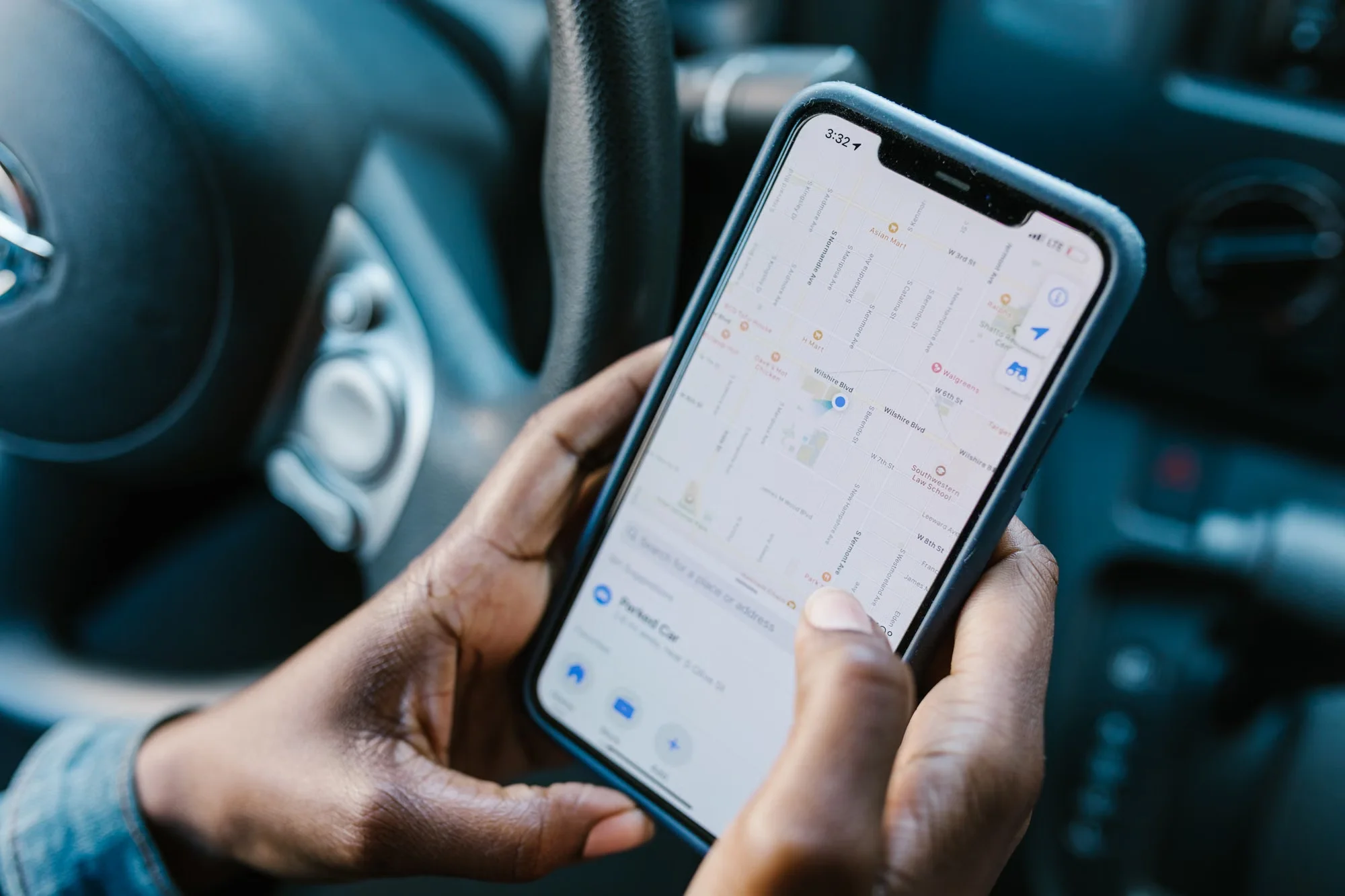
This is also where your prep pays off. If your maps and translation work, you simply don't need a stranger's directions, which is the doorway most scams walk through. Sort connectivity before you fly: our eSIM vs SIM vs roaming guide helps you pick, the eSIM setup walkthrough gets your phone online on landing, and the connectivity overview covers the maps and translation apps that work behind the firewall. And if you're traveling on your own, our first 24 hours plan builds on these same everyday habits.这也是前期准备见效的地方。如果地图和翻译能用,你根本不需要陌生人的指路——而那正是多数骗局登堂入室的门。出发前搞定联网:我们的eSIM / SIM / 漫游对比指南帮你选择,eSIM 设置教程让你落地即可上网,联网总览覆盖防火长城后仍能使用的地图与翻译 App。独自出行的话,最初 24 小时计划正是在这些日常习惯上展开。
4 City-by-city notes 分城市提示
The scripts are the same everywhere; the busy spots differ. A few practical notes by destination:套路各地都一样,热闹的地点各有不同。按目的地给几条实用提示:
- Beijing & Shanghai. Tiananmen-area squares, major stations, and famous shopping streets (Wangfujing, Nanjing Road) see the most "tea ceremony" and "outlet" approaches. Stick to the crowds. Our Beijing first-time itinerary and Shanghai first-time itinerary map the safer ways to move around each hub.北京与上海。天安门一带广场、大车站、著名商业街(王府井、南京路)出现"茶艺"和"直销"搭讪最多。跟着人群走。我们的北京首次行程和上海首次行程标出了在各枢纽更安全的活动路线。
- Guangzhou & Shenzhen, wholesale markets attract "tailor" and "factory" pitches. Buy from marked buildings, not from someone who finds you on the sidewalk.广州与深圳。批发市场常出现"裁缝"和"工厂"说辞。去有标识的大楼里买,别信在人行道上找上你的那个人。
- Any tourist town, the "attraction is closed" line shows up most at the gates of famous sights. Verify on your phone before believing it.任何旅游城镇。"景点关门了"这种说法最常见于名胜大门外。相信之前先在手机上核实。
None of this should stop you enjoying the street life, it just means you keep one eye on the pattern. For getting around the big hubs safely, the airport and city transfer guide covers official taxis and DiDi.这些都不该妨碍你享受市井生活,只是让你对套路多留一只眼。想在大枢纽安全出行,机场与市内接送指南讲了官方出租车和滴滴。
5 If something does happen 万一真的遇上了
Stay calm and step back into a busy, public area first. Then:先保持冷静,退回到热闹、公开的场所。然后:
- Theft, lost cards or threats: call 110 (police) or 12345 (tourism service line). Keep your embassy number handy.失窃、丢卡或受到威胁:拨打 110(报警)或 12345(旅游服务热线)。随时备好使馆电话。
- Money left via a payment app: screenshot the transaction, report it in-app, and tell your bank. You may also flag it to your card issuer if a foreign card was involved.通过支付 App 转出钱:截图交易记录,在 App 内举报,并通知你的银行。若涉及外国卡,也可向发卡行报备。
- Travel insurance: many policies cover theft or fraud. Save every receipt and a short written record, your insurer will want it.旅行保险:许多保单涵盖盗窃或诈骗。保存每张收据和简短书面记录,保险公司会要。
The Emergency Card tool below prints police, ambulance and your embassy line in Chinese and English, so you're not hunting for numbers under stress. Pair it with the pre-trip checklist so your documents and copies are sorted before you arrive:下方紧急联系卡工具会把报警、急救和使馆电话以中英文打印出来,让你在紧张时不用到处找号码。再配合出行前清单,让证件和复印件在你抵达前就安排妥当:
6 Build your safety net before you fly 出发前筑牢安全网
Most scam avoidance is just good prep. Three things to do this week:避开骗局多半只是准备到位。这一周做三件事:
- Print or screenshot your emergency card with police (110), ambulance (120) and your embassy line — our tool does it in Chinese and English.打印或截图你的紧急联系卡,写上报警(110)、急救(120)和使馆电话——我们的工具能以中英文生成。
- Set up connectivity and a translation app before landing, so you never have to accept a stranger's "help" for directions. See the apps guide and the eSIM setup guide.落地前设好联网和翻译 App,这样你永远不必为问路接受陌生人的"帮忙"。参见App 指南和eSIM 设置指南。
- Load your payment apps and cards so fares and tickets are visible and controlled, not negotiated in cash with someone you just met. The payment guide and our Alipay and WeChat setup guide cover where cards work.装好支付 App 和卡,让车费和票价可见、可控,而非和刚认识的人用现金现谈。关于哪些卡能用,参见支付指南和我们的支付宝与微信设置指南。
- Book flights, hotels and trains through our partner site我们的合作站点 rather than taking a "cheaper deal" from someone you just met at the gate; official booking keeps the charge in your own app where you can see it.机票、酒店、火车票通过该合作站点预订,而不是接受在门口刚认识的人的"更便宜 deal";官方预订让扣款留在你自己看得见 App 里。
For the wider plan, our plan-your-China-trip guide and the China travel guide 2026 pull the safety, visa and payment steps into one sequence. If you want the official entry rules first, the China visa guide lays them out. Our companion piece on your first 24 hours in China goes deeper on the everyday habits that keep the trip calm.想要更宏观的计划,我们的中国行程规划指南和2026 中国旅行指南把安全、签证、支付步骤串成一条线。想先看官方入境规定,中国签证指南讲得很清楚。关于让旅途从容的日常习惯,参见中国最初 24 小时这篇姊妹篇。
Frequently asked questions常见问题
They happen, but they are far from the daily threat some forums suggest. The scams that do exist are predictable and easy to dodge once you know the script, most target people who look lost at busy spots like stations, squares and popular streets. The single best protection is to keep your wits about you in crowded tourist areas and never go somewhere private with a stranger you just met.会发生,但远没有某些论坛说的那样天天提心吊胆。现存骗局都有规律、识破套路后很容易避开,多半针对在车站、广场、热门街道等热闹处显得迷路的人。最好的防护就是在拥挤的旅游区保持清醒,绝不与刚认识的陌生人去私密地点。
A friendly local (sometimes a student practicing English) strikes up a chat, suggests a tea tasting or art-gallery visit, then presents a shockingly large bill at the end. The fix: keep any first meeting in a public place, and never let someone you just met lead you to a quiet shop, gallery or cafe where you haven't checked prices. Politely say you'd rather walk around and keep moving.热心的本地人(有时是练英语的学生)主动搭话,提议去品茶或看艺术展,最后亮出天价账单。破解法:初次见面留在公共场所,绝不让刚认识的人带你去一家你没核过价的安静店铺、画廊或咖啡馆。礼貌地说你想随便走走、继续赶路就好。
Yes, the most common version is a person in arrivals offering a "taxi" or "private car" at an inflated, negotiable rate, sometimes unlicensed. Always use the official taxi rank inside the terminal (staffed, metered, receipt given) or order DiDi on your phone and follow the app to the ride-hailing pickup zone. Walk past anyone who approaches you in the hall offering a ride.是真的,最常见的是到达区有人以抬高、可议的价格提供"出租车"或"私家车",有时还没营运资质。务必使用航站楼内有工作人员、打表、给发票的官方出租车排队处,或在手机上叫滴滴、按 App 到网约车候车区。对大厅里主动搭讪拉客的人,直接走过。
Buy attraction and train tickets only from official counters, the venue's own app, or a known platform like Trip.com, not from someone outside the gate waving "discount" tickets. If a stranger tells you a major sight is "closed today" and offers to take you somewhere else, ignore it; check the official site or app yourself. Most top attractions are open as listed.景点票和火车票只从官方柜台、场馆自有 App 或 Trip.com 这类知名平台购买,别信门口挥着"打折票"的人。如果陌生人说大景点"今天关门"、要带你去别处,别理;自己查官方网站或 App。多数热门景点都按公示开放。
Usually it's genuine kindness, many Chinese travelers love helping. The rare version is someone who takes your phone "to help" and then walks off, or who insists on a paid photo package. Hand over your own phone briefly if you're comfortable, but never hand over your wallet, passport or an unlocked payment app. If a "helpful" offer turns into a demand for money, step back into a crowd.通常是真心善意,很多中国游客乐于助人。极少的情况是有人"帮忙"拿走你手机后走人,或强行推销付费拍照套餐。舒服的话可短暂把自己的手机递过去,但绝不要交出钱包、护照或未锁屏的支付 App。如果"帮忙"变成要钱,退回到人群里。
Around famous shopping streets you may meet someone claiming to know a "factory outlet" or a tailor with designer deals. Prices there are often inflated and quality uneven. Shop at marked malls, flagged stores, or well-reviewed places, agree on the price before any work, and use a payment app you control so the amount is visible. Haggling is normal at markets, walk away if the pressure feels off.著名商业街附近,可能有人声称知道"工厂直销"或有名牌折扣的裁缝。那里价格常虚高、质量参差。去有标识的商场、挂牌店铺或口碑好的地方,动工前谈定价格,用自己掌控的支付 App 让金额可见。市场里讨价还价是常态,若感到被施压就走开。
Stay calm and move to a busy, public area. For theft, lost cards or threats, call 110 (police) or 12345 (tourism service line); keep your embassy's number handy. If money left via a payment app, screenshot the transaction and report it in-app and to your bank. Travel insurance may cover some losses, so save every receipt and record. Our emergency card tool prints the key numbers in Chinese and English.保持冷静,移动到热闹、公开的场所。遇失窃、丢卡或威胁,拨打 110(报警)或 12345(旅游服务热线);随时备好使馆电话。若钱通过支付 App 转出,截图交易并在 App 内及向银行举报。旅行保险可能赔付部分损失,所以保存每张收据和记录。我们的紧急联系卡工具以中英文打印关键号码。
A lot. When your maps, translation and ride app work, you're far less reliant on strangers for directions, which is exactly when most scams start. Sort connectivity before you fly (an eSIM installed at home, a SIM at the airport kiosk, or a roaming plan), and keep a translation app open so you can show written Chinese instead of accepting a stranger's "help" that leads somewhere you didn't choose.作用很大。当地图、翻译和打车 App 能用时,你很少需要向陌生人问路——而那正是多数骗局的起点。出发前搞定联网(在家装好 eSIM、在机场柜台买 SIM,或开通漫游),并保持翻译 App 打开,这样你能出示中文文字,而非接受陌生人把你带向没选过的地方的"帮忙"。
Scams cluster where tourists cluster, not in any one city. The busiest spots are train stations, famous squares, popular shopping streets, and the areas right outside major attractions. Staying alert in those zones matters more than avoiding a particular destination. Most of China, including quiet neighborhoods and small towns, is calm and welcoming.骗局集中在游客扎堆的地方,而不是某一座城市。最热闹的点是火车站、著名广场、热门商业街,以及大景点门外一带。在这些区域保持警觉,比避开某个目的地更重要。中国大部分地区,包括安静的社区和小镇,都平和而好客。
Watch for three patterns. Someone is unusually eager to befriend you within minutes of meeting. They steer you toward a private shop, cafe, or gallery you did not choose. They create pressure to pay now, often without a menu, price tag, or receipt. Any one of these is a reason to slow down, suggest a public place, and keep your payment app in your own hands.留意三种模式。有人在你见面几分钟内就异常热情地套近乎。他们把你引向一家你没选过的私密店铺、咖啡馆或画廊。他们制造"现在就付钱"的压力,往往没有菜单、标价或收据。出现任何一条,都该放慢节奏、提议去公共场所,并把支付 App 握在自己手里。

Want the offline safety kit?想要离线安全包?
The 这份China Travel Essentials 2026《2026 中国旅行必备》 kit bundles safety, connectivity, and payments into one printable checklist you can carry offline, no signal required.工具包把安全、联网和支付打包成一份可打印清单,可离线携带,无需信号。
Get the guide →获取指南 →Sources & notes来源与说明
This scam-awareness guide is independently compiled by the China Trip Plans team from widely reported traveler experiences and general visitor-safety practice, it is not official or legal advice, and specific scam patterns, prices, and enforcement change over time and by city. Always confirm current safety information, emergency contacts, and entry conditions with your embassy or consulate and official Chinese tourism or police sources before you travel. Emergency numbers given (police 110, ambulance 120, fire 119, traffic 122, tourism line 12345) are the commonly cited national numbers but may vary locally; verify the current numbers with your embassy. We have not invented crime statistics or incident rates.这份防骗指南由 China Trip Plans 团队独立整理,依据广泛报道的旅客经历和通行的安全常识,并非官方或法律意见;具体骗局形式、价格与执法力度会随时间和城市变化。出行前,请务必通过你的使馆或领事馆以及中国官方旅游或警方来源核实最新的安全信息、紧急联系方式和入境条件。文中给出的紧急号码(报警 110、急救 120、火警 119、交通 122、旅游热线 12345)为常见的全国统一号码,但各地可能不同;请向使馆核实现行号码。我们未编造任何犯罪统计或发生率。
- Ministry of Culture and Tourism of China中华人民共和国文化和旅游部, official tourism information and guidance.,官方旅游信息与指引。
- National Immigration Administration of China国家移民管理局, current entry and visa rules.,现行入境与签证规定。
- Chinese Embassy / Consulate nearest you就近的中国大使馆 / 领事馆, for entry rules and official contacts.,入境规定与官方联系方式。
- China Trip Plans, editorial standardsChina Trip Plans 编辑标准, how we research and update our guides.,我们如何研究与更新指南。