


40 Differences That Surprise First-Time Visitors to China in 20262026 年:首次来中国会被惊到的 40 个差异
5 Key Takeaways5 个关键要点
- China surprises first-timers with daily life, not landmarks: dinner bill fights, missing street bins, QR-only payments, quiet apps and passport-scanning train gates.让首次到访者意外的不是地标而是日常:晚餐抢单、街上没垃圾桶、全靠二维码的支付、集体失声的 App,以及用护照刷闸的高铁。
- Fix the three pre-trip items first: confirm your visa or transit rules, bind a card to Alipay or WeChat Pay, and sort data with an eSIM, SIM or roaming plan.先把三件行前事项搞定:确认签证或过境规则、给支付宝或微信支付绑好卡、用 eSIM、SIM 或漫游把联网解决。
- Do not tip in China, never stand chopsticks upright in rice, and read loud voices as energy rather than anger.在中国不要给小费,不要把筷子竖插在米饭里,也别把大嗓门当成怒气。
- Treat QR codes as the local wallet, a real-name code as the everyday pass, and Chinese apps such as Amap as your map.把二维码当作本地钱包、实名码当作日常通行证,并用高德这类中文 App 当地图。
- Book high-speed rail online with your passport and scan it at the gate like a metro, then keep the whole 40-item list as calm field notes.用护照网上订高铁、到闸口像地铁一样刷证进站;再把整份 40 条清单当作从容的实地笔记。
Overview概述
Here is what this guide covers.以下为主要内容。
Forty differences grouped into seven themes: culture at the table (A), streets and shared spaces (B), money and payments (C), the digital layer (D), transport (E), service and shopping (F), and crowds, emergencies and noise (G). Each item explains what you probably expected, what you will actually meet, and a calm way to handle it. Start with the three pre-flight setups in the first section, then browse the rest as field notes.四十条差异按七个主题分组:餐桌文化(A)、街头与公共空间(B)、金钱与支付(C)、数字生态(D)、交通(E)、服务与购物(F),以及人群、紧急与噪音(G)。每一条都说明你原本预期什么、实际会遇到什么、以及从容应对的办法。先从第一节的三件行前准备开始,其余当作实地笔记翻阅。
1 Start here: why this list of 40 matters 先读这里:为什么是这 40 条
China is not hard to visit, but it is easy to be surprised. The surprise is not the Great Wall or the skyline, it is the everyday texture: who pays for dinner, why there are no bins on the street, why your usual apps go quiet, how a queue forms, and why cash makes shopkeepers frown. Each of the 40 items below is one moment where a first-timer goes 'wait, what?' and one calm way to handle it.来中国旅行并不难,但很容易被「惊到」。让你意外的往往不是长城或天际线,而是日常肌理:谁买单、街上为什么没有垃圾桶、你常用的 App 为什么集体失声、队伍是怎么排的、为什么掏现金会让店家皱眉。下面 40 条,每一条都是新手第一次“等一等,怎么会这样”的瞬间,外加一个从容的应对。
The list is grouped into seven themes: culture at the table, streets and shared spaces, money and payments, the digital layer, transport, service and shopping, then crowds, emergencies and noise. Three of these themes deserve attention before you even fly: your entry paperwork, how you will pay, and how your phone gets data. Deal with those three early and almost every surprise below turns from a problem into a story.这 40 条按七个主题分组:餐桌文化、街头与公共空间、金钱与支付、数字生态、交通、服务与购物,以及人群、紧急情况与噪音。其中三件事值得在起飞前就处理:入境手续、支付方式、手机怎么联网。把这三件提前搞定,下面的几乎每一个「惊吓」都会从麻烦变成故事。
China's entry rules keep moving. Since 2024 the country has steadily widened visa-free entry and pushed the visa-free transit window to 240 hours for citizens of many countries, rules published and updated by the National Immigration Administration国家移民管理局. Confirm your own passport's situation with our China visa guide中国签证指南 and the arrival card it feeds into, because a wrong assumption here is the one surprise that ends a trip before it starts.中国的入境政策一直在变。2024 年以来,中国逐步扩大免签国家范围,并把很多国家公民的过境免签时长延长到 240 小时,这些规则由国家移民管理局发布和更新。请用我们的《中国签证指南》和它配套的入境卡确认你护照的情况,因为这一处的错误假设,是会让你在旅行开始前就结束旅行的那个「惊喜」。
Two more pre-flight items pair with that guide. Payment: nearly every shop, cab and stall now runs on a QR code, and binding a foreign card to Alipay or WeChat Pay before you fly turns every counter into a two-second tap. Connectivity: your home apps rely on networks that are filtered in China, so a traveller eSIM or roaming plan that keeps your usual services working is close to essential. Both are covered below in group C and group D, and the card after this paragraph links the three step-by-step guides.还有两件行前事项要和签证指南配套。支付:如今几乎所有商店、出租车和小摊都靠二维码,出发前把外国卡绑到支付宝或微信支付,每一处柜台都会变成两秒一次的点按。联网:你在家用的应用依赖在中国被过滤的网络,因此一张能让你常用服务照常工作的旅行 eSIM 或漫游套餐几乎必不可少。这两点在下面的 C 组和 D 组都会细讲,本段之后的小卡则把三份分步指南串起来。
- Visa.签证。 Many nationalities now enter visa-free or use a 240-hour transit, but eligibility depends on your passport and route. Our 现在很多国家公民可免签入境或使用 240 小时过境免签,但资格取决于你的护照和路线。我们的 China visa guide中国签证指南 walks through it with a free checker tool. 附带免费资格查询工具,为你一步步讲清楚。
- Payments.支付。 Cash still works but QR payments rule the street, and binding a card before landing means you never scramble. Our 现金仍可用,但街上二维码支付占绝对主导;落地前绑好卡就不用手忙脚乱。我们的 how-to-pay guide支付操作指南 has the step-by-step. 有详细的分步讲解。
- Connectivity.联网。 A travel eSIM or roaming keeps Google Maps, WhatsApp and Uber-style apps working so you do not relearn everything on day one. Our 一张旅行 eSIM 或漫游套餐能保住 Google 地图、WhatsApp 等应用照常工作,让你不用在第一天重新学一切。我们的 eSIM vs SIM vs roaming guideeSIM、SIM 与漫游对比指南 helps you pick. 帮你选。
One mental model makes all 40 differences easier: nothing here is trying to trick you. The logic is simply local. When you understand that a QR code is China's wallet, that eating is a social ritual about face, and that a train station is run like a subway, each surprise becomes a lesson about how the country actually works. That is what this article is for. The rest of your homework lives in our first 24 hours guide「抵达后 24 小时」指南 and the printable China Travel Essentials 2026 kit《China Travel Essentials 2026》工具包.一个思维模型能让这 40 条全变简单:这里没有谁想坑你,逻辑只是本地化的。当你理解「二维码就是中国的钱包」「吃饭是关于面子的社交仪式」「火车站是当地铁在运营」,每一次意外都会变成对这个国家如何运转的一课。这正是本文的目的。其余功课在我们的《抵达后 24 小时》指南和可打印的离线版完整工具包里。
2 Group A: culture, at the table and among friends (items 01-08) A 组:餐桌与人际间的文化差异(第 01-08 条)
Group A covers the differences that appear the moment you sit down with people. Chinese hospitality runs on reciprocity and face: who pours the tea, who sits where, who finally pays, and what you do with a pair of chopsticks all carry meaning. Read these eight as a field guide to being a good guest, and pair them with our China etiquette for first-timers《首次来中国的礼仪指南》.A 组讲的是你一坐下就会遇到的差异。中国人的待客之道建立在礼尚往来与面子上:谁斟茶、谁坐哪、谁最终买单、筷子怎么用都带着含义。把这八条当作「当好客人」的现场指南,配合我们的《首次来中国的礼仪指南》一起读。
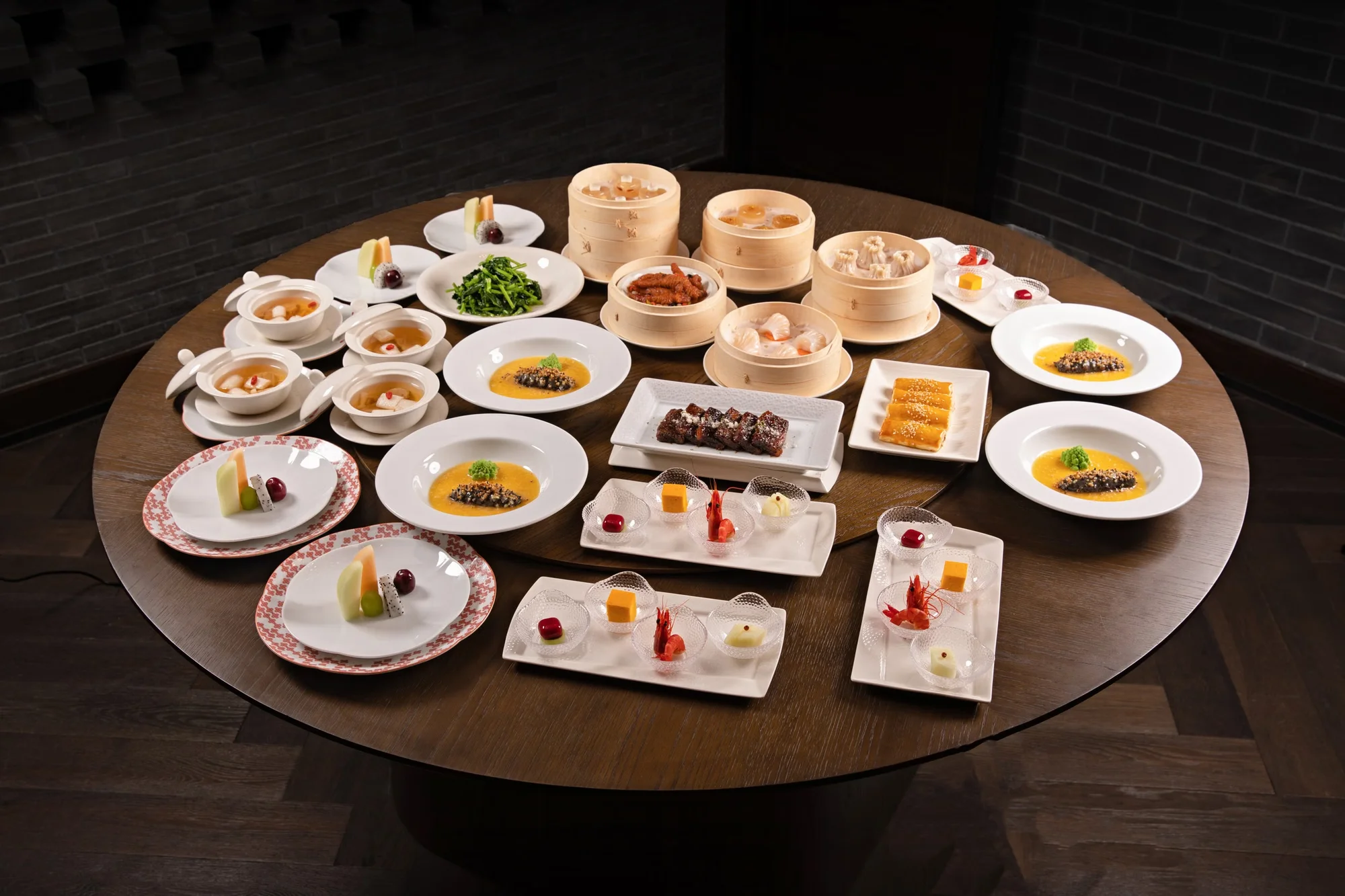
01. The bill is a friendly fight, and the host should win01. 买单是一场友好的争夺,主人该赢
Why it surprises.为什么会惊讶。 At home a shared meal usually ends one of two ways: the bill is split, or the host quietly takes it. You arrive assuming whoever invited you pays, and that everyone stays relaxed about it.在家吃饭通常两种结局:AA,或主人默默买单。你于是以为谁请客谁付,大家都不必较劲。
What you will actually meet.实际情况。 In China the guest is expected to at least offer to pay, and the host is expected to refuse. A polite tug-of-war at the register is normal between friends too, and the person who finally wins pays for the whole table. Refusing to let a guest pay is how a host shows generosity.在中国,客人至少得做出掏钱的样子,主人则必须拦下。朋友之间在收银台前抢上一轮也很常见,最后赢的人请全桌。不让客人付钱,正是主人表达大方的方式。
How to roll with it.怎么应对。 Do not split the bill at a hosted meal. Offer once or twice if you want to return the favour, then let the host win and say thanks. When it is your turn to host, pay without wavering.主人请客时别坚持 AA。想还人情就礼貌地抢一到两次,然后让主人赢、说声谢谢。轮到你做东时,就爽快地付。
02. Tipping is not expected, and may even be refused02. 小费不是惯例,甚至可能被拒收
Why it surprises.为什么会惊讶。 You come from a tipping culture and worry about the waiter's income, so skipping 15 percent feels rude and you spend the meal doing mental arithmetic.你来自有小费习惯的国家,会替服务员的收入操心:不给 15% 觉得失礼,整顿饭都在心算。
What you will actually meet.实际情况。 China has no tipping culture. The menu price is what you pay, most bills add no service charge, and ride and delivery apps simply charge the fare shown. Hand extra cash to a server and they may refuse, or run after you to return it, convinced you made a mistake.中国没有小费文化。菜单价格就是应付金额,多数账单不含服务费,打车、外卖 App 也只收显示的车费。你多塞现金给服务员,他们可能拒绝,甚至追出来还你,以为你算错了。
How to roll with it.怎么应对。 Do not tip restaurants, taxis or hotels. Rounding up is fine, and a small gift or a warm app review works for guides. Our China tipping guide《中国小费指南》 maps the rare spots where a tip is actually welcome.餐厅、出租车、酒店都不用给小费,抹个零就好;对导游可以送小礼物或写好评。小费在哪些罕见场合其实是惯例,我们的《中国小费指南》有标注。
03. Have you eaten? is a greeting, not a question03. 「你吃了吗」是问候,不是问题
Why it surprises.为什么会惊讶。 A shopkeeper asks whether you have eaten and you answer honestly with your lunch plans, then wonder why a stranger needs to know.店主问「吃了没」,你认真地汇报了午饭安排,然后纳闷陌生人为什么想知道这个。
What you will actually meet.实际情况。 Chinese greetings are built from care, not information. Chi le ma (have you eaten), qu nar a (where are you off to) and ni shou le (you look thinner) are the local how are you. Nobody wants your itinerary; they are opening a friendly channel.中国人的问候词由关心而非信息构成:「吃了吗」「去哪儿啊」「你瘦了」就是本地的 how are you。没人要你的行程单,他们只是打开一条友善的通道。
How to roll with it.怎么应对。 Answer loosely and bounce it back. Chi le, ni ne (ate already, and you) covers almost every case, and a smile with a nod works even when you miss the exact words.随口答一句并把问题抛回去:「吃了,你呢」几乎万用;没听清时,微笑点头也完全可以。
04. Round tables, lazy Susans and the seat of honour04. 大圆桌、转盘与主位
Why it surprises.为什么会惊讶。 At home the dinner table is rectangular, seats go to whoever arrives first, and dishes stay where the kitchen placed them.在家吃饭是长桌,座位先到先得,菜摆好就不再动。
What you will actually meet.实际情况。 Formal meals in China gather around a large round table with a rotating glass centre called the zhuangpan, so dishes circle to everyone. The host sits facing the door and guides the guest of honour opposite, while hotpot drops a shared boiling pot into the middle.中国的正式聚餐围着一张带玻璃转盘的大圆桌,菜转着圈到每个人面前。主人面向门坐,主宾被引到对面的上座;火锅则把一口共享的锅放到中间。
How to roll with it.怎么应对。 Wait to be seated and do not eat before the host picks up chopsticks. Turn the lazy Susan only when nobody is reaching, and slow it while someone serves themselves.等人引座,主人没动筷别先吃。别人没在夹菜时才转桌,别人夹菜时把转盘放慢或停住。
05. Group poses are a ritual; commutes belong to the phone05. 合影是仪式,通勤属于手机
Why it surprises.为什么会惊讶。 You expect a city of people photographing the skyline and instead find subway cars full of people staring at glowing screens while the sights pass the window.你以为满城都是拍天际线的人,结果地铁里人人盯着发光的屏幕,风景从窗外掠过也无人抬头。
What you will actually meet.实际情况。 Group photos in China are choreographed: friends line up, call yi er san (one two three), jump together or flash victory signs, and retake until everyone looks right. On the commute, short-video feeds, games and group chats fill the time, often played out loud.中国的合影有编排:朋友们站好,喊「一、二、三」,一起跳或比出剪刀手,拍不好就重来直到都满意。通勤路上,短视频、游戏和群聊填满时间,还常外放出声。
How to roll with it.怎么应对。 Say yes to group photos and offer to take one for locals; it breaks the ice faster than small talk. Carry earbuds for your own commute and keep your own audio low.痛快加入合影,主动帮本地人拍一张,比寒暄更破冰。自己通勤时备好耳机,音量也放低。
06. Calling people shifu, laoban and meinv06. 把别人叫作「师傅」「老板」「美女」
Why it surprises.为什么会惊讶。 At home you say sir or miss to get attention, and you are not sure how that transfers to a busy restaurant in Shanghai.在家你靠 sir 或 miss 引起注意,到了上海热闹的餐厅,你不知道这套怎么平移。
What you will actually meet.实际情况。 Chinese address runs on role and even appearance: shifu for drivers and craftsmen, laoban for shopkeepers, meinv (beauty) and shuaige (handsome) for young service staff, and tongzhi only in formal settings. Hailing a waiter with the bare word for waiter sounds abrupt, so locals use these warmer tags.中文称呼建立在角色甚至外貌上:司机手艺人称「师傅」,店主称「老板」,年轻店员常被唤「美女」「帅哥」,「同志」只用于正式场合。直接喊「服务员」显得生硬,所以本地人用这些更有温度的称呼。
How to roll with it.怎么应对。 Meinv and shuaige translate awkwardly but land as friendly, never rude. When unsure, laoban works for anyone behind a counter, and ni hao with a raised hand never fails.「美女」「帅哥」直译起来别扭,实际效果却是亲切而非冒犯。拿不准时,对柜台后的人一律「老板」;「你好」加举手永远不出错。
07. Chopsticks: never stand them upright in rice07. 筷子:绝不要竖插在米饭里
Why it surprises.为什么会惊讶。 Chopsticks are just eating tools, so you rest them however is handy, even upright in the rice bowl while you reach across the table.筷子只是餐具,怎么顺手怎么放,甚至插在饭碗里腾出手去够菜。
What you will actually meet.实际情况。 Chopsticks standing upright in a bowl of rice mimic the incense burned for the dead at an altar, so Chinese diners read it as a bad omen. Tapping the bowl like a beggar, and licking the tips before reaching into shared plates, draw the same frowns.筷子竖直插在米饭里,形似祭奠逝者燃起的香,中国食客视为不祥之兆。像乞丐那样敲碗、舔了筷子再去夹共享菜,同样惹人皱眉。
How to roll with it.怎么应对。 Rest chopsticks flat on the holder or the table edge whenever you pause, and use serving spoons for shared dishes. Nobody expects perfection, and most restaurants hand out disposable pairs.暂停时把筷子平放在筷架或碗沿,夹共享菜用公勺。没人指望你完美,多数餐厅提供一次性筷子。
08. Tea: pour for others first, and watch for the tea fee08. 茶:先给别人斟,留意「茶位费」
Why it surprises.为什么会惊讶。 At home tea is something you pour for yourself, and you assume the pot already on the table is free.在家喝茶是自斟自饮,你默认桌上已经泡好的茶不要钱。
What you will actually meet.实际情况。 When tea is poured, the guest or the youngest pours and the elders are served first; tapping two fingers on the table thanks the person who refills your cup. In many restaurants tea is not free: a few-yuan per-person chaweifei shows up on the bill, sometimes beside tissues you never ordered.斟茶讲究先客后主、先长辈;别人给你续杯,屈起两指叩桌便是道谢。许多餐厅的茶并不免费:账单上会出现几块钱的「茶位费」(按人头收),旁边有时还摆着你没点却收费的纸巾。
How to roll with it.怎么应对。 Scan the bill for chaweifei before assuming tea is complimentary. If you prefer not to drink tea, order kaishui (plain hot water), which most places serve cheaply or free.结账前先看有没有「茶位费」,别默认茶是送的。不想喝茶就点「开水」,大多数地方便宜甚至免费。
3 Group B: streets, sidewalks and shared spaces (items 09-14) B 组:街头、人行道与公共空间(第 09-14 条)
Group B is about the space between destinations: crossing a road, finding a bin or a toilet, joining a park at dawn. The street habits you learned at home are local rules, and the fastest way to look lost in China is to assume they are not. Our must-have apps guide《必备 App 指南》 keeps the right tools on your lock screen for these moments.B 组讲的是从一个目的地到另一个目的地之间的空间:过马路、找垃圾桶或厕所、清晨走进公园。你在家养成的街头习惯都只是地方规则,在中国最快迷路的方式,就是以为它们放之四海皆准。把对的工具放在锁屏上,靠我们的《必备 App 指南》。

09. Right-hand traffic, e-bike rivers and the zebra crossing reality09. 靠右行驶、电动车洪流与斑马线实况
Why it surprises.为什么会惊讶。 You glance both ways out of habit, confident that stepping onto a zebra crossing makes traffic stop.你习惯性地左右张望,自信只要踏上斑马线,车流就会停下。
What you will actually meet.实际情况。 China drives on the right, but the real difference is scale and silence. Rivers of e-bikes and scooters flow beside the cars, glide to the front at every light, and keep streaming through crosswalks after the cars have yielded. Most run on near-silent electric motors.中国靠右行驶,但真正的差异是规模和安静。电动车与摩托车汇成的车流贴着汽车流动,在每个路口钻到最前,汽车已经礼让时它们还在穿梭。多数电瓶车电机几乎无声。
How to roll with it.怎么应对。 Look both ways twice, then keep scanning for scooters slipping out from behind the stopped cars. Cross with the light and in a group, never trust the zebra alone, and take out your earbuds at junctions.左右各看两遍,再留意从停着的车后钻出的电动车。跟着绿灯和人流一起过,绝不单独依赖斑马线,路口摘掉耳机。
10. Street bins are rare; public toilets are everywhere but hidden10. 街边垃圾桶稀少;公厕到处有却藏得深
Why it surprises.为什么会惊讶。 You carry a wrapper expecting a bin every block, the way home cities space them out.你以为像家乡那样每个街角都有垃圾桶,于是拿着包装纸一路走。
What you will actually meet.实际情况。 During waste-sorting drives many Chinese cities removed street bins, so public cans can be oddly rare and you will pocket wrappers until a metro, mall or hotel. Public toilets, by contrast, are common and free, but they hide in alleys, parks, malls and petrol stations, and many are squat style.推行垃圾分类时,许多中国城市撤掉了街边垃圾桶,公共果皮箱变得出奇地少,你得把包装纸揣到地铁、商场或酒店。公共厕所反而常见且免费,但藏在巷子、公园、商场和加油站里,且多为蹲便。
How to roll with it.怎么应对。 Carry a small rubbish pouch, and buy drinks in bottles you keep refilling. For toilets, bring your own tissue, aim for malls and metro stations, and learn to tell 男 (men) from 女 (women).随身带个小垃圾袋,买瓶装水并循环使用。厕所方面自带纸巾,优先商场和地铁站,学会分辨「男」与「女」。
11. Overpasses, underpasses and 24-hour walkways11. 天桥、地下通道与 24 小时地下街
Why it surprises.为什么会惊讶。 You expect to cross at street level everywhere, and a wide road with no obvious crossing feels like a dead end.你预期处处都能平面过街,一条没有明显斑马线的大马路像走到了死胡同。
What you will actually meet.实际情况。 Chinese cities separate people from traffic with pedestrian overpasses, underground walkways and long underground streets that stay open around the clock. At big junctions the fastest route is often down a staircase rather than across the asphalt.中国城市用天桥、地下通道和全天候营业的地下街把人车分离。在大路口,最快的过街方式往往是下楼梯而不是横穿路面。
How to roll with it.怎么应对。 Follow the locals; they know which underpass is fastest. If you have luggage, hunt for the elevator at metro-linked crossings instead of carrying it up the stairs.跟本地人走,他们知道哪条地下通道最快。拖着行李就找连接地铁的电梯,别硬扛台阶。
12. Shared bikes, shared power banks and getting off the bus first12. 共享单车、共享充电宝与「先下后上」
Why it surprises.为什么会惊讶。 You plan around taxis and the subway and never notice the identical bikes parked at every corner.你按出租车和地铁做计划,完全没注意每个街角停着的同款单车。
What you will actually meet.实际情况。 Shared bikes by the million, plus shared power banks on every counter, fill the gaps no transit map shows. On buses, locals enter at the front or middle and always let passengers off first, a xian xia hou shang rule foreigners break once and instantly regret.数以百万计的共享单车,加柜台上的共享充电宝,填补了任何地图都标不出的缝隙。公交车上本地人前中门上车,永远「先下后上」,这条规矩外国人破一次就立刻后悔。
How to roll with it.怎么应对。 Unlock a bike or grab a power bank with the same Alipay or WeChat you use to pay, and let alighting passengers pass before you board a bus.用付款的支付宝或微信解锁单车、扫充电宝;上公交时先让下车的人走完。
13. Parks at dawn belong to tai chi and square dance13. 清晨的公园属于太极与广场舞
Why it surprises.为什么会惊讶。 You expect a park at daybreak to be nearly empty, with at most a few joggers and dog walkers.你以为破晓的公园几乎没人,顶多几个慢跑和遛狗的。
What you will actually meet.实际情况。 Chinese parks wake up early and loud. Retirees practise tai chi in slow formations, square dancers move in neat rows to pop music, and a few spin the kongzhu (diabolo) until it sings. It is a daily community ritual, not a performance staged for tourists.中国的公园醒得早而且热闹。老人们列阵慢打太极,广场舞者合着流行乐整齐律动,还有人把空竹抖得嗡嗡响。这是每日的社区仪式,不是为游客准备的演出。
How to roll with it.怎么应对。 Join in when invited; a foreigner trying tai chi or a few dance steps gets cheers, never mockery. Aim for the early window, roughly 6 to 8am, when the city is at its friendliest.被邀请就加入:外国人比划两招太极或舞步,换来的常是喝彩而非嘲笑。赶早场,大约早晨 6 点到 8 点,是全城最友善的时刻。
14. Neon LED signs share facades with hand-painted boards14. LED 霓虹招牌与手写老匾同墙共存
Why it surprises.为什么会惊讶。 You picture a historic street full of hand-painted signs and a modern one with orderly, muted signage.你以为老街全是手写招牌,新街区则秩序井然、招牌低调。
What you will actually meet.实际情况。 Chinese commercial streets mix eras on a single facade: a hand-painted shop board beside a scrolling LED screen, a carved wooden sign above a door that plays music. Landmarks and malls compete with giant neon billboards that turn whole blocks into light shows after dark.中国的商业街常在一面墙上混着不同年代:手写店招挨着滚动的 LED 屏,雕花木匾下方是放着音乐的店门。地标与商场比拼巨型霓虹广告,入夜后整片街区化身灯光秀。
How to roll with it.怎么应对。 Treat the signage as part of the sightseeing; the blend is deliberate and photogenic. For wayfinding, ignore the ads and switch to a Chinese map app, which group D covers.把招牌当风景的一部分,这种混搭是有意为之而且很上镜。认路时别理广告,换成中国地图 App,D 组会讲。
4 Group C: money and payments (items 15-20) C 组:金钱与支付(第 15-20 条)
Group C is about money, and the surprise is not the currency but the mechanism. In barely a decade China jumped from cash to mobile payment, and the street now runs on QR codes. Cash still works, but knowing when and how is the difference between a two-second scan and a fifteen-minute fumble. The full step-by-step lives in our how to pay in China guide《中国支付指南》.C 组讲钱,冲击你的不是货币本身而是运作方式:中国在十年出头里从现金跳进了移动支付,街头如今全靠二维码。现金仍能用,但知道何时、如何用,决定你是两秒扫完还是手忙脚乱十五分钟。完整分步在我们的《中国支付指南》里。
15. Cash still works, but change is the problem15. 现金仍可用,麻烦的是找零
Why it surprises.为什么会惊讶。 At home cash is accepted everywhere, so you withdraw a few hundred yuan and expect every counter to take it happily.在家现金万能,所以你取了几百块,预期每个柜台都会愉快收下。
What you will actually meet.实际情况。 Almost every merchant in China legally accepts cash, yet small stalls and even some shops keep almost no change, and a large note may be waved away. Foreign currency is not accepted on the street at all; you change it at a bank or airport counter before it is useful.中国几乎所有商户在法律上都收现金,但小摊甚至一些店铺几乎不备零钱,大钞可能被摆手拒收。外币在街头一概不收,得先到银行或机场柜台换好才有用。
How to roll with it.怎么应对。 Carry small notes for taxis, temples and rural stops, and treat your phone as the everyday wallet. Exchange foreign cash at a bank or airport, never on the street.备些小面额纸币用于出租车、寺庙和乡村,日常钱包交给手机。外币只在银行或机场换,绝不在街头换。
16. The QR wallet needs a bound card before it works16. 二维码钱包要先绑卡才能用
Why it surprises.为什么会惊讶。 You expect to pay with your usual credit card or Apple Pay, the way you do everywhere else on the planet.你预期像在其他地方一样,用信用卡或 Apple Pay 付款。
What you will actually meet.实际情况。 China's everyday wallet is a QR code inside Alipay or WeChat Pay. Both apps now accept foreign Visa, Mastercard and other international cards, but the card must be bound in the app first. Without a bound card your screen code will not complete a single purchase, however much money you hold.中国的日常钱包是支付宝或微信支付里的二维码。如今两个 App 都接受外国 Visa、万事达等国际卡,但必须先绑卡。没绑卡,你屏幕上的码一笔也付不成,账户里钱再多也没用。
How to roll with it.怎么应对。 Bind your card at home on normal Wi-Fi, then test with a one-yuan purchase before you fly. Our how-to-pay guide《支付操作指南》 walks through Alipay and WeChat Pay card setup with the same card.出发前在家里正常 Wi-Fi 下绑好卡,再买一块钱的东西测一测。用同一张卡完成支付宝和微信支付的绑卡步骤,照《支付操作指南》做即可。
17. Foreign cards work on POS, but everyone still asks the QR question17. 外国卡能刷 POS,但人人都先问二维码
Why it surprises.为什么会惊讶。 You hand over your card expecting a quick tap, the way terminals work in Paris or Bangkok.你把卡递过去,预期像巴黎或曼谷的终端那样碰一下就完成。
What you will actually meet.实际情况。 Since the 2023 payment opening, more merchants can swipe foreign cards on their POS machines, but the setup is far from universal and the terminal is often stowed away. The first question at almost every counter is still WeChat or Alipay, and answering card makes the transaction visibly slower.2023 年支付开放后,能用 POS 机刷外国卡的商户变多了,但远未普及,终端也常被收在柜台里。几乎所有柜台的第一问仍是「微信还是支付宝」,你答刷卡,交易就会明显变慢。
How to roll with it.怎么应对。 Treat the QR question as the cue to use your phone. Keep the physical card as backup for hotels, department stores and emergencies.对方问「微信还是支付宝」,就是提示你掏手机。实体卡留作酒店、大商场和紧急情况的后备。
18. Change gets rounded, and friends settle through red packets18. 零头常被抹掉,朋友间用红包分账
Why it surprises.为什么会惊讶。 At home a bill is settled to the last cent, and a group dinner is divided up with everyone doing the math.在家账单精确到分,聚餐分摊时人人都要做算术。
What you will actually meet.实际情况。 Small vendors often skip small change entirely, rounding a 23.5 yuan bill down to 23 yuan, and nobody treats it as a loss. When friends share a bill, one person pays and the rest instantly transfer their share, often as a WeChat or Alipay red packet of a few yuan at a time.小摊常直接把零头省掉:23.5 元按 23 元收,没人觉得亏。朋友分摊时一人先付,其他人立刻把自己的份额转过去,常通过微信或支付宝红包,几块钱几块钱地发。
How to roll with it.怎么应对。 Read rounding down as a quiet courtesy. Be ready to be the one who pays first and collects later, and set up WeChat Pay so you can receive a red packet when a friend sends one.把抹零当作无声的礼遇。做好「先付钱再收账」的准备,并开通微信支付,这样朋友发红包时你才收得到。
19. Restaurants, sights and hospitals book on the phone19. 餐厅、景点、医院都在手机上排队
Why it surprises.为什么会惊讶。 You would rather walk up to the restaurant, the museum or the clinic and deal with a person face to face.你宁愿走到餐厅、博物馆或医院,当面跟人把事情定下来。
What you will actually meet.实际情况。 In China the queue usually starts on the phone. Popular restaurants take bookings through their WeChat official account, museums and sights sell timed tickets through mini programs, and hospital outpatient slots open on an app days in advance. Walking up can mean a long wait or a sold-out gate.在中国,排队通常从手机开始。热门餐厅靠微信公众号订位,博物馆和景点用小程序的时段票,医院门诊要提前几天在 App 上挂。直接到现场,往往意味着长队或已经售罄。
How to roll with it.怎么应对。 Search the venue inside WeChat and book through its mini program; when the interface is Chinese-only, your hotel front desk will help within minutes. The habit carries over to everything from massages to river cruises.在微信里搜店家、用小程序预订;界面只有中文时,酒店前台几分钟就能帮你搞定。从按摩到夜游船的预约,都是同一套习惯。
20. Fast 5G, and three ways to bring your own data20. 5G 很快,但联网有三条路可选
Why it surprises.为什么会惊讶。 At home your phone roams automatically on arrival, so you assume the same will happen in China.在家你一落地就自动漫游,想当然以为中国也一样。
What you will actually meet.实际情况。 Chinese cities have dense 5G and broadband, and speeds can be superb. The catch is software, not hardware: many Western services are filtered on local networks. The practical question is how your data reaches you, and the answer is one of three: a travel eSIM, a local SIM, or your carrier's roaming, each trading off cost and which apps keep working.中国城市 5G 和宽带覆盖密集,网速相当出色。真正的坎在软件不在硬件:许多西方服务在本地网络上会被过滤。实际问题是你怎么拿到数据,答案通常是三选一:旅行 eSIM、本地 SIM 或运营商漫游,三者在价格和哪些 App 还能用上有取舍。
How to roll with it.怎么应对。 Choose before you fly so maps and messaging work from the moment you land. Compare price, set-up time and app access in our eSIM vs SIM vs roaming guide《eSIM、SIM 与漫游对比指南》.出发前就定好,让地图和通讯从落地那一刻就能用。价格、开通时间、能访问哪些 App,对比见《eSIM、SIM 与漫游对比指南》。
5 Group D: the digital layer (items 21-26) D 组:数字生态(第 21-26 条)
Group D is the layer of your trip you cannot see: the apps, logins and codes that keep modern China moving. Nothing here is hostile, but everything assumes a Chinese phone number, a Chinese account or a QR code, and that mismatch is where visitors get stuck. Sort out the three pre-flight items in group C and the entry checklist in our arrival card and 24-hour registration guide《入境卡与 24 小时登记指南》 before you land, and most of this group stops being a problem.D 组是你看不见的那一层:让现代中国运转的 App、账号和二维码。这里没有敌意,但一切都默认你有中国手机号、中国账号或二维码,游客正是卡在这种错位里。落地前把 C 组的行前三件事和我们的《入境卡与 24 小时登记指南》搞定,本组大多数问题就不再是问题。
21. Your usual apps go quiet on local networks21. 你常用的 App 在本地网络集体「失声」
Why it surprises.为什么会惊讶。 You assume Google Maps, WhatsApp, Instagram and X work as they do at home, because your phone always connected before.你默认 Google 地图、WhatsApp、Instagram、X 都和在家一样能用,毕竟手机以前总能连上。
What you will actually meet.实际情况。 On Chinese mobile networks a long list of Western services is unreachable without a workaround: Google search and Maps, Gmail, and the messaging and social apps you lean on simply will not load. It is the single biggest shock for many visitors, and it is solved before you land, not while you stand on a curb.在中国移动网络上,许多西方服务不借助变通就连不上:谷歌搜索与地图、Gmail,还有你依赖的聊天与社媒 App 都加载不出来。这是很多游客最大的惊吓,而解法在落地前就要定好,不是站到路边再想。
How to roll with it.怎么应对。 Pick the data route from item 20 first: roaming and several travel eSIMs keep your home apps working. If you only use local networks, keep the Chinese alternatives from the next item installed and ready.先按第 20 条定好流量路线:漫游和不少旅行 eSIM 能保住你的常用 App。若只用本地网络,就提前装好下一条的中文替代。
22. The Chinese replacements are excellent, not copies22. 中国的替代 App 很好用,不是仿品
Why it surprises.为什么会惊讶。 You have never heard of the apps around you and quietly assume they are pale copies of the ones you use.你从没听过周围人都在用的 App,心里默认它们是劣质仿品。
What you will actually meet.实际情况。 China's home-grown services are mature products with their own strengths. Amap and Baidu Maps handle Chinese streets, live transit and taxi calls; WeChat mini programs replace whole app stores; Douyin and Xiaohongshu are where locals plan trips and meals; and Bilibili hosts the deep-dive videos. Adopting them is part of the trip.中国的本土服务是成熟产品,有自己的长处。高德和百度地图搞定中文街道、实时公交和叫车;微信小程序顶上半个应用商店;抖音和小红书是本地人做行程、找馆子的地方;B 站藏着最深度的视频。用上它们,也是这趟旅行的一部分。
How to roll with it.怎么应对。 Install Amap, WeChat and a translator before you need them, then browse our must-have apps guide《必备 App 指南》 for the exact set with QR-free download tips.在需要之前先装好高德、微信和翻译软件,具体清单和免翻墙下载技巧见我们的《必备 App 指南》。
23. Public WiFi asks for a real-name SMS code23. 公共 WiFi 要实名短信验证
Why it surprises.为什么会惊讶。 You tap join on the cafe WiFi and expect the same friction-free login you get at home.你点一下咖啡店的「加入网络」,预期和家里一样无缝连上。
What you will actually meet.实际情况。 Public WiFi in China is regulated and usually asks for real-name verification: a Chinese mobile number that receives a one-time SMS code, and sometimes a passport scan at hotels and airports. A roaming line or travel eSIM can receive SMS, but a random local prepaid number is not always accepted by every network.中国的公共 WiFi 受监管,通常要实名验证:一个能收短信验证码的中国手机号,酒店和机场有时还要扫护照。漫游号码或旅行 eSIM 能收短信,但路边买的本地卡不一定能注册所有网络。
How to roll with it.怎么应对。 Use your travel eSIM number for the codes, or simply rely on mobile data and skip the WiFi hunt. When the form is Chinese-only, ask a staff member to type for you.用你旅行 eSIM 的号码收验证码,或者干脆全程用流量,别再到处找 WiFi。表单只有中文时,请店员帮忙输。
24. The everyday pass is a QR code tied to your name24. 日常通行证是一个实名二维码
Why it surprises.为什么会惊讶。 You expect paper tickets, plastic cards and printed confirmations to get you into things.你预期门票、卡和打印确认单才是入场券。
What you will actually meet.实际情况。 China digitalised the everyday pass. Metro and bus rides use a transit QR code, museums and sights scan a booking code, and years of health codes left a habit of showing a code at every gate. These systems are real-name, so when staff check, it is your passport that ties the code on your screen to you.中国把日常通行数字化了:地铁公交刷乘车码,博物馆和景点扫预约码,前些年的健康码让每个闸口都养成了看码的习惯。这些系统都实名,所以工作人员查验时,是你手里的护照把屏幕上的码和你本人绑在一起。
How to roll with it.怎么应对。 Open the right mini program before you reach the gate, and keep your passport handy for the manual identity checks that still happen at stations and sights.到闸口前先打开对应的小程序,护照放在手边,车站和景点偶尔仍有人工查证。
25. Ordering is two layers: browse the list, then confirm the order25. 扫码点单分两层:浏览菜单,再确认下单
Why it surprises.为什么会惊讶。 You expect a menu you can hold, and ordering by pointing at the dishes you recognise.你预期拿到纸质菜单,指着认识的菜点单。
What you will actually meet.实际情况。 Most casual restaurants now ask you to scan a QR code on the table. The screen usually shows two layers: the full dish list you browse, and the actual order you confirm and pay for before the kitchen starts. Your special requests, like less spicy, live in a notes box on the order screen.多数餐厅让你扫桌上的二维码点单。屏幕通常分两层:可浏览的完整菜品列表,和你要确认并先付款、厨房才会开工的实际订单。像「少辣」这样的备注,藏在订单页的备注栏里。
How to roll with it.怎么应对。 Scan, browse, then confirm and pay in-app; the kitchen only ever sees the confirmed order. If you cannot read the screen, the paper menu is usually still available on request.扫码、浏览、确认并在线付款,厨房只看到确认后的订单。看不懂屏幕时开口要菜单,一般还有纸质版。
26. Hospital slots and results run through the phone, not paper26. 医院挂号与报告都走手机,不靠纸张
Why it surprises.为什么会惊讶。 You expect to walk into a clinic, register at a desk and wait for your name to be called.你预期走进医院、在柜台挂号、坐着等叫名。
What you will actually meet.实际情况。 City hospitals in China book outpatient slots through official accounts and mini programs days ahead, and registration is real-name against your passport. Test results and prescriptions come back through the same app, while waiting queues appear on screens. Petrol stations are similar in spirit: mostly staffed, and you pay by card or QR at the counter after filling.中国城市医院通过公众号和小程序提前数天放门诊号,挂号实名、核验护照。检查结果和处方经同一 App 返回,候诊排队看屏幕叫号。加油站也类似:大多有人值守,加完油到柜台刷卡或扫码即可。
How to roll with it.怎么应对。 If you need a doctor, ask the hotel front desk to book with your passport, and let the hospital's official account push results to your phone. Our emergency help guide《紧急求助指南》 has the medical-visit basics for visitors.要看病就让酒店前台用护照帮你挂号,报告由医院公众号推到你手机。游客就医的基本流程,见我们的《紧急求助指南》。
6 Group E: transport (items 27-31) E 组:交通出行(第 27-31 条)
Group E is about motion. China built the world's largest high-speed rail network and wrapped it in a ride-hailing layer that makes figuring out directions optional. The surprises here are procedural: no paper ticket, no street bargaining, and no reason to assume a taxi is the default. For the full rail-and-metro picture see our best time to visit guide《最佳旅行季节指南》 when you plan the route and season.E 组讲出行。中国建成了全球最大的高铁网,又铺了一层让「认路」变成可选项的网约车体系。这里的意外都在流程上:没有纸质票、不在街头议价、出租车也不再是默认。规划路线和季节时,可配合我们的《最佳旅行季节指南》。

27. High-speed stations run like metro, and your passport is the ticket27. 高铁站像地铁一样运转,护照就是票
Why it surprises.为什么会惊讶。 You expect a big terminal with ticket counters, queues, paper tickets and voice announcements calling your train.你预期一个大型车站:售票柜台、长队、纸质车票、广播叫你车次。
What you will actually meet.实际情况。 China's high-speed stations are airport-metro hybrids. Your passport or ID card is the ticket: gates scan it automatically and you walk straight to the platform. Paper tickets exist only as receipts, and booking, seat number and platform all live in the app you booked with.中国的高铁站是机场与地铁的混合体:护照或身份证就是票,闸机自动扫描,刷完直上月台。纸质票只作为报销凭证存在,车次、座位和站台全在你订票的 App 里。
How to roll with it.怎么应对。 Book online with your passport number, arrive about 40 minutes early, and scan the passport at the gate like a metro turnstile. In peak seasons book intercity legs a day or two ahead.用护照号网上购票,提前约 40 分钟到站,像刷地铁一样刷护照进闸。旺季跨城行程请提前一两天买好。
28. Taxis are fine, but ride-hailing is the local default28. 出租车还行,但网约车才是本地默认
Why it surprises.为什么会惊讶。 You step out of the station and wave at the first taxi, expecting a metered ride like at home.你走出车站就向第一辆出租车招手,预期像在家一样打表。
What you will actually meet.实际情况。 Street taxis exist and many run on meters, but in busy areas drivers may quote a flat price, decline short hops, or simply not stop. Most residents default to ride-hailing through an app, where price, route and driver are fixed before you get in and payment is automatic when the ride ends.街头出租车存在,不少也打表,但在热闹地段司机可能报一口价、拒载短途,甚至不停车。多数居民的默认是 App 叫网约车:上车前价格、路线、司机都已定好,行程结束自动扣款。
How to roll with it.怎么应对。 Make ride-hailing the default and keep street taxis for the ranks outside hotels and stations. DiDi runs inside WeChat and Alipay, so there is no separate app to install; our DiDi guide《滴滴指南》 walks through a ride end to end.把网约车设为默认,酒店和车站前的出租车队当备选。滴滴跑在微信和支付宝里,无需另装 App;一趟车怎么叫,全程见我们的《滴滴指南》。
29. Green plates, blue plates and the day's driving ban29. 绿牌、蓝牌与当天的限行
Why it surprises.为什么会惊讶。 You never think about licence plates until a rental car enters the picture.在租车之前,你从不需要关心车牌。
What you will actually meet.实际情况。 Chinese plates carry their story in colour: new-energy vehicles run on green plates, petrol cars on blue. Big cities manage congestion by restricting when cars may enter the centre, often by the plate's last digit, and some ban non-local plates from certain zones at peak hours. Rental cars and ride-hailing face different versions of these rules.中国车牌用颜色讲故事:新能源车上绿牌,燃油车上蓝牌。大城市靠限行治堵:常按车牌尾号限制车辆进市中心的天数,部分城市高峰时段还限制外地牌照进入某些区域。租的车和网约车面对的是不同版本的规则。
How to roll with it.怎么应对。 If you drive yourself, pick a rental firm that handles plates and check the restriction for your plate before heading downtown. Otherwise, let your ride-hailing driver worry about the rules.如果自驾,选会处理车牌的租车公司,进市区前先查当天你的牌照是否受限。不自驾,就让网约车司机操心这些。
30. Two wheels, three wheels and a shared-bike tide30. 两轮、三轮与共享单车潮
Why it surprises.为什么会惊讶。 At home two-wheeled traffic means bicycles in lanes and the occasional motorcycle.在你家,两轮交通就是车道上的自行车和偶尔的摩托车。
What you will actually meet.实际情况。 Chinese streets have extra layers: e-bikes that ride like motorcycles, tides of shared bikes through every junction, and in smaller cities three-wheeled passenger buggies that work as cheap taxis. Tier-one cities enforce helmets and plates on e-bikes, while smaller places run looser and messier, so the visitor risk is mostly surprise rather than malice.中国的街道有额外的层次:骑得像摩托车的电动车、穿过每个路口的共享单车潮,以及小城市里充当廉价出租的三轮摩的。一线城市严查电动车头盔和牌照,小地方则宽松也更混乱,游客的风险主要是意外而非恶意。
How to roll with it.怎么应对。 Never assume an e-bike will stop, and never ride one without a helmet. Shared bikes are fine for short hops, and any three-wheeled ride is best treated as a negotiated, settle-first deal.永远别假设电动车会停,骑共享电单车务必戴盔。短途用共享单车没问题;三轮摩的则当作「先谈价、先结清」的交易。
31. Long-distance buses are thinning out; rail and shuttles took over31. 长途大巴在变少,高铁和景区直通车接棒
Why it surprises.为什么会惊讶。 You assume an intercity coach network will move you between cities the way it does at home.你以为城际大巴网络会和家里一样,负责城市之间的移动。
What you will actually meet.实际情况。 Intercity coaches still exist but have thinned dramatically since high-speed rail took the traffic. Between big cities the train wins on speed, price and comfort, and tourist routes now get direct scenic shuttles from city centres and rail stations to major sights.城际大巴仍在,但高铁分流后已经明显稀疏。大城市之间火车在速度、价格和舒适度上全面胜出;旅游线路则出现从市中心和火车站直达景区的景区直通车。
How to roll with it.怎么应对。 Let rail carry the intercity legs and book with the app from item 27. For mountains and scenic areas, the direct shuttle is often the only sane option, and your hotel can confirm the stop and timetable.城际移动交给高铁,用第 27 条的 App 购票。山区景区线路,直通车往往是唯一靠谱的选择,站点和班次让酒店帮忙确认。
- Book rail with your passport.用护照订高铁。 Timed tickets sell out on holiday weekends; book a day or two ahead.
- English-friendly booking.英文订票渠道。 The rail app is Chinese-first; you can also book your bullet-train tickets through Trip.com for an English interface and e-ticket support.
- Gate like metro.像地铁一样进站。 Scan the passport on the QR reader and follow the platform signs, not the departure boards.
7 Group F: service, shopping and eating out (items 32-36) F 组:服务、购物与外出用餐(第 32-36 条)
Group F covers the hospitality layer: the scripted warmth of Chinese service, the pay-first rhythm of eating, per-head entertainment pricing, and the cheerful sales hustle of malls. The tone is warmer and more direct than most visitors expect, and it runs on rituals you can learn in an afternoon.F 组讲的是服务这一层:中式服务成套的话术温度、先付后吃的节奏、按人头计的娱乐定价,以及商场里热情直给的销售。这种氛围比多数游客预期的更热络、更直接,而且它依赖的仪式,一个下午就能学会。
32. The service script: welcome, full enough, and sit as long as you like32. 服务话术:「欢迎光临」「吃饱了吗」「再坐会儿」
Why it surprises.为什么会惊讶。 At home service is functional: a server takes your order, brings the food and drops the bill.在你家,服务讲究功能:点单、上菜、递账单。
What you will actually meet.实际情况。 Chinese service runs a warmer script. Enter a shop and you may hear huan ying guang lin (welcome). Finish eating and the server asks whether you want the bill or to sit longer, then genuinely leaves you alone until you signal. Asked if you have eaten enough, they mean it, and nobody rushes you out the door.中国的服务有一套更热络的台词。进店会听到「欢迎光临」;吃完了,服务员会问你要不要结账还是再坐坐,之后真的不再打扰,直到你示意。「吃饱了吗」是真心的,没人赶你出门。
How to roll with it.怎么应对。 When you are done, catch the server's eye and say mai dan, qing (bill, please). If you want to linger over tea, say so; lingering is welcome almost everywhere.吃好了就看着服务员说「买单,请」。想喝茶再坐会儿就直接说,几乎所有地方都欢迎你久坐。
33. Pay first at the counter, then the food arrives33. 先到柜台付钱,菜才会上
Why it surprises.为什么会惊讶。 Back home you eat first and settle afterwards, everywhere without exception.在家永远先吃后付,无一例外。
What you will actually meet.实际情况。 A big slice of casual dining in China runs pay-first. You order and pay at the counter or by QR, then the food arrives at your table. Hotpot chains, barbecue restaurants, bubble-tea shops and many noodle counters all work this way, and some add a base pot or table charge before anything else.中国的休闲餐饮有很大一块是先付后吃:先在柜台或扫码点单付款,菜随后上桌。火锅连锁、烧烤店、奶茶店和许多面馆都如此,有些还会先收锅底费或占桌费。
How to roll with it.怎么应对。 Follow the rhythm of the person ahead of you: when the screen or counter asks for payment, pay, then find a seat. For a group, one person pays and friends transfer their share, exactly as in item 18.照前面客人的节奏来:屏幕或柜台要求付款就付,然后找座。多人聚餐就一人先付、朋友转账,与第 18 条一致。
34. KTV, escape rooms and board games price by the head34. KTV、密室、桌游按人头计费
Why it surprises.为什么会惊讶。 You assume entertainment is priced per activity, like a cinema ticket or a bowling lane.你以为娱乐像电影票或保龄球道那样按项目计费。
What you will actually meet.实际情况。 At KTVs, escape rooms and board-game cafes the charge is usually per person, stacked on an hourly or half-day package, and the group settles one bill at the end. A KTV room comes with a song console and a snack menu: you pay for the room, the hours and whatever you order from the counter.在 KTV、密室和桌游吧,收费通常按人头计,再叠加按小时或半天的套餐,最后全场结一张单。KTV 包间带点歌台和零食菜单:你为包间、时长和从吧台点的东西分别付钱。
How to roll with it.怎么应对。 Ask for the price list first: the per-person rate, the minimum hours and whether snacks are included. At KTV, nothing from the snack bar is free unless the package says so.先要价目表:问清人均价、最低时长和是否含小食。在 KTV,除非套餐写明,吧台零食没有免费的。
35. Airports and borders do friendly double-checks35. 机场和口岸会有友善的二次查验
Why it surprises.为什么会惊讶。 You expect one immigration stamp and a relaxed stroll to the exit, as in most countries.你预期像多数国家那样,盖一个入境章就从容走向出口。
What you will actually meet.实际情况。 Arriving in China you clear immigration, then customs, and sometimes face a second identity check at the gate or a random luggage re-screen. Cash above the declared limit, restricted goods and unusually large amounts of electronics all route through the declaration counter. It is procedural, never personal, and the officers stay professional.入境中国时,你先过边检,再走海关,偶尔还会在闸口遇到二次查证或随机复检行李。超过限额的现金、受管制物品和数量异常的电子产品,都要走申报通道。这一切都是流程而非针对个人,边检人员始终专业。
How to roll with it.怎么应对。 Keep your passport, boarding stub and first-hotel address within reach the whole way, and declare anything borderline instead of hoping it slides. A printed hotel booking answers the where-are-you-staying question instantly.全程把护照、登机牌和第一家酒店地址放在手边;拿不准的东西就申报,别赌运气。问到住哪儿,一份打印订单一拿出来就解决。
36. Mall staff call you ge and jie, then reach for WeChat36. 商场店员喊你「哥」「姐」,还要加微信
Why it surprises.为什么会惊讶。 You expect store staff to leave you alone until you ask for help.你预期店员在你开口前不来打扰。
What you will actually meet.实际情况。 In department stores and electronics malls, staff approach fast and warmly, calling customers ge (brother) or jie (sister) and older shoppers shushu or ayi. Many will offer to add you on WeChat for member prices or after-sales service. It is a sales ritual built around a quick yes or no, not an invitation to browse for an hour.在百货商场和电子城,店员会热情而迅速地迎上来,称顾客「哥」「姐」,对年长者叫「叔叔」「阿姨」。许多人还会提出加微信,好发会员价或做售后。这是以快速回应为中心的销售仪式,不是邀你慢逛一小时。
How to roll with it.怎么应对。 A polite xie xie, wo ziji kan kan (thanks, I will look myself) resets the space. Accepting a WeChat add is safe but optional, and you can unfollow later without causing offence.一句「谢谢,我自己看看」就能让空间清净。加微信是安全但可选的事,之后取关也不会得罪人。
8 Group G: crowds, emergencies and noise, plus the full recap (items 37-40) G 组:人群、紧急情况与噪音,附全表速览(第 37-40 条)
Group G closes the list with the moments that matter most: emergencies, queues and volume. Get these four right and even a stressful day in China stays calm, which is exactly what our best time to visit guide《最佳旅行季节指南》 tries to arrange in the first place.G 组用最重要的时刻收尾:紧急情况、排队和音量。把这四条做对,即使在中国碰上麻烦的一天也能保持镇定,这也是我们的《最佳旅行季节指南》从一开始就想帮你安排好的一切。
37. Emergency numbers are unified, and English help varies37. 紧急号码全国统一,英语支援看情况
Why it surprises.为什么会惊讶。 You have your home country's emergency number memorised and assume China runs a similar service with English-speaking operators.你背熟了本国的紧急号码,以为中国有类似服务、接线员会说英语。
What you will actually meet.实际情况。 China's emergency numbers are unified nationwide: 110 for police, 119 for fire and 120 for an ambulance. Operators answer in Chinese; some big-city centres can connect an English speaker, but it is not guaranteed. The fastest help usually comes from a bilingual bystander or from your hotel front desk dialling for you.中国的紧急号码全国统一:110 报警、119 火警、120 急救。接线员讲中文;部分大城市中心可转接英语,但不保证。最快的帮助往往来自身边会说双语的路人,或替你拨号的酒店前台。
How to roll with it.怎么应对。 Save 110, 119 and 120, carry a card with your hotel name and address written in Chinese, and keep your embassy or consulate number handy. A printable template lives in our emergency help guide《紧急求助指南》.存好 110、119、120,随身带一张写着酒店中英文名称和地址的卡片,再把使领馆电话留在手边。可打印模板在我们的《紧急求助指南》里。
38. Queues exist, and sometimes they do not38. 排队有时存在,有时并不存在
Why it surprises.为什么会惊讶。 You expect orderly single-file lines with late arrivals joining at the back, as at home.你预期大家规规矩矩排一列、后来的自动站到队尾,像在家里一样。
What you will actually meet.实际情况。 Queuing in China is situational. At station gates, ticket windows and high-speed platforms, lines form and are mostly respected. At market stalls, festival sites and peak-season sights, a crowd presses toward the counter and the line thins into a cluster. It is not rudeness, just a different crowding style.中国的排队因场合而异。车站闸口、售票窗口和高铁站台,队伍井然且大体被遵守;在集市摊位、节庆现场和旺季景点,人群会向柜台涌,队伍散成一团。这不是没礼貌,只是一种不同的拥挤方式。
How to roll with it.怎么应对。 At chaotic counters, step in close and hold your spot with a smile; nobody reads it as hostile. On platforms and gates, join the real line and let people exit first, as with buses in item 12.在混乱的柜台前靠近一些,微笑着守住自己的位置,没人觉得那是敌意。在站台和闸口则老实排队,并像第 12 条那样先下后上。
39. Public volume runs high, and it is almost never anger39. 公共音量偏高,而且几乎从不代表生气
Why it surprises.为什么会惊讶。 Your home norms keep voices low in public, and raised voices make you scan for a fight.你家在公共场合习惯压低声音,有人提高嗓门你就警惕是否要吵架。
What you will actually meet.实际情况。 Conversational volume in China sits higher than in many Western countries. Families talk loudly over dinner, phone calls happen at full volume on the street, and shopfront speakers, metro announcements and restaurant kitchens all join the mix. Even on the subway, phones playing out loud are simply tolerated.中国的交谈音量比许多西方国家高。一家人晚餐时大声说笑,街上有人大声讲电话,店门口的喇叭、地铁广播和餐厅后厨都汇入这片声浪。即使地铁里有人外放手机,大家也只是容忍。
How to roll with it.怎么应对。 Do not read loudness as aggression; when you chat, matching the energy reads as friendliness. For quiet, keep earbuds in your bag and ask for an an jing de weizi (quiet seat) when you need one.别把音量当敌意;聊天时跟上这种能量,反而显得友好。想要安静就把耳机带在身边,需要时可以要一个「安静的位置」。
40. Filming yourself is ordinary; mind the no-flash signs40. 自拍很正常;留意「禁止拍照」
Why it surprises.为什么会惊讶。 You hesitate to film in public, worried about being stared at or told off.你犹豫在公共场合举起手机,怕被围观或被呵斥。
What you will actually meet.实际情况。 Filming yourself in China is utterly ordinary. Selfie sticks, ring lights and tripods appear at every landmark, and vloggers narrate to cameras in museums, parks and streets without drawing a second glance. The etiquette that remains is universal: do not shove a camera into someone's face, and obey the no-photo and no-flash rules inside temples and some galleries.在中国,自拍再平常不过。每个地标都有人举自拍杆、补光灯和三脚架,博主们在博物馆、公园和街头对着镜头讲解也无人侧目。剩下的礼节是通用的:别把镜头怼到别人脸上,进寺庙和部分展馆遵守禁拍、禁闪光的规定。
How to roll with it.怎么应对。 Film freely but keep people in the background rather than the foreground. Watch for jin zhi pai zhao (no photography) signs indoors, and switch the flash off around exhibits and artworks.放心拍摄,但让人退到背景而非前景。室内留意「禁止拍照」的牌子,对着展品和艺术品时关闭闪光灯。
- Save the numbers now.现在就存好号码。 110 police, 119 fire, 120 ambulance, plus your embassy and hotel desk.
- Queue reading.看懂队伍。 At gates and platforms the line is real; at market counters it can melt into a crowd, so hold your spot politely.
- Volume equals life.音量即活力。 Loud is normal, not angry. Pack earbuds and match the energy when you chat.
If you want the compressed version of all this, our free China travel tools免费中国旅行工具 page lines up the visa checker, connectivity picker, budget calculator and crowd checker in one row, and the site FAQ网站 FAQ answers the follow-up questions this list tends to raise.想要浓缩版?我们的「免费中国旅行工具」页把签证查询、上网方案选择、预算计算器和人潮查询排成一排;这些问题引发的一系列追问,可在「网站 FAQ」找到答案。
Here is the whole list at a glance. Read it once as a map of what is coming, then come back to the items that match your own trip.这是整份清单的一览。先通读一遍当作「未来会遇见什么」的地图,再回来翻与你行程对应的条目。
| Group组别 | Theme cluster主题差异 | Items条数 | Likely to surprise是否会意外 |
|---|---|---|---|
| A | Culture at the table and among friends餐桌与人际文化 | 01-0801-08 | High高 |
| B | Streets, sidewalks and shared spaces街头与公共空间 | 09-1409-14 | High高 |
| C | Money and payments金钱与支付 | 15-2015-20 | High高 |
| D | The digital layer数字生态 | 21-2621-26 | High高 |
| E | Transport交通出行 | 27-3127-31 | Medium中 |
| F | Service, shopping and eating out服务、购物与外出用餐 | 32-3632-36 | Medium中 |
| G | Crowds, emergencies and noise人群、紧急情况与噪音 | 37-4037-40 | Medium中 |
Frequently asked questions (FAQ)常见问题(FAQ)
No. China has no tipping culture: the menu price is what you pay, most bills carry no service charge, and ride and delivery apps charge the fare shown. Handing extra cash to a server is often refused or returned. Rounding up is fine, and a small gift or a warm review works well for exceptional guides.不需要。中国没有小费文化:菜单价格就是应付金额,多数账单不含服务费,打车和外卖 App 也只收显示的车费。多塞现金给服务员,常被拒收甚至追着还回。抹个零就好,对出色的导游送份小礼物或写条好评更合适。
On ordinary Chinese mobile networks, most Western services, including Google search and Maps, Gmail, WhatsApp, Instagram and X, are not reachable without a workaround. Roaming from many home carriers and several travel eSIM providers keep these apps working. If you rely only on a local SIM, carry the Chinese alternatives, such as Amap and WeChat.在中国普通移动网络上,多数西方服务都连不上:谷歌搜索与地图、Gmail、WhatsApp、Instagram、X 等,不借助变通就无法访问。很多运营商的漫游和部分旅行 eSIM 能保住这些 App。如果只用本地 SIM 卡,就装好中文替代,比如高德和微信。
Yes, cash is legal tender and almost every merchant accepts it, but small stalls often keep almost no change, so carry small notes. QR payments through Alipay or WeChat Pay are the default almost everywhere, and binding a foreign card before you fly makes paying as simple as a two-second scan.可以。现金是法定货币,几乎所有商户都收,但小摊常常没有零钱,所以请备小面额纸币。支付宝或微信支付的二维码是绝大多数场合的默认方式,出发前绑好外国卡,付款就是两秒的事。
Not for payments: Alipay and WeChat Pay work with a foreign card and a foreign number for a visitor. Public WiFi usually asks for a one-time SMS code sent to a phone number, and a roaming line or travel eSIM number can receive it. A hotel or airport may ask for your passport for real-name registration.支付不需要:游客用外国卡加外国手机号即可开通支付宝和微信支付。公共 WiFi 通常要一个能收短信验证码的号码,漫游号或旅行 eSIM 的号码就能收。酒店或机场按实名制要求时,出示护照即可。
Book online with your passport number through the official rail app, then scan the passport directly at the station gate, which reads it like a metro turnstile. Give yourself about 40 minutes before departure. Paper tickets exist only as receipts; your booking app holds your seat and platform. In peak seasons book a day or two ahead.在官方铁路 App 上用护照号订票,到站后直接把护照放上闸机扫描,像地铁一样进站。建议提前约 40 分钟到站。纸质票只作为报销凭证,座位和站台都在订票 App 里。旺季请提前一两天购票。
For most visitors, yes. DiDi runs inside WeChat and Alipay, so there is no separate app to install; the price, route and driver are set before you get in, and payment is automatic. Street taxis still work, especially from hotel and station ranks, but in busy areas drivers may quote flat prices or skip short hops.对多数游客而言是的。滴滴跑在微信和支付宝里,无需另装 App;上车前价格、路线、司机已定,付款自动完成。街头出租车在酒店和车站前仍好用,但在热闹地段司机可能报一口价或拒载短途。
Yes, when you scan the code printed on the table of a restaurant or shop you are in. Official Alipay and WeChat payment screens confirm the amount before you confirm, and receipts appear in the app. The only habit to keep is not scanning random codes pasted on walls or sent by strangers.安全,前提是你扫的是店内桌上或柜台张贴的码。支付宝和微信的官方付款页会先显示金额再让你确认,账单会留在 App 里。唯一要养成的习惯是:不扫墙上乱贴或陌生人发来的不明二维码。
Dial 120 for an ambulance, 119 for fire and 110 for the police from any phone in China; all three work nationwide. Operators answer in Chinese, and English support is patchy, so the fastest help is often a bilingual bystander or your hotel front desk dialling for you. Carry a card with your hotel name and address in Chinese.在中国任何手机拨 120 叫救护车、119 报火警、110 报警,三个号码全国通用。接线员讲中文,英语支援并不稳定,最快的帮助往往来自会说双语的路人或替你拨号的酒店前台。随身带一张写有中英文酒店名称和地址的卡片。
It depends on the setting. When someone has invited you as a guest, offering to pay and then letting them win is the expected dance; insisting on splitting can feel like rejecting their hospitality. Among friends, one person often pays and the others transfer their share by red packet. Read the room and mirror what the table does.看场合。主人正式请客时,抢着买单再让对方赢是得体的礼节;坚持 AA 反而像拒绝对方的好意。朋友之间通常一人先付,其他人用红包转账。多观察,照着桌上人的做法来。
In many cities, yes. Waste-sorting drives removed a large share of street bins, so visitors quickly learn to carry rubbish until a mall, metro or hotel. Public toilets are plentiful and free but often hidden in alleys, parks, malls and petrol stations, and many are squat style, so carry your own tissue.在多数城市,确实如此。垃圾分类推行后大量街边垃圾桶被撤走,游客很快学会把垃圾带到商场、地铁或酒店再扔。公共厕所多且免费,但常藏在巷子、公园、商场和加油站里,很多是蹲便,记得自带纸巾。
It depends on your passport and route. China has expanded visa-free entry for citizens of many countries and offers a 240-hour visa-free transit for eligible nationalities travelling through to a third country or region via approved ports. Rules change, so check the official announcements and confirm your exact situation before booking.取决于你的护照和路线。中国已对许多国家公民扩大免签入境,并为符合条件、经指定口岸过境前往第三国或地区的国籍开放 240 小时过境免签。规则会变,请查阅官方公告,订票前确认你自己的具体情况。
There is no single best month: spring and autumn are the sweet spots for most of the country, with mild weather and clear skies, while winter suits Harbin's ice festival and the south, and summer works for the mountains but brings heat and rain in the cities. Match your timing to your route and check crowd levels around the major holidays.没有唯一的最佳月份:春秋是大多数地区的黄金期,天气温和、天空通透;冬季适合哈尔滨冰节和南方,夏季适合山区但城市会湿热多雨。把你的路线和出行时间匹配起来,并留意大假前后的人潮。

Want the printable first-trip kit?想要可打印的首次出行工具包?
The 这份China Travel Essentials 2026China Travel Essentials 2026 kit bundles visa, payments, connectivity and transport guides with the biggest gotchas from this list into one offline checklist you can carry in your pocket.工具包把签证、支付、联网与交通指南,连同本清单里最容易踩的坑,打包成一份可放进口袋、离线携带的检查表。
Get the guide →获取指南 →Sources & notes来源与说明
This guide links to official and authoritative sources. Rules and prices change, so confirm the current version with the official source before you book.本指南链接官方与权威来源。规定和价格会变,订票前请向官方来源确认现行版本。
- National Immigration Administration of China中华人民共和国国家移民管理局Official source for visa-free, transit and port-entry rules cited in the intro and FAQ.引言与 FAQ 中免签、过境及口岸入境规则的官方来源。
- Ministry of Culture and Tourism of China中华人民共和国文化和旅游部National tourism authority behind destination and service standards across China.中国各地目的地与服务标准背后的国家旅游主管部门。
- Lonely Planet, China travel guideLonely Planet 中国旅行指南Independent destination reference for culture and etiquette context.关于文化与礼仪背景的独立目的地参考资料。