

How to Order Food in China in 20262026 在中国点餐指南
5 Key Takeaways5 个关键要点
- Most restaurants use scan-to-order and scan-to-pay — your phone is your menu and wallet.多数餐厅用「扫码点餐、扫码付款」——你的手机既是菜单也是钱包。
- Alipay and WeChat Pay cover almost every bill; cash still works but is becoming rare.支付宝和微信支付几乎覆盖所有账单;现金仍可用,但越来越少见。
- Tipping is not expected anywhere in China — leaving a tip can confuse staff.在中国任何地方都不必给小费——留下小费反而会让店员困惑。
- Dishes are shared from the center, not plated per person like the West.菜是放在桌中央大家分食,不像西方那样一人一盘分到餐位。
- Picture menus, translation apps, and a few key phrases get you through any menu.图片菜单、翻译软件和几句关键用语,足以让你看懂任何菜单。
What this guide covers本指南内容
From the door to the bill, with no guesswork.从进门到结账,不再靠猜。
Eating out is one of the best parts of visiting China, but the mechanics feel unfamiliar at first: you may scan a code instead of speaking to a waiter, pay with an app instead of a card, and share every dish with the table. This guide walks through how restaurants actually work, how to read a menu, how to place an order, and how to pay — plus the etiquette that keeps you from awkward moments. We cover street food, group dinners, and the few mistakes first-time visitors make most often.在外用餐是来中国旅行的精华之一,但流程一开始会让人摸不着头脑:你可能是扫码点餐而不是叫服务员,用 App 而不是刷卡付款,而且每道菜都和同桌共享。本指南逐步讲解餐厅的真实运作、如何看懂菜单、如何下单、如何结账,以及避免尴尬的餐桌礼仪。我们涵盖街头小吃、聚餐宴席,以及新手最常犯的几种错误。
1 How restaurants work in China 中国餐厅如何运作
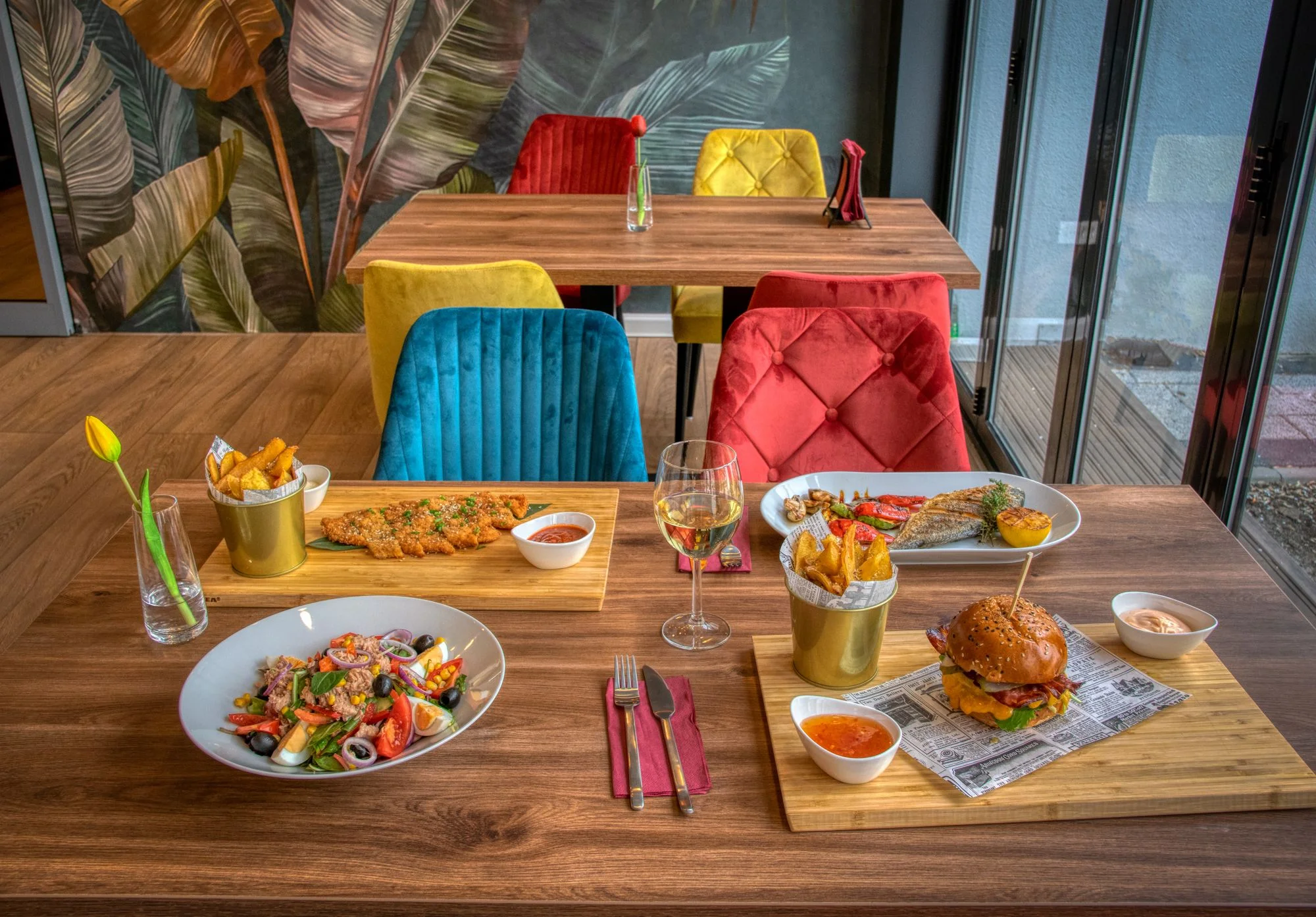
The first thing to understand is that dining in China is built around sharing, not individual plates. Most meals are served family-style: dishes arrive in the center of the table and everyone eats from them with their own chopsticks or a shared spoon. You will rarely get a fixed "one meal on one plate" like you might in a Western restaurant. Instead, you choose several dishes for the whole table, and the bill reflects the group's order.首先要明白,中国的餐桌文化是「共享」而非「一人一盘」。大多数餐食以家庭式上桌:菜摆在桌子中央,大家用自己的筷子或公勺分食。你很少会像在西方餐厅那样拿到「一人一份」的固定套餐。相反,你为整桌点几道菜,账单按全桌点单计算。
Two everyday formats dominate. At a standard restaurant, you are shown to a table, given a paper menu or a QR code, and either flag a server or scan to order. At a street stall or small noodle shop, you often order at the counter and pay on the spot. Both are friendly once you know the rhythm, and neither requires fluent Chinese.最常见的两种形式是:普通餐厅里你会被带到座位,拿到纸质菜单或二维码,然后叫服务员或扫码点单;而在路边摊或小面馆,通常先在柜台点单并当即付款。两种都很亲切,只要掌握节奏,都不需要中文流利。
A useful habit: before you sit down, glance at how other tables are doing it. If everyone is scanning a code on the table, that is your cue to do the same. If a server brings a printed menu, you are in the more traditional flow. Our how-to-pay guide explains the apps behind the QR codes so the whole flow makes sense before you arrive.一个实用的习惯:坐下前先看看其他桌怎么做。如果大家都在扫桌上的码,你就跟着扫;如果服务员递来纸质菜单,说明你走的是更传统的流程。我们的支付操作指南会讲解二维码背后的 App,让你抵达前就彻底明白整个流程。
2 Reading the menu 看懂菜单
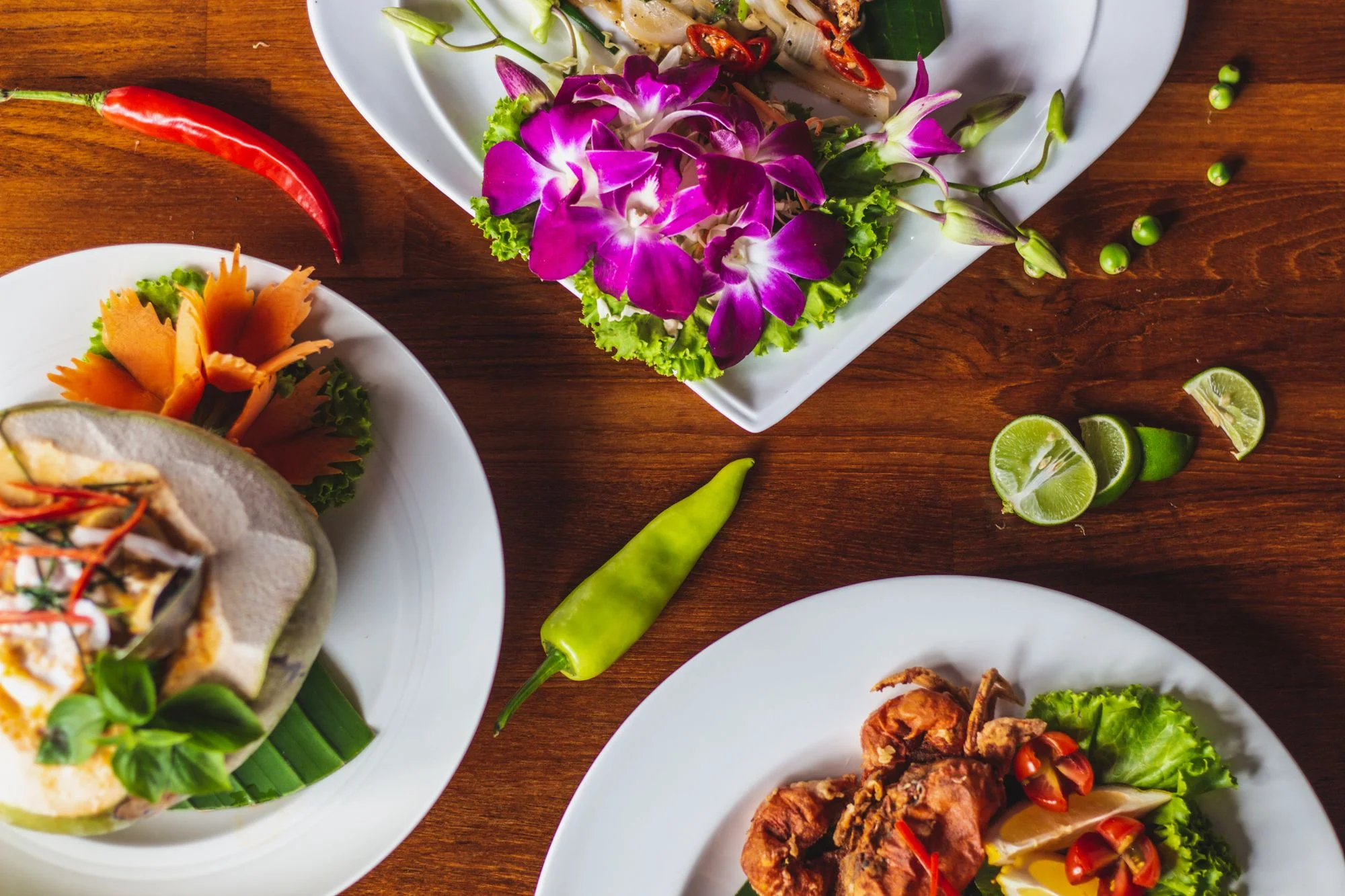
Menus in China are not always in English, and machine translations can be hit-or-miss. The fastest fix is a translation app that reads Chinese characters from your camera — point it at the menu and read the live overlay. Many restaurants also offer a picture menu where every dish has a photo, which removes most of the guesswork even if the words are unfamiliar.中国的菜单不一定有英文,机翻也常常不准。最快捷的办法是用能识别相机中文字的翻译软件——对着菜单扫一下,实时译文就叠在画面上。许多餐厅还提供「图片菜单」,每道菜都有照片,即便文字陌生,也能大致看懂。
A few labels show up everywhere and are worth recognizing:有几处高频标注值得认一下:
- 辣 (là) means spicy; 麻辣 (málà) means numbing-and-spicy (Sichuan style); 微辣 is "mild spice" if you want to dial it down.辣 是「辣」;麻辣 是「麻+辣」(川味);想要降低辣度可以点 微辣。
- 素 (sù) means vegetarian; 清真 (qīngzhēn) marks Halal Muslim cuisine, common in northwest China.素 指素食;清真 是清真(穆斯林)餐,在中国西北很常见。
- 份 (fèn) is a portion; 例汤 (lìtāng) is the house soup; 招牌 (zhāopái) means "signature dish" — a safe bet when undecided.份 是一份;例汤 是本店例汤;招牌 意为「招牌菜」——拿不准时闭眼点它。
If you cannot read a thing, point at a dish on a neighboring table or show a photo from the internet. Staff are used to this and will usually smile and confirm. When in doubt, our etiquette guide for first-timers covers the do-and-don'ts of asking for help.如果还是看不懂,指着邻桌的菜、或拿出网上的照片给店员看即可,服务员见惯了,通常会笑着帮你确认。拿不准时,我们的新手礼仪指南也整理了求助时的注意事项。
3 Ordering like a local 像本地人一样点餐
Once seated, the flow is simple. In app-based restaurants, scan the table's QR code with WeChat or Alipay, pick dishes on your phone, and send the order to the kitchen. In traditional spots, say 服务员 (fúwùyuán) — "server" — to call someone over, or just make eye contact and a small gesture. Order a few dishes per two to three people; locals gauge quantity by "one dish per person, plus a staple" rather than one plate each.落座后的流程很简单。在用 App 的餐厅,扫桌上的二维码,用微信或支付宝在手机上点菜,直接发送到后厨。在传统店面,说一句 服务员(fúwùyuán)「服务员」叫人,或用眼神加一个小手势示意。两三个人点几道菜即可——本地人按「一人一菜、再加一份主食」估算,而不是每人一份。
Tea and water are usually brought first and refilled freely; it is polite to let elders or guests drink first. When a teapot is low, flip the lid open slightly or point at it — a staff member will refill it. These small cues replace the constant "refill, please" you might say at home.茶和白开水通常先上桌并免费续杯;让长辈或客人先喝更得体。茶壶见底时,把壶盖微微掀开或指一下,店员就会来加水。这些小动作,替代了你在老家常说的「麻烦加水」。
Group dinners follow an unspoken order: cold dishes and staples open the meal, hot dishes follow, and a soup or staple closes it. You do not need to follow this exactly, but knowing the rhythm stops you from accidentally ordering five mains and no vegetables. When the meal winds down, someone (often the host) settles the bill — splitting is common among friends, and apps make splitting painless.聚餐有不成文的顺序:凉菜和主食开场,热菜随后,最后以汤或主食收尾。你不必完全照做,但了解节奏能避免「点了五份主菜却没点蔬菜」的尴尬。临近尾声时,通常由一人(往往是请客者)结账——朋友之间也常 AA 分账,App 让分账变得轻松。
4 Paying the bill 结账付款
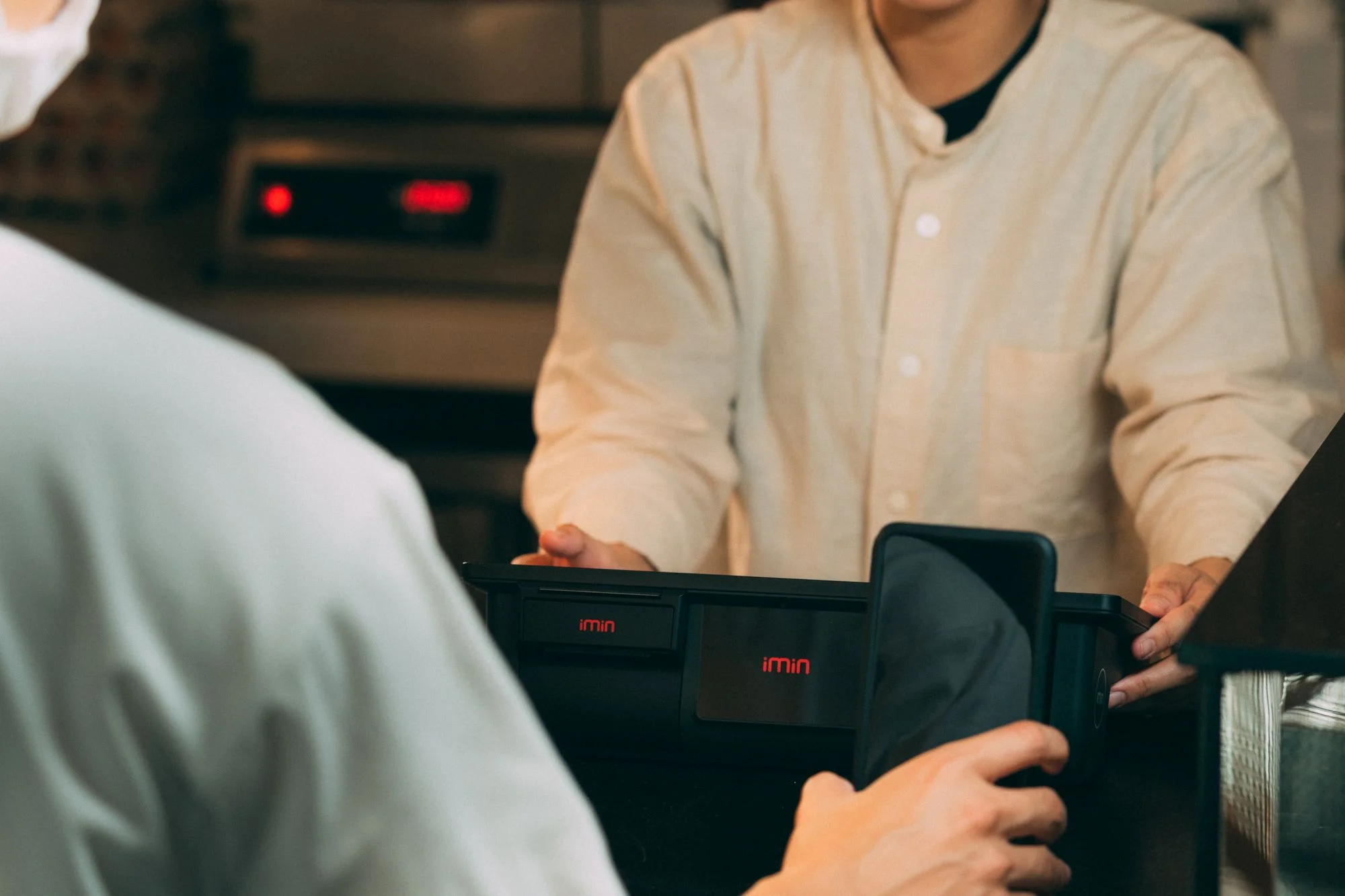
Payment is where China is most different from home. Cash is accepted almost everywhere, but mobile payment runs the show: scan the merchant's QR, or let them scan your payment app. Set up Alipay or WeChat Pay before you land so you are not stuck at the counter. Foreign cards sometimes fail at small shops, so a working app is the reliable path.付款是中国与家乡差异最大的一环。现金几乎到处都收,但移动支付才是主角:扫商户的二维码,或让对方扫你的付款码。出发前先设好支付宝或微信支付,别等到柜台前卡住。外国银行卡在小店偶尔会被拒,所以有一个能用的 App 才是最稳妥的路。
- No tipping.不要给小费。 Tipping is not part of Chinese dining. Leave a tip and a server may chase you to return it, or assume it was a mistake.小费不属于中国餐饮文化。留小费的话,服务员可能会追出来退还,或以为你搞错了。
- Check, please.买单 / 结账。 Say 买单 (mǎidān) or 结账 (jiézhàng) to ask for the bill. Many places show it on the app, so you can pay from your seat.说 买单(mǎidān) 或 结账(jiézhàng) 表示要结账。许多店直接在 App 上显示账单,你可以坐在座位上付。
- Splitting.分账。 Friends split the bill in-app with a few taps; there is no social awkwardness about it.朋友之间在 App 上点几下就能分账,毫无尴尬。
For the full picture — which app to use, how to link a foreign card, and what to do when a scanner rejects you — read our how-to-pay guide. It is the single biggest stress-saver for first-time visitors.想了解全貌——该用哪个 App、如何绑定外卡、扫码被拒怎么办——请读我们的支付操作指南。这是新手最能省心的一件事。
5 Etiquette & common mistakes 餐桌礼仪与常见失误
A handful of habits will keep you comfortable at any table. Use the serving spoon or the clean end of your chopsticks to move food to your bowl rather than reaching across with your own chopstick tips. It is polite to fill others' tea or water before your own. And leaving a little food can signal you are full — finishing every grain can read as "still hungry," which a host may answer with more dishes.几条习惯能让你在任何餐桌都自在。用公勺、或用筷子干净的一端把菜夹到自己碗里,而不是用自己筷子尖横跨桌面去夹。先给别人斟茶倒水,再给自己,更得体。留一点食物表示「吃饱了」——把碗里吃得精光反而会被理解为「还没饱」,主人可能接着加菜。
The most common first-timer mistakes are easy to avoid: don't stick chopsticks upright in a bowl (it resembles incense at funerals), don't tap them on the table, and don't expect a separate check by default. Our etiquette guide for first-timers goes deeper on gestures, toasts (干杯, gānbēi), and photo courtesy if you want the full picture.新手最容易踩的坑很好避免:别把筷子竖直插在碗里(类似祭祀上香)、别用筷子敲桌子、也别默认「各付各的」。想看更完整的手势、敬酒(干杯,gānbēi)和拍照礼仪,可参考我们的新手礼仪指南。
None of this is strict. Chinese hosts are forgiving with visitors, and a smile plus a few phrases goes a long way. The goal is confidence, not perfection.这些都不是硬性规矩。中国主人对外国客人很包容,一个微笑加几句用语就很够用。目标是自信,而非完美。
Frequently asked questions常见问题
No. Tipping is not part of Chinese dining culture. Restaurants include service in the price, and leaving a tip can confuse staff. Simply pay the bill and leave.不需要。小费不是中国餐饮文化的一部分,服务费已含在价格里,留小费反而会让店员困惑。付清账单直接离开即可。
Alipay and WeChat Pay run most transactions, but cash is still accepted almost everywhere. Foreign cards are sometimes declined at small shops, so set up a local payment app before you travel.支付宝和微信支付主导大多数交易,但现金几乎到处都收。外国卡在小店偶尔会被拒,所以出行前先设好本地支付 App。
Say 服务员 (fuwuyuan) to call staff, or scan the table's QR code if the restaurant uses app ordering. Many modern restaurants let you order and pay entirely from your phone.说「服务员(fúwùyuán)」叫人,或者如果餐厅用 App 点单,直接扫桌上的二维码。许多现代餐厅让你全程用手机点餐付款。
Finishing everything can signal the food was not enough. Leaving a small amount is normal and polite; do not feel you must clean your plate.吃光可能表示「还没吃饱」。留一点是正常且得体的,不必非把盘子舔干净。
Not always. Use a translation app that reads Chinese characters, or ask for a picture menu. Pointing at dishes on a nearby table also works well.不一定。用能识别汉字的翻译软件,或要一份图文菜单。指着邻桌的菜也很管用。

Want the offline-first-trip kit?想要离线版首次出行工具包?
The 这份China Travel Essentials 2026China Travel Essentials 2026 kit bundles visa, payments, connectivity, transport, and this guide into one printable checklist you can carry offline, no signal required.工具包把签证、支付、联网、交通和本指南打包成一份可打印清单,可离线携带,无需信号。
Get the guide →获取指南 →Sources & notes来源与说明
This guide links to official and authoritative sources. Rules and prices change, so confirm the current version with the official source before you book.本指南链接官方与权威来源。规定和价格会变,订票前请向官方来源确认现行版本。
- Ministry of Culture and Tourism of China中华人民共和国文化和旅游部National tourism authority and official guidance.国家旅游主管部门与官方指引。
- China National Tourism Administration (official portal)中国旅游官方门户Official travel information for visitors to China.面向来华旅客的官方旅行信息。