

Public Toilets in China 2026: A Field Guide for Visitors2026 中国公共厕所指南:游客实用手册
5 Key Takeaways5 个关键要点
- Carry your own tissues and hand sanitiser, every day, in every city.每天随身带纸巾和免洗洗手液,到哪都带。
- Head for shopping malls first; they are the most reliable option in any city.首选商场,是任何城市里最可靠的选项。
- Look at the pictogram on the door, not the colour of the sign.看门上的图标,不看标志的颜色。
- On a travel day, the high-speed train is your best bet for a clean washroom.交通日最好用的就是高铁上的厕所。
- If stuck, walk into any hotel lobby or large chain cafe. Nobody will ask.实在找不到时,进任何酒店大堂或大型连锁咖啡馆,没人会问。
1 The one thing to carry 随身带的东西
Carry tissues and hand sanitiser. Every day. In every city.随身带纸巾和免洗洗手液。每天都带,到哪都带。
Many public toilets in China do not supply paper, and soap is not guaranteed. Dispensers are common in big malls, airports and large stations, and a lot of other places have nothing. A small tissue pack in your pocket turns a potential disaster into a non-event.中国很多公共厕所不提供卫生纸,肥皂也未必有。大商场、机场和大型车站里通常有感应或分配器,但很多其他地方什么都没有。口袋里塞一小包纸巾,能把潜在的麻烦变成一件不起眼的小事。
A small bottle of hand sanitiser matters just as much. Soap is not always refilled. Treat it as the single most useful thing you will carry.一小瓶免洗洗手液同样关键。肥皂不一定能续上。把它当成你行李里最有用的一样东西。
2 Where to actually go, ranked 去哪里找,按可靠度排
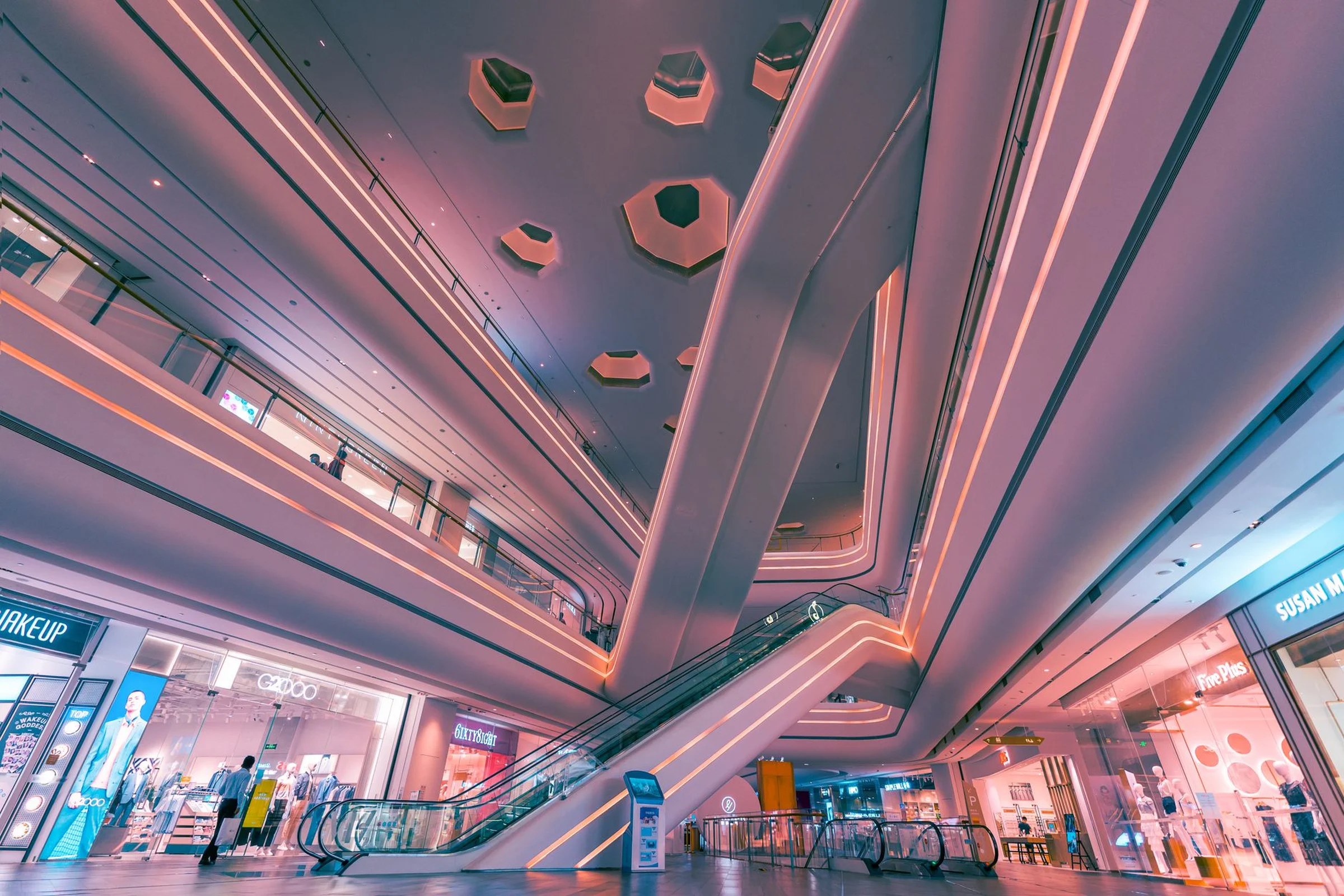
Shopping malls first. They are the most reliable option and usually the best maintained, and this is where most visitors end up going, even when they had not planned to shop. Malls are air-conditioned, in every neighbourhood, and you can walk in and out without buying anything.首选商场。商场是最可靠的,也通常是维护最好的,大多数游客最后都会去那里,哪怕本来没打算购物。商场有空调,每片街区都有,进去上完厕所走出来,不买东西也没人拦你。
- Shopping malls.商场。 First choice, easiest to find, usually the cleanest.
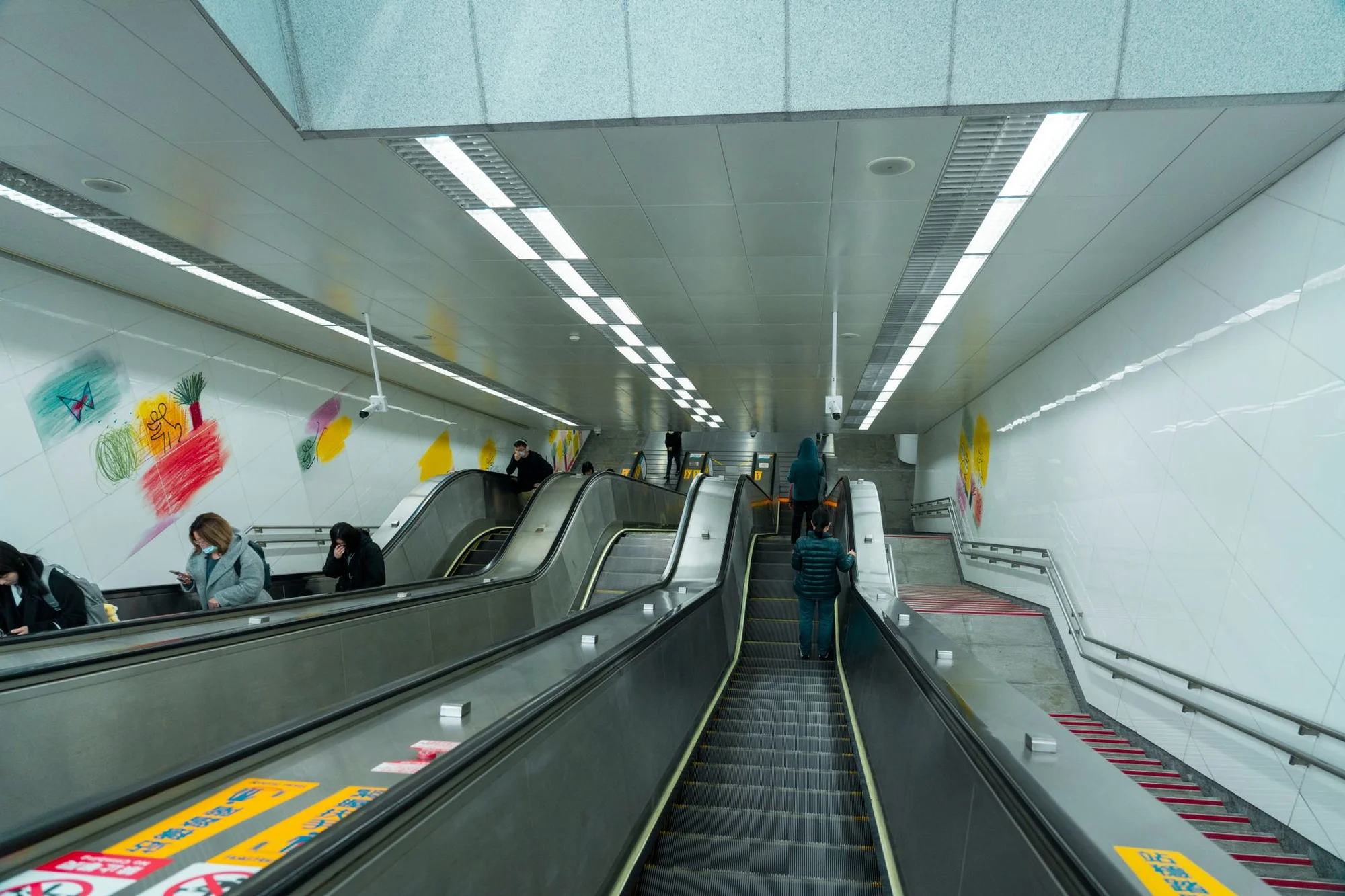
- Metro stations.地铁站。 Good option. Use the one before the gates if you are not paying to enter.
- Supermarkets and convenience stores.超市与便利店。 Ask staff. They will point you in the right direction.
- Fast-food and large coffee chains.快餐与大型连锁咖啡馆。 Reliable, usually sit-down, and free to use the washroom.
- Parks, stations, hospitals, scenic sites.公园、车站、医院、景区。 All have them, and quality varies wildly.
Most are free. Carry a little change anyway, because you will occasionally meet one that is not. Some older city parks and a few private places still ask for one or two yuan.多数是免费的。但还是带点零钱,因为你偶尔会碰到收费的。一些老城区的公园和个别私人场所还要收一两元。
3 Squat or sit-down, and how to tell 蹲便还是坐便,怎么看
Two cubicle types. The squat pan is set into the floor, 蹲便器 (dūn biàn qì). The sit-down bowl looks like what you have at home, 坐便器 (zuò biàn qì). Public facilities in China are mostly squat. If you have never used one, it is a short learning curve, not a problem. Face the hood, feet on the treads, trousers down to a safe height, and hold your bag.两种厕位。蹲便器嵌在地面,坐便器和家里用的那种一样。中国公共厕所里多数是蹲便。如果你没用过,这是个小学习曲线,不算问题。面朝挡板,脚踩两侧的脚位,裤子退到安全高度,包拎好。
The trick to telling which is which is the door pictogram, not the colour of the sign. Red and blue toilet signs are not a reliable code across the country, and some doors use only drawings. Trust the picture.看是哪一种的方法,是看门上的图标,不是看标志的颜色。全国各地的红蓝配色不是一致的标志码,有些门上只有图案。看图案最准。
4 Reading the signs 看懂厕所标志
Three words all mean toilet or washroom. 卫生间 (wèi shēng jiān), 洗手间 (xǐ shǒu jiān), and 厕所 (cè suǒ). All three are used, in cities and in smaller towns. Men is 男 (nán), women is 女 (nǚ). Many places skip the words entirely and use only the pictogram of a person, so do not wait for English.三个词都指厕所或洗手间。卫生间、洗手间、厕所,城市和小城镇都在用。男是「男」,女是「女」。很多地方甚至只用小人图标,连汉字都没有,所以别等英文。
One habit helps more than memorising characters. Screenshot these three words plus the men's and women's marks before you fly. Signal is not guaranteed underground, and standing in a station corridor trying to match strokes to a sign is not a good use of your afternoon.比记汉字更管用的一招是:出发前把这三个词和男女标识截图存好。地下信号不一定稳,在地铁走廊里对着标志比笔画,不该是你旅途的一部分。
无障碍 (wú zhàng ài) is the word for accessible. Look for it on the door or on a separate sign near the regular cubicles. Bigger stations and newer malls have these. Smaller places do not.「无障碍」就是 accessible 的意思。门牌上或者普通厕位旁边的单独标志上找这个词。大车站和较新的商场里都有,小地方不一定。
5 On trains, highways and in small towns 火车、高速、小城镇
High-speed trains have both squat and sit-down toilets, and they carry paper more often than street facilities do. That makes the train the best toilet of the day on a travel day. Get on, go early, and you are set.高铁上有蹲便和坐便两种,纸也比街头的厕所更常备。在交通日,高铁就是当天最体面的厕所。上车后早点去,后面就踏实了。
Long-distance coaches are a different story. Highway service stops have squat, pit style facilities, and they are basic. When the driver announces a stop, go. Even if you do not think you need to. The next stop may be hours away.长途大巴是另一回事。高速服务区是蹲坑式厕所,条件很基础。司机一报停,就去。哪怕当时不急。下一站可能是几个小时之后。
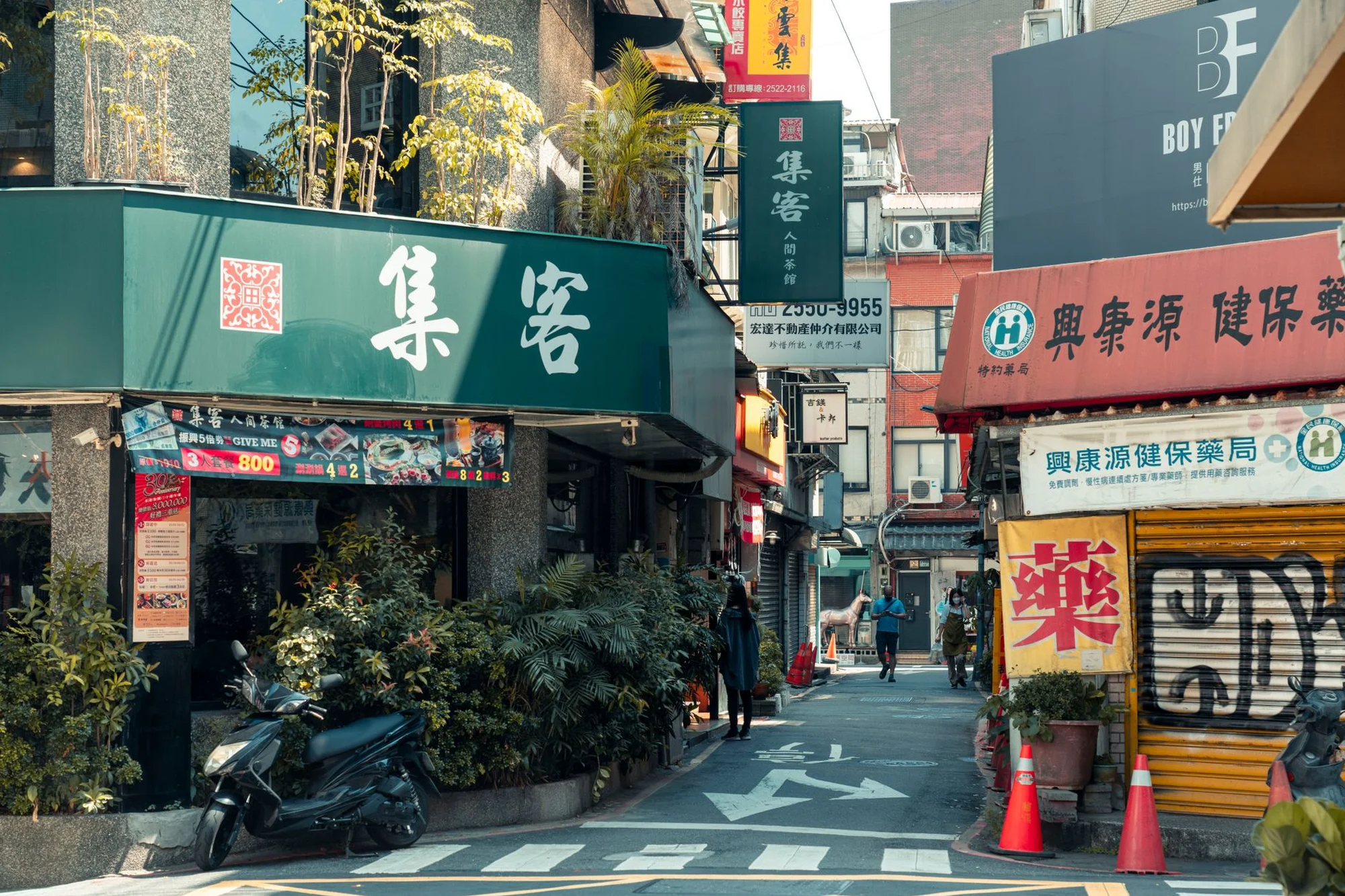
Small towns and older buildings are where standards drop fastest. Lower your expectations, and remember the fallback: any hotel lobby, any shopping mall, any large chain cafe will let you use the washroom.小城镇和老建筑里的厕所,标准掉得最快。调低预期,记好一条退路:任何酒店大堂、任何商场、任何大型连锁咖啡馆,都可以用洗手间。
If you are taking a long train journey, our high-speed rail guide高铁指南 has the booking and seat tips for the trip.如果你要坐长程火车,我们的「高铁指南」有订票和座位相关的实用内容。
6 Accessibility and kids 无障碍与带娃
Newer malls, airports, big stations and large tourist sites usually have an accessible cubicle and often a baby-change table. Older buildings and small towns much less so. If you need step-free access or a changing table, plan your day around the big malls and the main stations. Treat everything else as a bonus.较新的商场、机场、大车站和大景区,通常有无障碍厕位,也常常有母婴台。老建筑和小城镇里少得多。如果你需要无台阶通道或换尿布台,把行程围绕大商场和大车站来排。其他地方能遇到就是赚到。
For kids, the squat pan is the hard part. A small child cannot squat safely without a hand to hold, and the floor gets wet. Head for the accessible cubicle or a sit-down bowl in a mall, where there is space and something to grip.带孩子时,蹲便器是最难的部分。小孩子没有扶手蹲不稳,地又湿。去找无障碍厕位或者商场里的坐便,那里空间够大、也有东西可抓。
7 The small etiquette that matters 几个小礼仪
Some doors do not latch properly. Some cubicles have no hook on the back. Keep your bag on your shoulder and your phone in a zipped pocket. Do not set anything on the floor.有些门闩不住。有些隔间门后没有挂钩。包背肩上,手机放有拉链的口袋,不要把任何东西放在地上。
Queue if there is a line, and do not hold a place for three friends. In a pinch, walk into any hotel lobby, any shopping mall, or any large chain cafe and use the washroom. Nobody will ask you anything. Nobody will stop you.有队就排,不要帮三个人占位。实在找不到,背街进任何酒店大堂、任何商场、任何大型连锁咖啡馆,用洗手间,没人会拦你,没人会问。
Do not photograph people in or around a public toilet. It is a bathroom, treat it like one at home, and the rest of the day stays easy.不要拍厕所里或周围的人。厕所就是厕所,按家里的规矩来,一整天都会顺。
Frequently asked questions常见问题
Almost always, yes. A few older city parks and a few private places still ask for one or two yuan, so carry a little change, but expect free as the default.几乎都是免费的。少数老城区的公园和个别私人场所还会收一两元,所以带点零钱,但默认是免费。
Yes. Many public toilets do not supply paper at all, and even where there is a dispenser, it may be empty. A small tissue pack in your pocket is the single most useful thing you carry.要。中国很多公共厕所根本不提供纸,即便有分配器也可能空着。口袋里塞一小包纸巾,是你行李里最有用的一样东西。
Mostly squat. Newer malls, airports, big stations and large tourist sites usually have some sit-down cubicles as well. Older buildings and small towns are almost all squat.以蹲便为主。较新的商场、机场、大车站和大景区,通常也有少量坐便。老建筑和小城镇几乎全是蹲便。
The three common words are 卫生间 (wèi shēng jiān), 洗手间 (xǐ shǒu jiān) and 厕所 (cè suǒ). Screenshot them before you fly, since many doors use only a pictogram and not the words.常见三个词是卫生间、洗手间、厕所。出发前截图存好,因为很多门上只有图标,没有汉字。
It means accessible. The accessible cubicle is the one you want if you have a wheelchair, a stroller, mobility aids, or just a small child who needs space. Bigger stations and newer malls have these, smaller places do not.就是 accessible(无障碍)的意思。你需要轮椅、婴儿车、行动辅具,或者只是带小孩需要空间,都去找无障碍厕位。大车站和较新的商场里都有,小地方不一定。
Yes. Walk into any hotel lobby, any shopping mall, or any large chain cafe and use the washroom. Nobody will ask you anything. Nobody will stop you.可以。背街进任何酒店大堂、任何商场、任何大型连锁咖啡馆,用洗手间,没人会拦你,没人会问。
Yes. Each carriage has one at the end, with both squat and sit-down options on most services, and paper more often than street facilities. The train is your best washroom on a travel day.有。每节车厢末端有厕所,大多数车次是蹲便和坐便两种都有,纸也比街头的常备。交通日最好用的就是车上的厕所。
They are squat, pit style facilities, and basic. When the driver announces a stop, go even if you do not think you need to. The next stop may be hours away.是蹲坑式厕所,条件基础。司机一报停就去,哪怕当时不急,下一站可能是几个小时之后。
In newer malls, airports, big stations and large tourist sites, yes. In older buildings and small towns, much less so. Plan your day around the bigger places if you need either.较新的商场、机场、大车站和大景区里都有。老建筑和小城镇里少得多。如果需要,提前把行程围绕大的场所来排。
It varies. Newer malls, airports, big stations and large tourist sites are usually fine. Older buildings, small-town stops and basic service areas are rougher. The habits that make the whole topic easy are to carry your own tissue and head for the better-maintained places first.看地方。较新的商场、机场、大车站和大景区通常没问题。老建筑、小城镇的站点和基础服务区就粗糙一些。把整件事变简单的习惯是:自带纸巾、首选维护好的场所。
Some cubicles do not have a hook. Keep your bag on your shoulder or between your feet, and your phone in a zipped pocket. Do not set anything on the floor.有些隔间没有挂钩。把包背肩上或夹在两脚之间,手机放有拉链的口袋,不要把任何东西放在地上。

Want the offline-first-trip kit?想要离线版首次出行工具包?
The 这份China Travel Essentials 2026China Travel Essentials 2026 kit bundles visa, payments, connectivity, transport, and this guide into one printable checklist you can carry offline, no signal required.工具包把签证、支付、联网、交通和本指南打包成一份可打印清单,可离线携带,无需信号。
Get the guide →获取指南 →Sources & notes来源与说明
This guide links to official and authoritative sources. Rules and prices change, so confirm the current version with the official source before you book.本指南链接官方与权威来源。规定和价格会变,订票前请向官方来源确认现行版本。
- China Trip Plans, Drinking Water in China 2026China Trip Plans,「2026 中国饮用水」Daily hygiene and water habits that pair with washroom use.与公共厕所使用相配合的日常卫生与饮水习惯。
- China Trip Plans, Your First 24 Hours in ChinaChina Trip Plans,「抵达中国后 24 小时」The arrival routine that includes where to find a washroom.包含去哪里找洗手间的抵达流程。
- China Trip Plans, China High-Speed Rail Guide 2026China Trip Plans,「2026 中国高铁指南」Train toilets and what to expect on a travel day.高铁上的厕所,以及交通日要预期的事。
- Shanghai Municipal Government, English portal上海市人民政府英文官网City-level public services and visitor information.市级公共服务与游客信息。
- Ministry of Culture and Tourism of China中华人民共和国文化和旅游部National tourism authority and visitor guidance.国家旅游主管部门与游客指引。