


China Travel Budget 20262026 中国旅行预算
5 Key Takeaways5 个关键要点
- Budget ¥225-530/day backpacker, ¥695-1,390 comfort, ¥2,190+ luxury (per person, excl. flights).预算:背包客每天 225-530 元,舒适型 695-1,390 元,奢华型 2,190 元以上(每人,不含机票)。
- Accommodation and food swing the most; trains, metros, and museums stay cheap.住宿和餐饮浮动最大;火车、地铁和博物馆一直很便宜。
- Bind a foreign card to Alipay or WeChat Pay to pay like a local and often cheaper.把外币卡绑定支付宝或微信支付,像本地人一样付款,往往还更便宜。
- High-speed rail is the best value; book popular routes early through Trip.com.高铁最超值;热门线路提前通过 Trip.com 订。
- Set up visa, payments, and connectivity before you fly to avoid surprise costs.出发前搞定签证、支付和上网,避免意外开销。
1 Plan your budget before you book 订票前先把预算算清
China rewards planning. A trip that feels expensive when booked on impulse can be surprisingly affordable once you know the real price ranges for hotels, trains, and meals. The first move is to set a daily budget that matches your style, then build the rest around it.中国很适合提前规划。一笔冲动下单时显得昂贵的旅行,一旦摸清酒店、火车和餐饮的真实价格区间,往往会意外地划算。第一步是定一个符合你风格的每日预算,再围绕它安排其余开销。
Most visitors land in one of three bands: the backpacker who rides the metro and eats street food, the comfort traveler who picks a mid-range hotel and the occasional nice dinner, and the luxury traveler who flies business and stays in five-star towers. Our budget tool below turns those bands into a real number for your dates and cities.大多数游客落在三档之一:背包客坐地铁、吃小吃;舒适型选中等酒店、偶尔吃顿好的;奢华型坐商务舱、住五星高楼。下面的预算工具会把这几档,按你的出行日期和城市,换算成一个真实数字。
2 A realistic cost breakdown for 2026 2026 各项真实花费
Here is what a typical day costs at each level, per person. These are street-level ranges from 2026 traveler reports, not hotel rack rates, and they exclude international flights to China.以下是每人每天在各档位的大致花费。这些是来自 2026 年旅行者报告的街头实价区间,不是酒店挂牌价,也不含往返中国的国际机票。
| Category类别 | Backpacker背包客 | Comfort舒适 | Luxury奢华 |
|---|---|---|---|
| Accommodation住宿 | ¥80-200 | ¥300-600 | ¥1000+ |
| Food餐饮 | ¥50-100 | ¥150-300 | ¥500+ |
| Local transport本地交通 | ¥20-50 | ¥50-100 | ¥150+ |
| Attractions & entries景点门票 | ¥30-80 | ¥80-150 | ¥200+ |
| SIM / eSIM dataSIM / eSIM 流量 | ¥15-40 | ¥15-40 | ¥40+ |
| Misc (snacks, souvenirs)杂项(小吃、纪念品) | ¥30-80 | ¥100-200 | ¥300+ |
| Daily total每日合计 | ¥225-530 | ¥695-1390 | ¥2190+ |
Notice that accommodation and food swing the most. Sights, museums, and metro rides are genuinely cheap, so the place you save is usually the bed and the plate, not the ticket.注意,住宿和餐饮的浮动最大。景点、博物馆和地铁都相当便宜,所以真正能省的地方通常是住宿和吃饭,而不是门票。
3 Where your money goes: accommodation 钱花在哪:住宿
Hostels and guesthouses start around ¥80 a night and are a great base if you are solo and social. Budget hotel chains (think Home Inn, 7 Days, HanTing) give you a clean private room with a real bed and a hot shower for ¥150-400, and they sit within walking distance of metro lines in most cities.青旅和民宿一晚约 80 元起,如果你独自出行又爱社交,是很棒的落脚点。经济型酒店连锁(如家、7 天、汉庭)能给你一间干净的独立房、真正的床和热淋浴,约 150-400 元,而且大多在城市地铁线步行范围内。
Step up to a four- or five-star international hotel and you are in ¥800-2000 territory, with pools, gyms, and concierge help in English. Book these a few weeks out: the same room can swing ¥400 day to day with demand.升到四星或五星国际酒店,价格就到了 800-2000 元区间,有泳池、健身房和会说英文的礼宾。这类房建议提前几周订:同一间房会随需求在一天内浮动 400 元。
- Stay near a metro line.住地铁线附近。A room two stops from the center but on a metro line often costs half a central one and still gets you downtown in 15 minutes.距市中心两站、却在地铁线上的房间,价格常只有市中心的一半,15 分钟仍能到 downtown。
4 Food: eat well on any budget 餐饮:任何预算都能吃好
Food is where China shines. A bowl of noodles or a plate of dumplings at a local spot is ¥15-35. A sit-down restaurant with shared dishes runs ¥50-90 per person. Even a nice tasting menu at a well-regarded restaurant rarely tops ¥300 a head, and street food keeps the floor even lower.餐饮是中国最出彩的地方。本地一碗面或一盘饺子 15-35 元。正经餐馆点几道菜分享,每人约 50-90 元。即便在口碑好的餐厅吃一套品鉴菜单,也很少超过每人 300 元;而街头小吃能把底线压得更低。
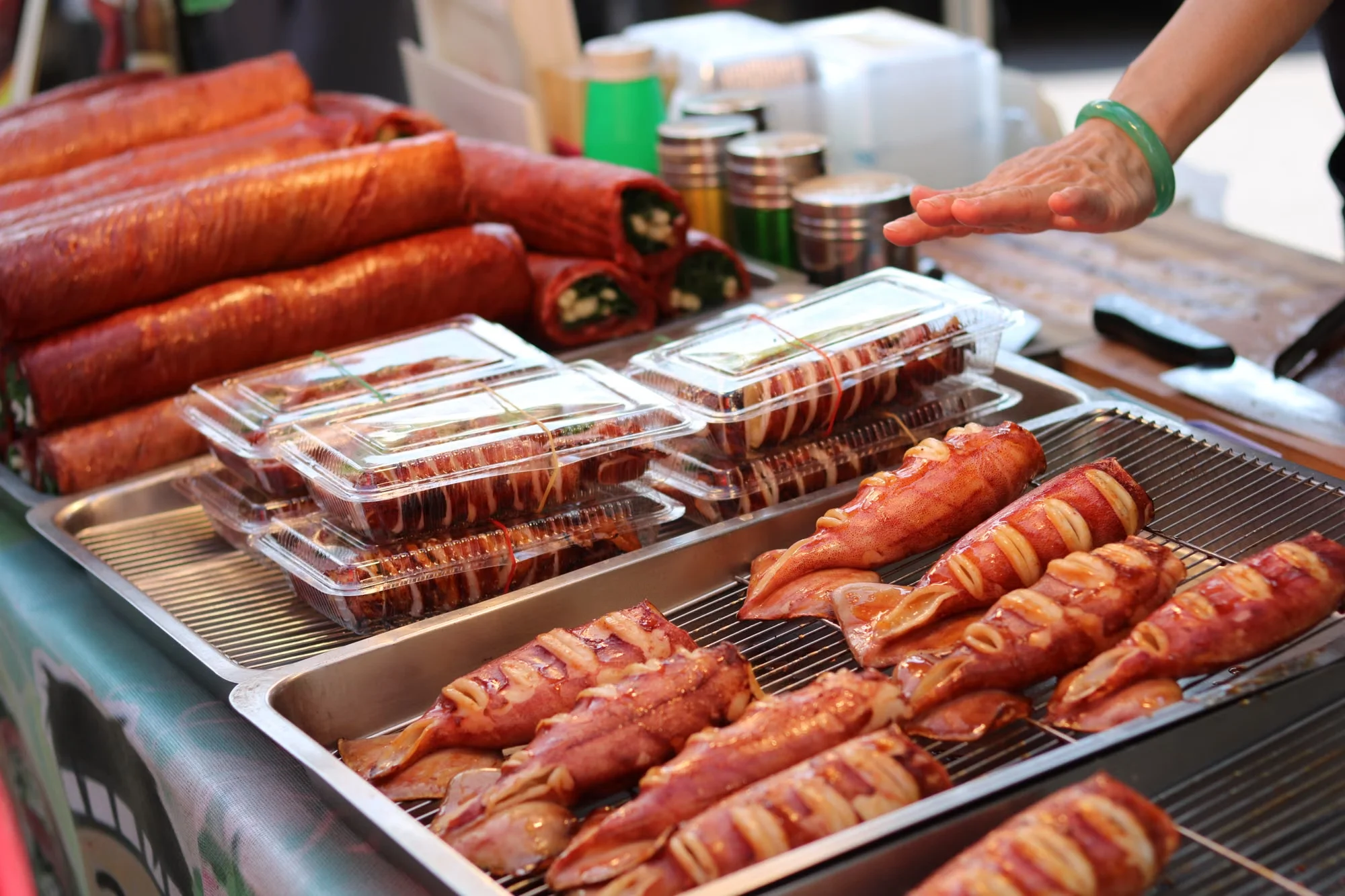
The trick is mix and match: street snacks for lunch, a lively restaurant for dinner, and one splurge meal to remember. You will eat far better for ¥200 a day than you would for twice that in many Western cities.诀窍是混搭:午餐吃街头小吃,晚餐去热闹的馆子,再安排一顿值得回味的奢侈餐。每天花 200 元,你吃到的东西会比许多西方城市花两倍还好吃。
5 Getting around: trains, metros, taxis 出行:火车、地铁与出租车
China's high-speed rail is the best travel value going. Short hops start around ¥50, and even a 1000 km cross-country sprint is often ¥400-550 in second class, faster and cheaper than flying once you add airport time. Metro systems in every major city cost ¥2-7 a ride.中国高铁是当下最超值的出行方式。短途约 50 元起,即便是 1000 公里跨省飞驰,二等座也常只要 400-550 元,算上往返机场的时间,比飞机更快更便宜。各大城市地铁每程 2-7 元。
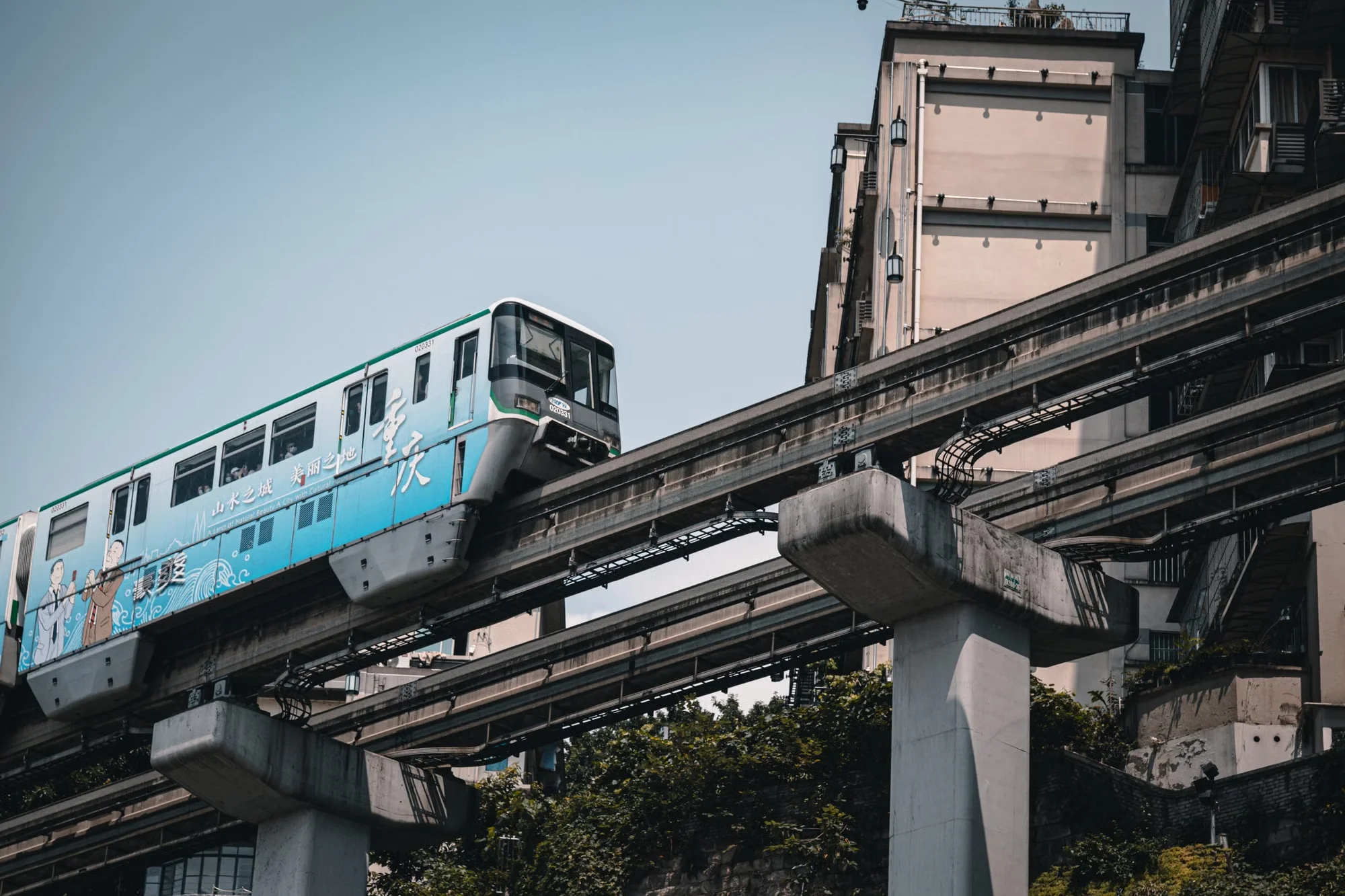
Taxis and ride-hailing (DiDi) are cheap by global standards: a cross-town trip is usually ¥20-50. For airport runs and longer hauls, book ahead so you are not bargaining on arrival wifi.出租车和网约车(滴滴)按全球标准都很便宜:横穿市区通常 20-50 元。机场接送和长途建议提前订,免得落地后在机场 WiFi 下讨价还价。
- Book trains early.提前订火车票。High-speed rail sells out on holidays; reserve seats through 高铁在节假日会售罄;出发前通过 Trip.com before you fly so popular routes are locked in.订好座位,热门线路才有着落。
6 Visa, SIM, and the setup costs nobody mentions 签证、SIM 卡,以及没人提起的准备成本
Three costs sneak up on first-timers. A tourist (L) visa typically runs about US$30-140 for a single entry depending on your nationality and where you apply; 240-hour transit and some visa-free routes cost nothing but still need planning. A local eSIM or SIM is ¥40-150 for a week of data. And travel insurance, while optional, is a few dollars that protects a trip worth thousands.有三笔开销会悄悄找上第一次来的人。旅游(L)签证单次入境通常约 30-140 美元,取决于国籍和申请地点;240 小时过境和部分免签路线免费,但仍需规划。本地 eSIM 或 SIM 卡一周流量约 40-150 元。旅行保险虽非必须,却是几美元换来对价值数千美元行程的保障。
- Visa.签证。 Most visitors need clarity on entry rules before anything else. Several nationalities now qualify for visa-free or 240-hour transit stays, but it depends on your passport. Our 大多数旅客首先要把入境规定弄明白。部分国家护照已可免签或享受 240 小时过境免签,但取决于你的国籍。我们的 China visa guide中国签证指南 walks through it with a free eligibility checker.附带免费的资格查询工具,一步步讲清楚。
- Payments.支付。 Bind a foreign card to Alipay or WeChat Pay before you land and most payments become a simple QR scan. Our 落地前把外币卡绑定到支付宝或微信支付,之后绝大多数付款都只需扫个二维码。我们的 how-to-pay guide支付操作指南 has the step-by-step.有详细的分步讲解。
- Connectivity.联网。 An eSIM or local SIM means maps, translation, and ride-hailing work the moment you arrive. Our eSIM 或本地 SIM 卡能让你一落地就能用地图、翻译和打车。我们的 eSIM vs SIM vs roaming guideeSIM、SIM 与漫游对比指南 helps you choose.帮你选。
Handle these three before you fly and you avoid the classic surprise: arriving to find you cannot pay, cannot get online, or are not sure your entry is valid. The setup is cheap; the peace of mind is the real bargain.出发前把这三件搞定,就能避开经典惊吓:落地发现付不了钱、上不了网,或拿不准自己入境是否合规。准备成本很低,真正划算的是那份安心。
7 Money-saving tricks that actually work 真正管用的省钱诀窍
Travel off-peak. Spring (April-May) and autumn (September-October) have the best weather and, outside Golden Week, the lowest prices. Avoid the first week of October and the Spring Festival rush, when hotels double and trains vanish.错峰出行。春季(4-5 月)和秋季(9-10 月)天气最好,且除黄金周外价格最低。避开 10 月第一周和春节返乡潮,那时酒店翻倍、火车票一票难求。
Use city transit passes and free museums. Most city museums are free or nearly so; many parks cost nothing. A metro card or day pass beats taxis for sightseeing. And always pay with Alipay or WeChat Pay, where small merchants often price a touch lower than card.用城市交通卡和免费博物馆。多数城市博物馆免费或近乎免费;许多公园不收钱。观光用地铁卡或日票比打车划算。付款一律用支付宝或微信支付,小商户往往比刷卡定价略低。
- Pay like a local.像本地人一样付款。Bind a foreign card to Alipay or WeChat Pay before you land; many small shops price a little lower for mobile payment than for cards.落地前把外币卡绑定到支付宝或微信支付;许多小店对移动支付的定价比刷卡略低。
8 Sample budgets: backpacker, couple, family 预算样例:背包客、情侣、家庭
Put it together and a 10-day trip for one looks like this: the backpacker at ¥250-500 a day spends ¥2,500-5,000 all-in (land, not flights). The comfort traveler at ¥700-1,400 a day lands near ¥7,000-14,000. Double the room for two people and a couple often pays only 30-40% more than one, because the bed is shared but the noodles are not.把账算在一起,10 天单人行程大致如此:背包客每天 250-500 元,合计(不含国际机票)2,500-5,000 元。舒适型每天 700-1,400 元,落在 7,000-14,000 元。两人合住一间房,情侣的总花费通常只比单人多 30-40%,因为床是共享的,面却不是。
Families scale differently: kids under a certain height ride trains and enter many attractions free, and shared rooms split the biggest cost. A family of four can often travel for not much more than twice a solo comfort budget, especially if the kids share with parents.家庭的算法不同:身高低于一定标准的孩子坐火车、进许多景点免费,合住房间又摊掉了最大一笔开销。一家四口的花费通常只比单人舒适预算的两倍多一点,尤其当孩子跟父母同住时。
The takeaway is simple: pick your band, lock the big costs early, and let street food and free museums do the rest. China is one of the rare places where traveling well and traveling cheap are almost the same thing.结论很简单:选好你的档位,早点锁定大头开销,剩下的交给街头小吃和免费博物馆。中国是为数不多「玩得好」与「花得省」几乎是一回事的地方。
Frequently asked questions常见问题
Per person, a backpacker spends about ¥225-530 a day, a comfort traveler ¥695-1,390, and a luxury traveler ¥2,190 or more. These ranges cover food, lodging, local transport, and sights but exclude international flights and the visa fee.每人每天,背包客约花 225-530 元,舒适型 695-1,390 元,奢华型 2,190 元或更多。这些区间含餐饮、住宿、本地交通和景点,但不含国际机票与签证费。
It depends on your style. Food, trains, metros, and museums are cheaper than in the US or Western Europe, so daily living costs stay low. The big variables are your hotel tier and how often you book business-class flights and five-star rooms.取决于你的玩法。餐饮、火车、地铁和博物馆都比美国或西欧便宜,所以日常开销很低。最大的变量是你的酒店档位,以及你多常订商务舱机票和五星房间。
Yes, at hotels, large malls, and big supermarkets, where tapping a foreign Visa or Mastercard is routine. But most everyday spending, from dumplings to the metro, runs on Alipay or WeChat Pay. Bind a foreign card to one of them before you land so you can pay with a QR scan.能,在酒店、大商场和大型超市,刷外币 Visa 或 Mastercard 是很平常的事。但大多数日常消费,从饺子到地铁,都走支付宝或微信支付。落地前把外币卡绑定其中一家,之后扫二维码就能付。
Short regional hops start around ¥50, and a 1000 km cross-country trip in second class is often ¥400-550. First class and sleeper cars cost more. Fares are posted on the official China Railway site (12306.cn) and on booking apps.短途区域线路约 50 元起,1000 公里跨省的二等座常只要 400-550 元。一等座和卧铺更贵。票价公布在铁路官方 12306.cn 及订票 App 上。
Bring a small amount of RMB, a few hundred yuan, for temples, rural shops, street snacks, and the occasional taxi that prefers paper. Alipay and WeChat Pay cover most payments once you bind a foreign card, and international cards work at hotels and large stores.带少量人民币,几百元即可,用于寺庙、乡村小店、街头小吃,以及少数更收现金的出租车。把外币卡绑定后,支付宝和微信支付能覆盖大多数消费;国际银行卡在酒店和大商店也能用。
A single-entry tourist (L) visa typically runs about US$30-140, depending on your nationality and where you apply. Some nationalities qualify for visa-free entry or 240-hour transit stays that cost nothing, but still need planning. Check the current rules for your passport before you book.单次入境旅游(L)签证通常约 30-140 美元,取决于国籍和申请地点。部分国家可免签或享受 240 小时过境免签,免费但仍需规划。订票前先查清你护照的现行规定。

Want the offline-first-trip kit?想要离线版首次出行工具包?
The 这份China Travel Essentials 2026China Travel Essentials 2026 kit bundles visa, payments, connectivity, transport, and this guide into one printable checklist you can carry offline, no signal required.工具包把签证、支付、联网、交通和本指南打包成一份可打印清单,可离线携带,无需信号。
Get the guide →获取指南 →Sources & notes来源与说明
This guide links to official and authoritative sources. Rules and prices change, so confirm the current version with the official source before you book.本指南链接官方与权威来源。规定和价格会变,订票前请向官方来源确认现行版本。
- National Bureau of Statistics of China中国国家统计局Official price-level and cost-of-living data.官方物价水平与生活在成本数据。
- China Railway (12306)中国铁路 12306Official high-speed rail fares and schedules.官方高铁票价与时刻表。
- National Immigration Administration of China国家移民管理局Official visa and entry rules.官方签证与入境规定。
- China Visa Guide 2026 (our guide)中国签证指南 2026(本站指南)Step-by-step visa and eligibility help.分步签证与资格指引。
- How to Pay in China 2026 (our guide)2026 中国支付指南(本站指南)Bind a card to Alipay or WeChat Pay before you fly.出发前把卡绑定到支付宝或微信支付。