
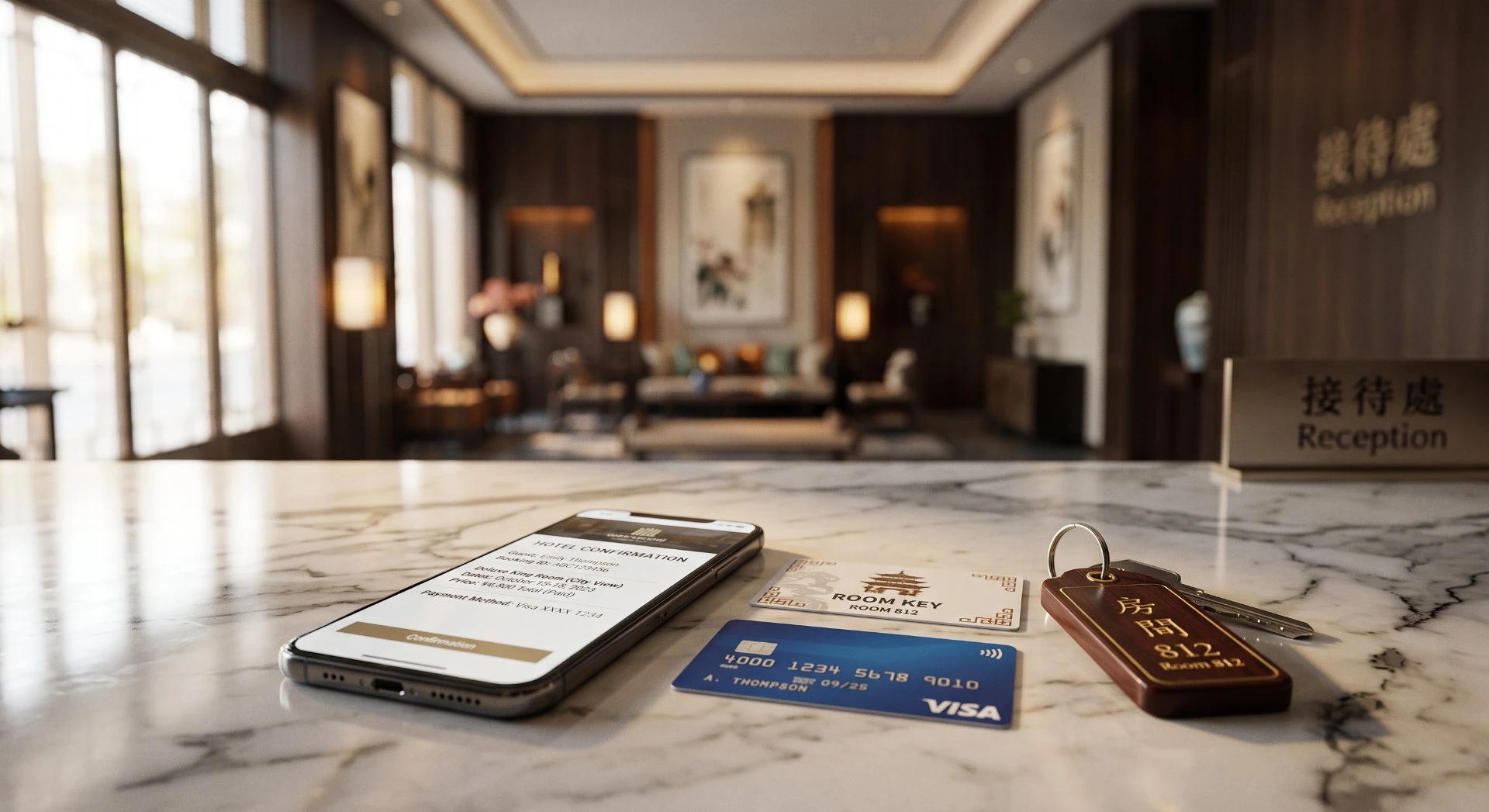

How to Pay in China 2026: Alipay, WeChat, Cash & Cards2026 外国人在华支付全攻略:支付宝、微信支付、现金与银行卡
5 Key Takeaways5 个关键要点
- Set up Alipay and WeChat Pay before you fly — together they cover roughly 90% of payments in China.出发前装好支付宝和微信支付——两者合计覆盖中国约 90% 的支付场景。
- You can now bind a Visa, Mastercard, AmEx or JCB card to both apps; a ~3% fee applies on most transactions.现在可将 Visa、万事达、运通或 JCB 卡绑定到这两个 App;多数交易收取约 3% 手续费。
- China is QR-code first. Small shops, taxis, markets and street food are mobile-only — carry no cash expectation there.中国以扫码支付为主。小店、出租车、菜市场和路边摊只收手机支付——别指望现金。
- Bring a small cash buffer (¥300-500) and one physical international card as a fallback.备一点现金(约 ¥300-500)和一张实体国际银行卡作为应急。
- Foreign cards work at big hotels, international stores and ATMs — but watch for the 3% app fee and dynamic currency conversion.国际银行卡在大型酒店、国际商店和 ATM 可用——但注意 3% 的 App 手续费与动态货币转换。
Overview概述
Here's what this guide covers:以下为主要内容:
A practical, myth-busting playbook for paying in China as a foreigner in 2026: how the QR-code economy works, exactly how to bind a foreign card to Alipay and WeChat Pay, the real fee rules, how much cash to bring, tax refunds, and the scams worth avoiding. Each step is written for first-time visitors who don't speak Chinese.一份务实、破除迷思的 2026 年外国人在华支付实战手册:扫码经济如何运作、如何把外国卡绑定到支付宝和微信支付、真实的收费规则、该带多少现金、退税,以及值得防范的骗局。每个步骤都专为不会中文的首次访客编写。
The short answer简短答案
Best for:适合: First-time visitors who want one reliable way to pay everywhere without opening a Chinese bank account.想要一种可靠方式、无需开中国银行账户即可随处付款的首次访客。
Think twice if:不适合: You refuse to install any app — rural areas and tiny vendors will be awkward, though card + cash still get you by.你拒绝安装任何 App——偏远地区和迷你小店会不方便,但用卡加现金仍可应对。
China is one of the world's most cashless societies, but paying here works nothing like home. The short version of 中国是全球最无现金化的社会之一,但这里的支付方式与家乡截然不同。关于how to pay in China as a foreigner外国人在华如何支付 in 2026: install two apps before you fly — Alipay and WeChat Pay — and you'll cover roughly 90% of situations. Add a small cash buffer and one linked international card, and the "money" part of your trip stops being a worry. Here is the exact 2026 playbook, written for first-time visitors who don't speak Chinese.,2026 年的简短答案如下:出发前装好两个 App——支付宝和微信支付,就能覆盖约 90% 的场景。再备一点现金、绑定一张国际银行卡,行程中的「钱」就不再是烦恼。以下是一份专为不会中文的首次访客编写的 2026 年实战手册。
1China's payment landscape in 20262026 中国支付格局
You've probably heard the old warnings: "Bring a suitcase of cash," "Your cards won't work," "You need a Chinese bank account." Most of that is outdated. Since 2023, the People's Bank of China (PBOC) has pushed hard to let foreign visitors pay with the same tools locals use. The result is a system that is now genuinely foreigner-friendly — if you set it up first.你大概听过那些老警告:「带一箱子现金」「你的卡刷不了」「你需要中国银行账户」。这些大多已经过时。自 2023 年起,中国人民银行(PBOC)大力推动外国访客用与本地人相同的工具付款。结果是一个对外国人真正友好的体系——前提是你先把它设置好。
The backbone of daily life is the QR code. At almost any counter you'll see a printed code or a hand-held scanner; you open Alipay or WeChat Pay, scan, and confirm. Taxis, noodle stalls, temple donations, vending machines, even beggars with a lanyard — QR first. Credit-card terminals exist, but they're the exception outside international hotels and big retail.日常生活的骨架是二维码。几乎每个柜台都能看到打印的码或手持扫码枪;你打开支付宝或微信支付,扫码,确认即可。出租车、面馆、寺庙功德、自动贩卖机,甚至挂绳乞讨者——都是先扫码。刷卡机存在,但除了国际酒店和大商场,它只是例外。
Two things changed the game for visitors:有两件事改变了游客的处境:
- Foreign-card binding.外国卡绑定。Both Alipay and WeChat Pay now accept Visa, Mastercard, American Express and JCB. You bind once, then pay like a local — with a small fee (see Section 4).支付宝和微信支付现在都接受 Visa、万事达、美国运通和 JCB。绑定一次,即可像本地人一样付款——需付小额手续费(见第 4 节)。
- Wider card acceptance.更广泛的刷卡受理。UnionPay, Visa and Mastercard are now taken at major hotels, international-chain stores, large supermarkets, and most ATMs. The "cash only" panic of 2019 is over.银联、Visa 和万事达现已在主要酒店、国际连锁店、大超市和多数 ATM 受理。2019 年那种「只能现金」的恐慌已经结束。
The catch: small merchants, markets and countryside spots are still mobile-only. So the winning setup is apps as your daily wallet + one physical card + a little cash. Sort the apps before you land and the rest of the guide is detail.但有个前提:小商户、菜市场和乡村地点仍只收手机。所以最佳组合是「App 作为日常钱包 + 一张实体卡 + 一点现金」。落地前先把 App 搞定,后面都是细节。
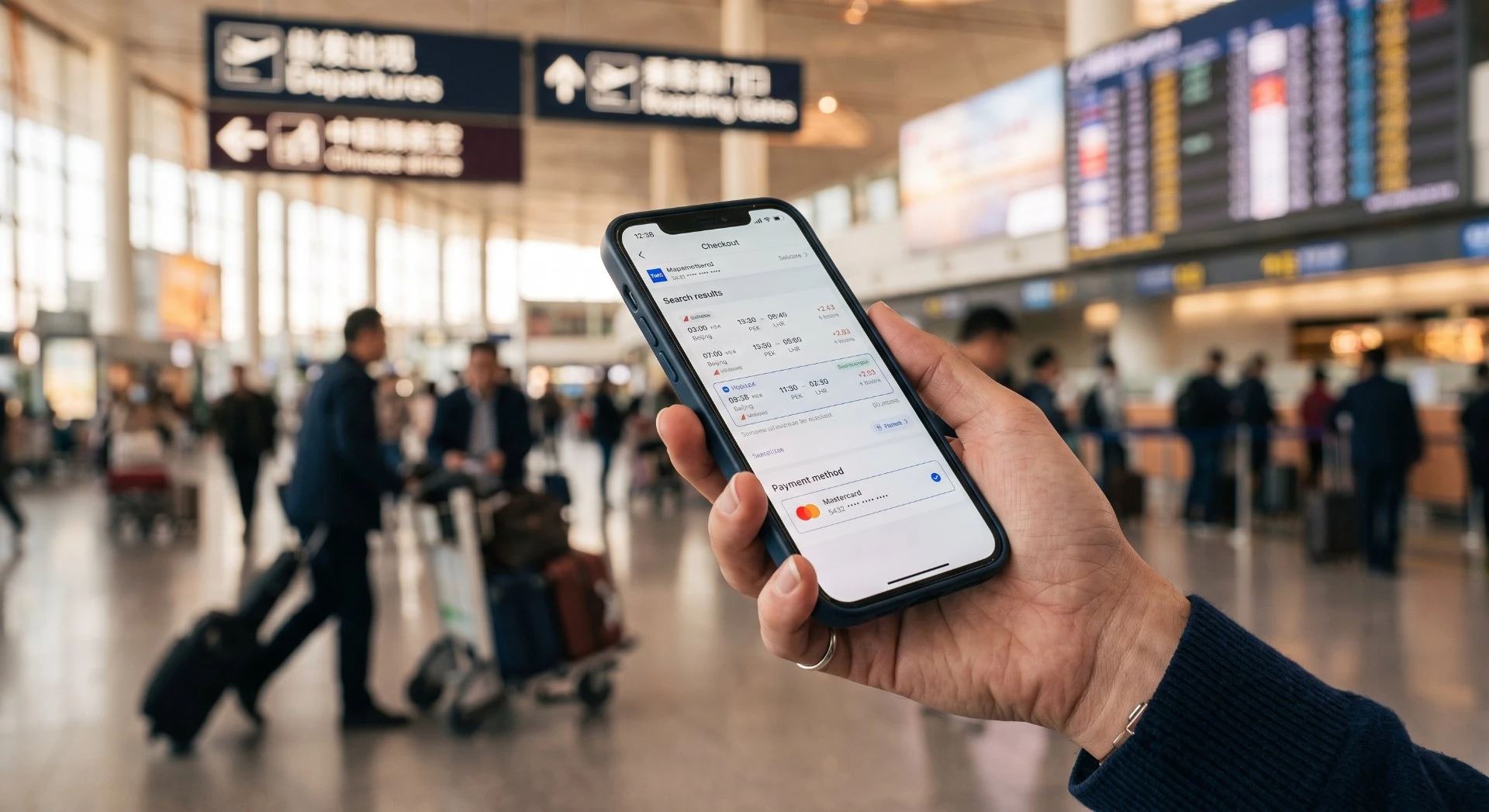
Before you pay, sort the rest of your trip付款之前,先把行程其他部分安排好
Payment is one of three things every first-time visitor must line up before flying. Tap the card that applies to you:支付是每位首次访客出发前必须搞定的三件事之一。点击适合你的卡片:
Visa & visa-free entry签证与免签入境
Check if you need a visa, transit permit, or qualify for the 240-hour visa-free policy.查看是否需要签证、过境许可,或是否符合 240 小时免签政策。
Money金钱Payments (this guide)支付(本指南)
Set up Alipay & WeChat Pay with your card — covered in detail below.用你的卡设置支付宝和微信支付——下文详述。
Connectivity联网eSIM, SIM or roamingeSIM、SIM 卡或漫游
Stay online on arrival — compare eSIM, local SIM and roaming to pick the cheapest.落地即联网——对比 eSIM、本地 SIM 与漫游,选最省钱的方案。
2Set up Alipay with a foreign card — the short version用外国卡设置支付宝——快速版
Two apps cover almost every payment in China: Alipay and WeChat Pay. Linking a foreign Visa, Mastercard, JCB or Amex takes ten minutes and one verification step. The full step-by-step walkthrough, including the fixes when verification fails, is in the dedicated Alipay setup guide支付宝绑卡专篇. 中国的支付几乎由两个应用覆盖:支付宝和微信支付。绑定外国 Visa、万事达、JCB 或美国运通卡,大约需要十分钟和一次验证。完整的分步教程(含验证失败时的解决办法)见
3WeChat Pay: the backup wallet — the short version微信支付:备用钱包——快速版
Use WeChat Pay when a shop takes WeChat but not Alipay — the rule of thumb, not the exception. Same card-linking rules, same 3%% foreign-card fee. When it beats Alipay, its limits, and account setup are covered in the dedicated WeChat Pay guide微信支付专篇. 当商家只收微信不收支付宝时用微信支付——这是常态而非例外。绑卡规则相同,外卡手续费同为 3%%。微信何时优于支付宝、它的限制与账户设置,见
4Fees & the 3% foreign-card rule手续费与 3% 外卡规则
Paying with a foreign card inside Alipay or WeChat Pay is convenient, but it isn't free. Here is the fee picture most visitors miss:用外国卡在支付宝或微信支付内付款很方便,但并非免费。以下是多数访客忽略的收费情况:
| Method方式 | Fee手续费 | When it makes sense适用场景 |
|---|---|---|
| Alipay / WeChat + foreign card支付宝 / 微信 + 外卡 | ~3% service fee约 3% 服务费 | Daily spending, taxis, small shops日常消费、出租车、小店 |
| Foreign card at hotel / big store外卡在酒店 / 大商店 | Issuer FX + possible DCC发卡行汇率 + 可能动态货币转换 | 大额账单Large bills |
| ATM withdrawal (foreign card)ATM 取现(外卡) | Local ATM + your bank's fee本地 ATM + 你的银行手续费 | Cash buffer top-up补充现金备付 |
| Cash (already exchanged)现金(已兑换) | Exchange spread only仅汇兑差价 | Tiny vendors, donations迷你小贩、功德 |
Two rules of thumb:两条经验法则:
- The ~3% app fee is normal.约 3% 的 App 手续费属正常。It's comparable to exchanging cash at a bank counter, so don't panic — just know it's there. For a ¥100 meal you pay roughly ¥103.与在银行柜台换汇相当,所以不必惊慌——只是心里有数。¥100 的餐费你大约付 ¥103。
- Decline dynamic currency conversion (DCC).拒绝动态货币转换(DCC)。When a terminal asks to charge in your home currency, say no — it's almost always a worse rate than letting your card do the conversion.当终端询问是否以本币扣款时,选否——其汇率几乎总是差于让发卡行转换。
There is no separate "¥200 free line" for foreign cards in 2026 — that threshold applies to domestic RMB transactions. Foreign-card spending settles in your card's currency with the ~3% fee on top. Budget for it the way you'd budget for any card abroad.2026 年外国卡并没有单独的「¥200 免手续线」——该门槛适用于境内人民币交易。外卡消费以你的卡币种结算,叠加约 3% 手续费。把它当作海外用卡的正常成本来预算即可。
5Do you still need cash? + tax refund还需要现金吗?+ 退税
Short answer: yes, a little. You don't need a suitcase of cash, but a modest buffer smooths the edges.简短答案:要,一点点。你不需要一箱子现金,但适量备付能让行程更顺。
Bring or withdraw about ¥300-500 in small notes. Use it for temple donations, rural roadside stalls, the occasional older taxi, and as a fallback if your phone dies or an app flags your card. Withdraw RMB from any major bank ATM with your foreign card (see the fee table above).携带或支取约 ¥300-500 的小额钞票。用于寺庙功德、乡村路边摊、偶尔的老旧出租车,以及手机没电或 App 拦截卡片时的应急。用外国卡在任一主要银行 ATM 取人民币(见上表)。
Tax refund for visitors游客退税
Non-resident visitors can claim a VAT refund on eligible shopping. The essentials:非居民访客可对符合条件的购物申请增值税退税。要点:
- Shop at tax-refund stores.在退税店购物。Look for the "Tax Refund" (退税) sign; ask the staff for a refund form when you pay.认准「退税」标识;付款时向店员索取退税单。
- Meet the minimum.达到起退额。Typically ¥500+ on eligible goods in one store on the same day.通常为同一天在同一店符合条件的商品满 ¥500+。
- Scan at the airport.在机场核验。Before departure, take the form to the Tax Refund counter at the airport; the standard rate is about 11% after a 2% service fee.离境前将退税单带到机场退税柜台核验;标准税率为扣除 2% 手续费后约 11%。
Refunds go to your card or are paid in cash at the counter depending on the airport. Keep receipts until you're through customs.视机场不同,退款退回你的卡或以现金在柜台支付。在通过海关前请保留收据。
6Common scenarios & scam prevention常见场景与防骗
China is generally safe from violent crime, but payment scams targeting tourists are real. Know these five and you'll be fine:中国总体上免于暴力犯罪,但针对游客的支付骗局确实存在。认识以下五种即可安心:
- QR-code tampering.二维码篡改。Scammers paste their own QR sticker over a legitimate merchant code. Always confirm the amount on your screen and that the merchant's name matches before you authorize. At parking meters and roadside vendors, scan the code the staff points to, not a random sticker.骗子把自己的二维码贴纸盖在正规商家码上。授权前务必在屏幕上确认金额且商家名称一致。地磁停车和路边摊贩处,扫描工作人员指向的码,而非随机贴纸。
- Duplicate charges.重复扣款。A flaky connection can make a payment look failed while it actually went through. Check your Alipay/WeChat transaction list before tapping "pay again".网络不稳可能让一笔付款看似失败,实际已扣款。再次点击「付款」前,先查看支付宝/微信的交易记录。
- Fake "customer service".假冒「客服」。No real agent will ask for your password, SMS code or to "verify" by transferring money. Block and ignore.没有真客服会索要密码、短信验证码或让你「转账验证」。拉黑并忽略。
- Overcharging tourists.对游客抬价。In some tourist traps a menu price differs from what's charged. Snap a photo of the menu and confirm the total aloud before paying.某些旅游陷阱的菜单价与实际收费不同。付款前拍下菜单并大声确认总额。
- Public Wi-Fi skimming.公共 Wi-Fi 窃取。Avoid entering card details on open networks; use your mobile data or an eSIM for anything sensitive.勿在开放网络输入卡片信息;敏感操作请用移动数据或 eSIM。
If something looks wrong, pause. Chinese merchants are used to foreigners double-checking — a quick "duōshǎo qián?" (how much?) rarely offends and often saves you money.若觉得不对,先停一下。中国商家已习惯外国人反复确认——一句「多少钱?」通常不会冒犯,反而常帮你省钱。
7How to Pay in China 2026: FAQ2026 中国支付指南:常见问题
Yes, in large hotels, international-chain stores, department stores and most ATMs. Foreign cards are accepted far more widely than before thanks to the PBOC's 2023+ push, but small restaurants, taxis, markets and street vendors are still QR-code only. Carry Alipay/WeChat Pay as your daily wallet and one physical card as backup.可以,在大型酒店、国际连锁店、百货商场和多数 ATM 可用。得益于中国人民银行 2023 年后的推动,外卡受理比以往广得多,但小餐馆、出租车、菜市场和路边摊仍只收二维码。日常用支付宝/微信支付,再带一张实体卡备用。
When you bind a Visa, Mastercard, AmEx or JCB card to Alipay or WeChat Pay, a ~3% service fee is added at checkout for most transactions. Converting the same amount at a bank counter is also roughly 3%, so the apps are still the convenient default for everyday spending.将 Visa、万事达、运通或 JCB 卡绑定到支付宝或微信支付后,多数交易结账时会加收约 3% 服务费。在银行柜台换同等金额也大约是 3%,所以这两款 App 仍是日常消费最方便的首选。
Bring a small cash buffer (about ¥300-500) for tiny rural shops, temple donations, street snacks and as a fallback if your phone dies. You can withdraw RMB from ATMs with your foreign card. You do not need to arrive with a suitcase of cash.备一点现金(约 ¥300-500)用于偏远小店、寺庙功德、街头小吃,以及手机没电时应急。可用外国卡在 ATM 取人民币。无需带一箱子现金抵达。
Yes. Non-resident visitors can claim a VAT refund (typically 11% after a 2% service fee) on eligible goods of ¥500+ bought at tax-refund stores. Ask the store for a refund form, and scan it at the Tax Refund counter at the departure airport before you leave.可以。非居民访客可对在退税店购买、满 ¥500+ 的符合条件商品申请增值税退税(扣除 2% 手续费后通常约 11%)。向商店索取退税单,并在离境前于出发机场退税柜台核验。

Sources & notes来源与说明
This guide summarizes publicly available policies and our own on-the-ground testing as of August 2026. Rules and fees change — verify with the app or your card issuer before relying on a specific rate.本指南汇总了截至 2026 年 8 月的公开政策与我们的实地测试。规则与费用会变——依赖具体费率前请向 App 或发卡行核实。
- People's Bank of China — official regulations中国人民银行 — 官方规章 — foreign-card acceptance and payment-market policy.— 外卡受理与支付市场政策。
- Alipay支付宝 — foreign-card binding and Tour Pass terms.— 外卡绑定与 Tour Pass 条款。
- WeChat Pay微信支付 — wallet setup and fee schedule.— 钱包设置与费率表。
- General Administration of Customs — tax refund海关总署 — 退税 — departure tax-refund procedure for visitors.— 游客离境退税流程。