

ATMs and Cash in China 2026: How Foreigners Get Yuan2026 在中国用 ATM 和现金:外国人怎么取人民币
5 Key Takeaways5 个关键要点
- Carry a 500 to 1,000 yuan backup. In big cities, most of the rest goes through Alipay and WeChat Pay.身上带 500 到 1,000 元零钱。在大城市,其余几乎都走支付宝和微信支付。
- Use Bank of China, ICBC or China Construction Bank ATMs. Look for the Visa, Mastercard or Maestro logo. CCB does not accept American Express.到中国银行、工商银行或建设银行的 ATM 取款。看机器上是否有 Visa、Mastercard、Maestro 标志。建行不接受美国运通。
- CCB's own foreign-card limits: two withdrawals per day, 1,000 yuan per withdrawal, 4 to 6 digit PIN. Read the screen on other banks, caps differ by machine.建行自己公布的境外卡限额:每天最多两笔、单笔最高 1,000 元、PIN 4 到 6 位。其他银行按屏幕显示为准,机器之间也可能不同。
- Always choose CNY at the prompt. Never your home currency. Withdraw fewer and larger amounts instead of many small ones.结账货币永远选人民币,永远不要选本币。少取几笔、每笔取大额,不要拆成很多小笔。
- Tell your bank you are travelling to China before you leave. A fraud-blocked card at midnight is the most expensive lesson of the trip.出发前告诉发卡行你将去中国。半夜被反欺诈锁卡,是这次旅行里最贵的一课。
1 How much cash you actually need 到底要带多少现金
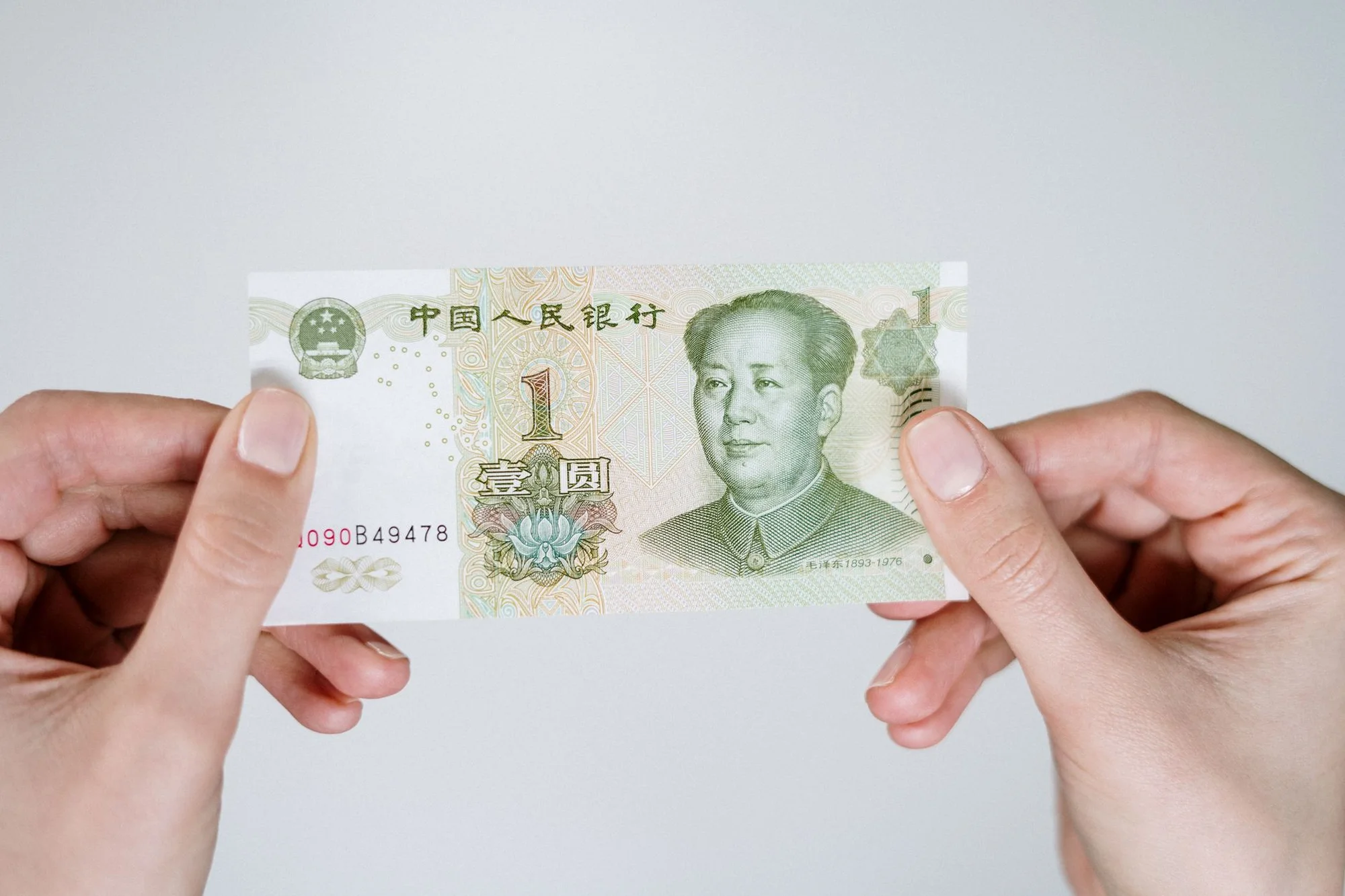
In the big cities most visitors barely touch cash because scanning to pay covers nearly everything. Carry a few hundred yuan in notes anyway. A common suggested backup is 500 to 1,000 yuan, enough to pay a taxi, a street meal, a water bottle and a small souvenir without thinking about it.在大城市里,多数游客几乎用不到现金,因为扫码支付几乎覆盖一切场景。但身上还是带几百块现金。常见的建议是 500 到 1,000 元,够你随手打个车、买份街头小吃、买瓶水、买个小纪念品,不用再为这点事动脑筋。
Cash still matters at the edges. Street stalls and wet markets, rural areas and small towns where mobile payment coverage is thinner, the occasional older taxi driver who does not use the app, and any moment when the phone is dead or the app glitches. Our China payment guide中国支付指南 covers the day-to-day in detail, and the China travel budget guide中国旅行预算指南 works out how much to set aside for a one-week trip.现金在边角场景里仍然管用:街边摊和菜市场、扫码覆盖较薄弱的乡村和小城、个别不用 App 的老司机,以及手机没电或 App 卡壳的时候。我们的「中国支付指南」细讲了日常情况,「中国旅行预算指南」则把一周旅行要备多少现金算得清清楚楚。

2 Which ATMs take foreign cards 哪些 ATM 收境外卡
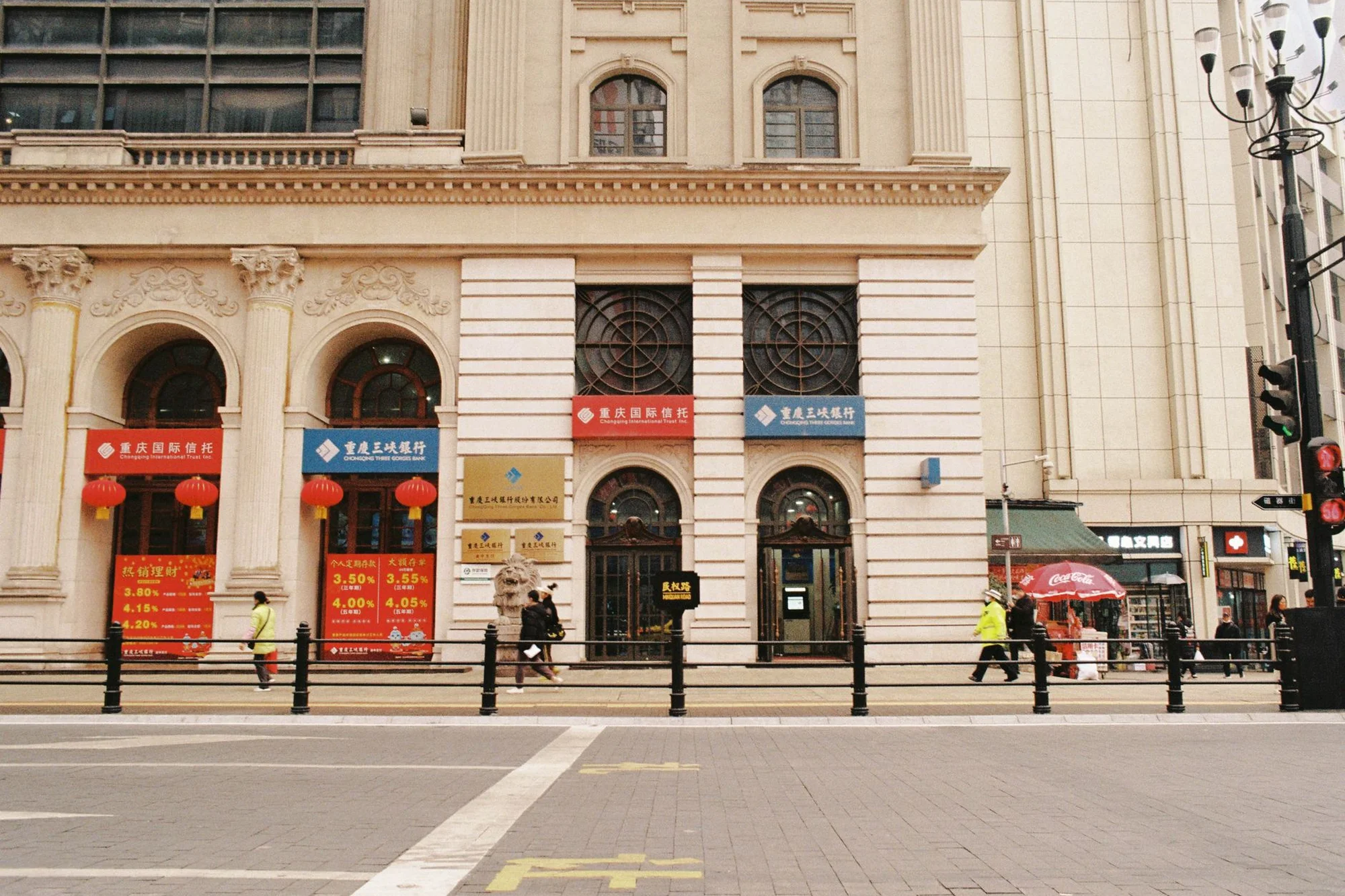
Three big state-owned banks are reliable for foreign cards: Bank of China (the most consistent for foreigners, with an English interface), ICBC (the largest network) and China Construction Bank. Look for the Visa, Mastercard or Maestro logo on the machine. A UnionPay logo on its own does not guarantee your card will work, since overseas-issued UnionPay cards are a separate case from domestic ones.三大国有银行对境外卡最稳:中国银行(对外国人最稳,带英文界面)、工商银行(网点最多)、建设银行。看机器上有没有 Visa、Mastercard、Maestro 标志。光看银联标志并不能保证你的卡能用,境外发行的银联卡和境内银联卡走的是两条不同的路。
CCB publishes the clearest foreign-card rules in the country. Its ATMs accept VISA, PLUS, Visa Electron, Mastercard, Cirrus and Maestro, and JCB and Diners Club cards carrying those marks. Discover and overseas-issued UnionPay cards are routed through the UnionPay system. American Express is not accepted on CCB ATMs. The PIN must be 4 to 6 digits, digits only. CCB's own published foreign-card limits are tight: cash withdrawal and balance enquiry only, a maximum of two withdrawals per day, and 1,000 yuan per withdrawal. Other banks publish different caps, and caps can differ by machine, so read the screen before you confirm.建行公布的境外卡规则在国内最清楚:它的 ATM 接受 VISA、PLUS、Visa Electron、Mastercard、Cirrus 和 Maestro,带这些标志的 JCB 和 Diners Club 也可。Discover 和境外发行的银联卡走银联通道。建行 ATM 不接受美国运通。PIN 必须 4 到 6 位、纯数字。建行自己公布的境外卡限额很紧:只支持取现和查询余额,每天最多两笔,单笔最高 1,000 元。其他银行公布的限额不同,而且不同机器可能不一样,确认前先看清屏幕。
- Reliable for foreign cards.对境外卡最稳的银行。 Bank of China, ICBC, China Construction Bank.
- Look for the logo.看标志。 Visa, Mastercard or Maestro on the machine. UnionPay alone is not enough.
- Avoid.避开。 American Express on CCB ATMs is not supported. Small regional banks are inconsistent.
3 What it costs and how to pay less 取款费用,怎么花得少
ATMs charge foreign cards in two layers, and you pay both. The Chinese side is a flat fee per withdrawal, commonly reported around 15 to 30 yuan, set by the bank that owns the machine. Your own bank then adds its own fee, often a flat charge plus a percentage of the amount. Both layers show up on the screen before you confirm, so look at the total, not just the yuan amount.境外卡取现的费用是两层叠的,两层都要付。境内银行那一层是按笔收的固定手续费,常见在 15 到 30 元之间,由机器所属的银行定。你自己的发卡行再叠一层,通常是固定费加按比例的百分数。两层都会在确认前显示在屏幕上,看总额,不看人民币面值。
Note that CCB states for foreign cards its own ATMs charge nothing directly and any fee is set by the card issuer. Always check with your own bank before you leave, because the foreign-bank layer is where the surprise usually lives. The two bank fees combined can turn a 1,000-yuan withdrawal into a 20-dollar outlay. That is the cost, and it is real.建行自己说明:境外卡在它的 ATM 上建行不直接收任何费用,所有费用由发卡行定。出发前一定要问自己发卡行,因为「惊喜」通常来自境外银行那一层。两层加在一起,一笔 1,000 元的取款可能最终要花到 20 美元。这就是成本,而且是真的。
Because the fee is mostly fixed per withdrawal, fewer and larger withdrawals cost less than many small ones. Two withdrawals of the daily maximum cost less than four withdrawals of half that. The machine will let you take out smaller amounts, but the math favours batching.因为手续费大部分是按笔收取的,所以少取几笔、取大额,比多取几笔、取小笔更划算。两笔当日最高额,比四笔半额更便宜。机器允许你取小金额,但账单上算下来是「凑笔」更划算。
4 The two decisions that cost people money 两个真正会让人多花钱的决定
Most foreign-card ATM mistakes in China are not about which bank, which machine or which PIN. They are about two screens. Both have a default, and the default usually costs you.境外卡在中国 ATM 上踩坑,多数不是选错银行、选错机器、输错 PIN。问题出在两个屏幕上。两个屏幕都有默认值,而默认值通常让你多花钱。
First, when the machine asks which currency to charge, always choose yuan (CNY). Choosing your home currency triggers dynamic currency conversion, and the rate on offer is always worse than what your own bank would give. The screen usually says your home currency first because that is the option the machine operator prefers. Override it. Choose CNY.第一,机器问以哪种货币结算时,永远选人民币(CNY)。选了本币就触发了「动态货币转换」,屏幕上给的本币换算汇率永远比你发卡行的汇率差。屏幕上通常把本币放第一项,因为那是机器运营方希望你选的。手动改成人民币。
Second, withdraw fewer and larger amounts. The flat fee per withdrawal is the same whether you take 200 yuan or 1,000 yuan, so ten small withdrawals cost roughly ten times what one large withdrawal does. Plan the cash you need for the week, then take it out in the biggest batches the machine and your bank allow.第二,少取几笔、每笔取大额。每笔固定手续费不管你取 200 还是 1,000 元都一样,所以十笔小额差不多是一次大额的十倍。把一周需要的现金算好,按你和银行允许的最大额度分批取出来。
- Always choose CNY.永远选人民币。 Never accept the home-currency conversion. Your own bank will give the better rate.
- Withdraw in big batches.大笔分批取。 Two withdrawals of the daily maximum cost less than four withdrawals of half that.
- Read the screen.看清屏幕。 Both layers of fees show before you confirm. The total on screen is the real cost.
5 Where to find a machine that works 在哪里找到能用的 ATM
Bank branches are the most reliable spot, because the staff on the floor can fix a stuck card or a rejected PIN on the spot. Hotel lobbies often have a machine at the front desk, usually a Bank of China or ICBC unit. Shopping malls, airports and train stations all have ATMs, though airport machines have the worst rates and the highest fees.银行网点是最稳的地方,因为现场工作人员能立刻处理吞卡、PIN 报错这类问题。酒店大堂通常在前台有一台机器,多半是中国银行或工商银行的。商场、机场、火车站都有 ATM,不过机场机器汇率最差、费用最高。
Small regional banks are inconsistent, and outside major cities there may be very few machines that take foreign cards. The right habit is to top up before you leave a big city for a small town, a national park or a rural stretch. Running out of cash in a town with no compatible ATM is a real first-world problem with a real fix: withdraw more, earlier.地方小银行的兼容性差;出了大城市,能用境外卡的机器会非常少。正确的习惯是:离开一座大城市、进入小镇、景区或乡村之前,先把现金补足。在一个没有兼容 ATM 的小城把钱用光,是「第一世界问题」,但解决起来很实在:早点多取。
Airport exchange counters give the worst rate and are fine only for a small amount on arrival. Bank branches give better rates for larger amounts. Avoid unofficial money changers entirely. The rate on offer looks generous, the counting looks honest, and the bill you get is short. The math never works for you.机场兑换柜台的汇率最差,只适合刚落地换一点点应急。银行网点的汇率更好,适合换较大金额。完全没有正规牌照的兑换点不要碰:标价看似慷慨、点数看着公道、但拿到的钱总是少一截。算下来永远不会占便宜。
The most important pre-trip step here is not on this page. Tell your own bank that you are travelling to China. Cross-border ATM attempts sometimes trip fraud blocks, and a blocked card at midnight in a strange city is a hard way to learn that you forgot to send the email.这一节里最重要的一步其实不在本页:出发前先告诉你自己的发卡行你要去中国。境外取款有时会触发反欺诈拦截;在陌生城市的半夜被锁卡,是「忘记发邮件」的昂贵代价。
6 When the machine eats your card ATM 吞卡怎么办
It happens. The card is in, the screen asks a question you answered too slowly, the timeout kicks in, and the machine keeps the card. The first move is to stay at the machine and look for the bank's 24-hour service phone number printed on the front. For CCB the number is 95533. Call it, follow the prompts, and the bank will tell you the nearest branch that holds the kept cards.这种事真会发生。卡插进去,屏幕弹一个问题,你答得稍微慢一点,机器超时,把卡吞了。第一步是别离开机器,看机器正面印的 24 小时客服电话。建行的电话是 95533。打过去,按提示走,客服会告诉你最近哪家网点保存了被吞的卡。
If you are inside a branch, the fastest path is the service counter with your passport. Most kept cards are held for a working week, sometimes longer. A passport in hand turns the question from a theft investigation into a routine retrieval, and you walk out with the same card.如果你就在银行网点里,最快的办法是带上护照去柜台。被吞的卡通常会保存一个工作周,有时更长。手里有护照,整个事情就从「反盗调查」变成「常规领取」,你拿着同一张卡走出来。
If the machine is on a street and not inside a branch, write down the machine ID printed on the front, the bank's name, the address of the nearest branch, and call the number. The bank can usually tell you which branch holds cards for that specific machine. Do not trust a stranger who walks up and offers to call the bank for you. The stranger is not the help you need.如果机器在街上、不在网点里,记下机器正面印的机器编号、银行名、最近网点地址、再打客服电话。银行一般能告诉你这台机器的卡被存到了哪个网点。不要轻信凑上来帮你打客服电话的陌生人,那不是你要的帮助。
Two habits reduce the chance of a stuck card. First, use machines inside bank branches during business hours, not street machines late at night. Second, read the screen before you press anything. A timeout usually means the machine is waiting for a confirmation, and a confirmation takes one button.两个习惯能降低卡被吞的概率。第一,营业时间在网点内的机器取款,不要深夜在街边的机器上操作。第二,按任何键之前先看清屏幕。超时通常意味着机器在等你确认,确认就是按一个键的事。
7 Cash etiquette and tipping pointer 现金礼仪和小费提示
China is largely cashless for everyday purchases, so the etiquette around physical money is small but worth knowing. Pay the exact amount when you can. If you cannot, expect the change to come back in small notes and coins, not a balanced mix of bills. Keep a pocket for the 1-yuan and 5-jiao coins, because they are useful at convenience stores, on bus fares and as tips for hotel housekeeping.中国日常消费基本无现金化,所以关于实体钱币的礼仪不多,但有几点值得知道。能付整数时付整数;找零回来时通常以小面额纸币和硬币为主,不会特意配齐各种面值。留一个口袋放 1 元硬币和 5 角硬币,便利店、公交、给酒店保洁留小费都用得上。
Counterfeit notes are rare at bank ATMs and real shops, but a quick feel of the note is normal in China. If a shopkeeper holds a note up to the light or runs a thumb across it, that is not an insult. That is just what people do. Use ATMs inside bank branches for the cleanest, newest notes.假币在银行 ATM 和正规商店里很少见,但中国有「摸一下钱」的普遍习惯。如果店主把纸币举到光线下、用拇指压一下,别误会,,这只是大家日常的做法。想在银行网点内的 ATM 取款,纸币最干净、最新。
Tipping is not part of the local culture. Restaurants, taxi drivers, hotel staff and tour guides do not expect a tip, and some will politely refuse one. Our China tipping guide中国小费指南 covers when a tip is welcome, when it is not, and the small handful of situations where a folded bill is the right gesture.小费不是中国本地文化的一部分。餐厅、出租车司机、酒店员工、导游都不期待小费,有的会客气地推掉。我们的「中国小费指南」讲清什么时候给是贴心的、什么时候给是画蛇添足,以及少数几处把纸币折一下递过去才合情合理的场合。
Carry a small cash float and forget about it. Pull it out for the situations the apps cannot cover: the cash-only dumpling counter at the back of the wet market, the taxi that does not take apps, the small-town bus that has no QR code. Everything else goes through Alipay, WeChat Pay or the bank card the apps are linked to. Our China payment guide中国支付指南 explains how to set those up before you fly.身上留一小笔现金当零钱,然后忘掉它。专门用在 App 覆盖不到的地方:菜市场深处只收现金的饺子铺、不接 App 的出租车、没有二维码的小镇公交。其余一切走支付宝、微信支付,或绑在这些 App 上的那张银行卡。我们的「中国支付指南」讲了出发前怎么把它们装好。
Frequently asked questions常见问题
Not at any ATM. Bank of China, ICBC and China Construction Bank are the most reliable for foreign cards, and you should look for the Visa, Mastercard or Maestro logo on the machine. A UnionPay logo alone does not guarantee your overseas-issued card will work. CCB does not accept American Express.不是所有 ATM 都能。中国银行、工商银行和建设银行对境外卡最稳,看机器上有没有 Visa、Mastercard、Maestro 标志。光看银联标志不能保证你的境外卡能用。建行不接受美国运通。
A common suggested backup is 500 to 1,000 yuan, enough to cover taxis, street meals, water, a small souvenir and a quiet meal if the apps are down. Beyond that, almost everything in a big city takes Alipay or WeChat Pay once the apps are set up.常见的建议是 500 到 1,000 元:够应付打车、街头小吃、瓶装水、小纪念品,以及 App 不灵时的一顿安静的饭。再多就基本是大城市里都能用支付宝或微信支付了,App 装好之后基本不用现金。
CCB publishes a maximum of two withdrawals per day, and 1,000 yuan per withdrawal. The PIN must be 4 to 6 digits, digits only. Other banks publish different caps, and caps can differ by machine, so read the screen.建行自己公布:每天最多两笔,单笔最高 1,000 元。PIN 必须 4 到 6 位、纯数字。其他银行的限额不同,机器之间也可能不一样,按屏幕显示为准。
Not on CCB. CCB publishes that American Express is not accepted on its ATMs, and other state banks have similarly narrow Amex coverage. If your main card is Amex, plan to use a Visa or Mastercard as your cash card, and keep the Amex for hotels that take it directly.建行不行。建行自己公布 ATM 不接受美国运通,其他国有大行对美国运通的覆盖也类似。如果你的主卡是运通,就把 Visa 或 Mastercard 作为取现卡,运通留给直接受理它的酒店。
That is dynamic currency conversion. The screen offers your home currency because the machine operator earns a margin on the conversion, and the rate is always worse than the rate your own bank would give. Always choose CNY. Your own bank will handle the conversion at a better rate and post the cost on your statement.那是「动态货币转换」。屏幕把本币放前面是因为机器运营方在汇率差上赚一截,这个汇率永远比你发卡行给的差。永远选人民币。你自己的发卡行会按更优的汇率换算,并把费用记在账单上。
Two moves help. First, withdraw fewer and larger amounts: the flat fee per withdrawal is the same whether you take 200 or 1,000 yuan, so batching saves real money. Second, always choose CNY to avoid the dynamic-currency conversion markup. There is no way to avoid the layered fees entirely, but those two habits cut the total noticeably.两件事有用。第一,少取几笔、每笔取大额:每笔固定手续费不管取 200 还是 1,000 元都一样,把笔数压下来就是省钱。第二,永远选人民币,避开动态货币转换的溢价。两层费用躲不掉,但这两个习惯能让总额明显下降。
Stay at the machine and call the bank's 24-hour service number printed on the front. CCB's number is 95533. The bank will tell you the nearest branch that holds kept cards. Bring your passport to the branch. Most kept cards are held for about a working week, sometimes longer. A passport turns the retrieval into a routine counter visit, not a fraud investigation.别离开机器,打机器正面印的 24 小时客服电话。建行的电话是 95533。银行会告诉你最近哪家网点保存了被吞的卡。带上护照去那家网点。被吞的卡通常会保存一个工作周,有时更长。手里有护照,整件事就从反盗调查变成柜台领取。
Inside a bank branch during business hours is the most reliable spot. Hotel lobbies, shopping malls and train stations also have foreign-card machines, but airport machines tend to have the worst rates. Outside big cities, the right habit is to top up before you leave, because compatible machines are thinner the further you go from a tier-one or tier-two city.银行网点内的机器、营业时间里取,是最稳的。酒店大堂、商场、火车站也有能收境外卡的 ATM,不过机场机器的汇率往往最差。出了大城市,越往一线、二线以外走,能用境外卡的机器越少,,出发前补足现金是更稳的习惯。
CCB states that for foreign cards its own ATMs charge nothing directly and any fee is set by the card issuer. The catch is the foreign-bank layer: your own bank will add its own flat fee and possibly a percentage. Always check with your own bank before you leave, because that is where the surprise usually comes from.建行自己说明:境外卡在它的 ATM 上建行不直接收任何费用,所有费用由发卡行定。重点是境外银行那一层:你自己的发卡行会收固定费、可能再加按比例的百分数。出发前问清楚自己的发卡行,因为「惊喜」通常来自那一层。
Yes. Cross-border ATM attempts sometimes trip fraud blocks, and a blocked card at midnight in a strange city is a hard way to learn you forgot the email. Most banks let you set a travel notice in the app or with a one-line phone call. It is free, it takes one minute, and it is the single cheapest way to protect your cash flow on the trip.要。境外取款有时会触发反欺诈拦截;在陌生城市的半夜被锁卡,是「忘记发邮件」的昂贵代价。大多数银行的 App 里就能登记行程通知,或打一分钟电话就能完成。免费,省一分钟,却是这次旅行里最便宜的一道「现金流保险」。
Airport exchange counters give the worst rate, and they are fine only for a small amount on arrival. Bank branches give better rates for larger amounts. Avoid unofficial money changers entirely: the rate looks generous, the counting looks honest, and the bill you get is short. The math never works for you.机场兑换柜台的汇率最差,只适合刚落地换一点点应急。银行网点的汇率更好,适合换较大金额。完全没有正规牌照的兑换点不要碰:标价看似慷慨、点数看着公道、但拿到的钱总是少一截。算下来永远不会占便宜。
Tipping is not part of local culture. Restaurants, taxi drivers, hotel staff and tour guides do not expect a tip, and some will politely refuse one. There are a few small situations where a folded bill is the right gesture; our China tipping guide covers them in full.小费不是中国本地文化的一部分。餐厅、出租车司机、酒店员工、导游都不期待小费,有的会客气地推掉。有少数几处把纸币折一下递过去是合情理的;详见我们的「中国小费指南」。

Want the offline-first-trip kit?想要离线版首次出行工具包?
The 这份China Travel Essentials 2026China Travel Essentials 2026 kit bundles visa, payments, connectivity, transport, and this guide into one printable checklist you can carry offline, no signal required.工具包把签证、支付、联网、交通和本指南打包成一份可打印清单,可离线携带,无需信号。
Get the guide →获取指南 →Sources & notes来源与说明
This guide links to official and authoritative sources. Rules and prices change, so confirm the current version with the official source before you book.本指南链接官方与权威来源。规定和价格会变,订票前请向官方来源确认现行版本。
- China Construction Bank, Foreign Card ATM Rules中国建设银行境外卡 ATM 规则页The official published limits and accepted card networks for foreign cards on CCB ATMs: VISA, PLUS, Visa Electron, Mastercard, Cirrus, Maestro, JCB and Diners Club (where marked). Discover and overseas-issued UnionPay route through UnionPay. American Express is not accepted. PIN 4 to 6 digits, digits only. Two withdrawals per day, 1,000 yuan per withdrawal.建行官方公布的境外卡受理卡组织和限额:VISA、PLUS、Visa Electron、Mastercard、Cirrus、Maestro、带这些标志的 JCB 和 Diners Club;Discover 和境外银联走银联通道;不接受美国运通。PIN 4 到 6 位、纯数字。每天最多两笔,单笔最高 1,000 元。
- State Administration of Foreign Exchange, Guide for Foreign Visitors (2026 edition)国家外汇管理局《外国商务人士在华工作生活指引(2026 年版)》National-level guidance for foreign visitors and professionals living and working in China, covering banking, currency, and the day-to-day realities of paying in China.面向在华外国访客和工作者的国家级指引,覆盖银行业务、货币以及在华日常支付的实际问题。
- China Trip Plans, How to Pay in China 2026China Trip Plans,「2026 中国支付指南」Step-by-step setup of Alipay and WeChat Pay, the apps that handle the other 95% of payments in a big city.支付宝和微信支付的逐步设置指南,,在大城市里,这两款 App 覆盖了另外约 95% 的支付场景。
- China Trip Plans, China Travel Budget 2026China Trip Plans,「2026 中国旅行预算」How to set a daily cash, card and app budget for a one-week or two-week trip.为一到两周的旅行设置每日现金、银行卡、App 预算的方法。